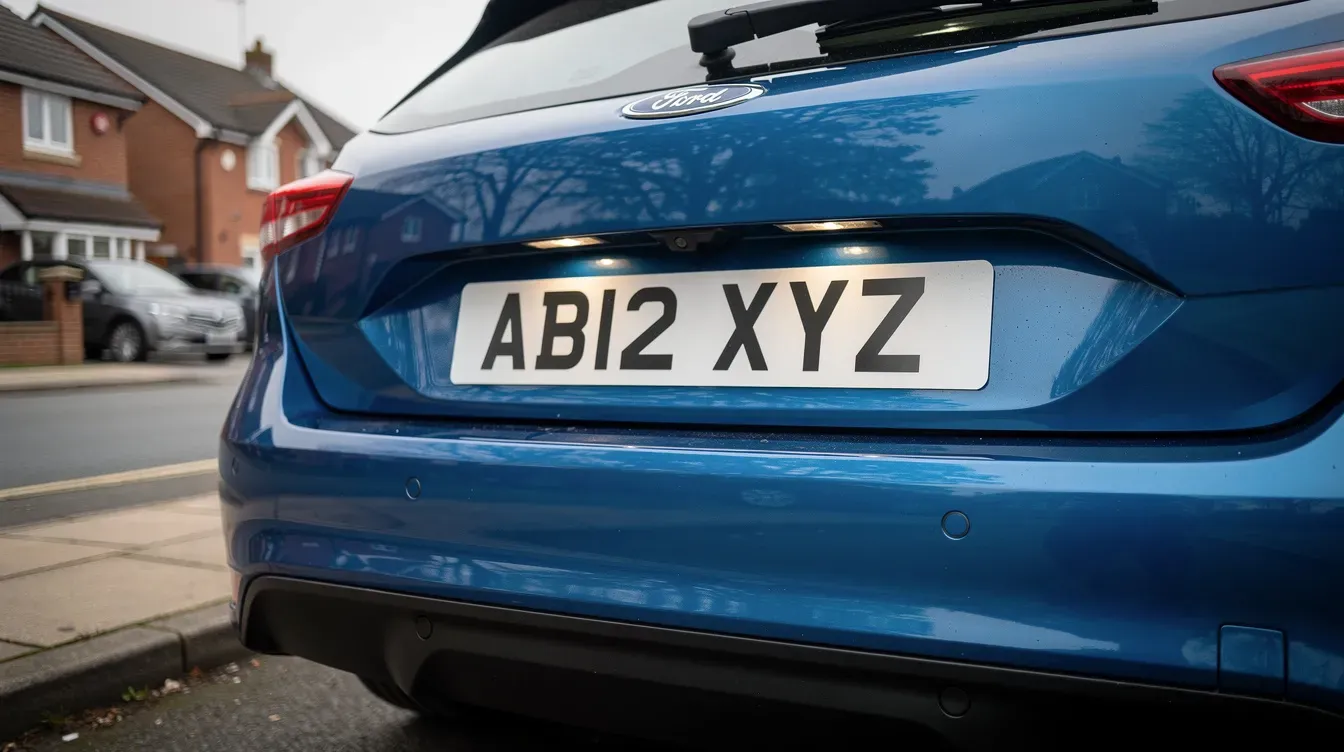
Buying a used car without checking its history is like signing a contract you haven't read. A vehicle plate check gives you the facts in seconds, using nothing more than the registration number on the plates. This guide walks you through exactly how to run one, what the results mean, and how to spot warning signs before you hand over your money.
Key Takeaways
You can run a UK registration number check in seconds using only the number plate - no VIN or logbook required upfront.
A free number plate check reveals core vehicle information including make, model, colour, year of manufacture, MOT history and tax status.
An upgraded registration check can uncover write off status, stolen markers, outstanding finance and suspicious plate changes on any UK vehicle.
Running a number plate check before buying a used car in 2026 is essential to avoid cloned vehicles, hidden damage and unpaid finance.
Checks work for standard plates and private number plates, pulling historic plate changes and vehicle identity data where available.
What Is a Vehicle Plate Check?
A vehicle plate check is a search against a vehicle's registration number that pulls official vehicle information from DVLA, DVSA and licensed third-party data providers. It is sometimes called a UK reg lookup, registration check or car check. Over 40 million vehicles are registered in the UK, and vehicle details can be checked via license plates through government sites or third-party providers.
Running a number plate check is entirely legal in the UK. You simply enter the uk registration number displayed on the front or rear number plates into an online tool, and the system returns the linked record.
A standard plate check typically returns:
Make, model, trim and body type
Colour, fuel type and engine size (cc)
CO₂ emissions and power output (kW)
First registration date and year of manufacture
Current MOT status and tax status
The primary purpose is to confirm vehicle identity - ensuring the car you see in person matches what the database holds. More advanced or deeper checks can reveal previous plate changes, private number plate assignments and hidden issues like outstanding finance or insurance write offs.
How to Run a Number Plate Check Step by Step
You can perform a plate check in under a minute from a phone, tablet or desktop. Here is the basic process:
Locate the registration number on the front or rear number plates of the vehicle.
Enter the number plate into an online vehicle check service. For a number plate check enter the full registration exactly as displayed.
Review the free results that load within seconds, showing basic vehicle information such as make, model, colour, MOT status and tax status.
Upgrade if needed to unlock a full vehicle history report covering finance, write offs, stolen checks and plate change history.
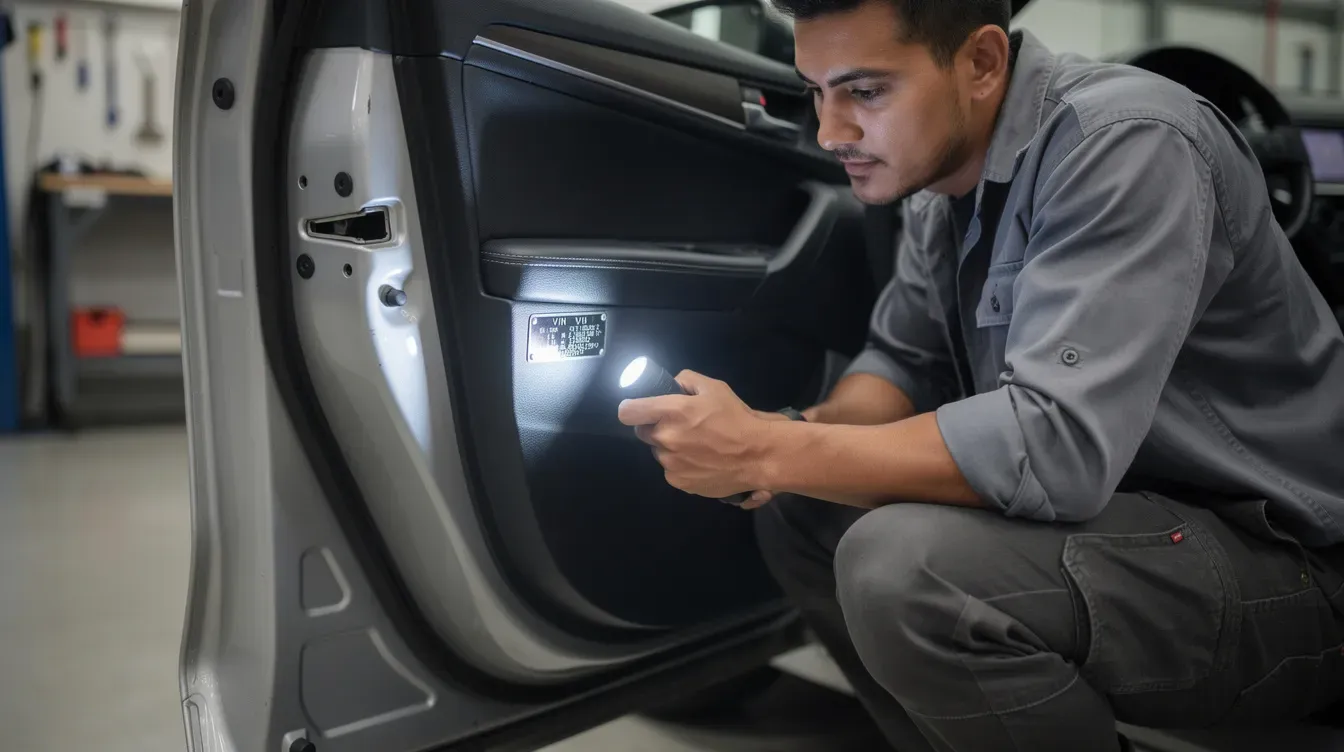
Cross reference the results with the car's V5C logbook, VIN plate on the door pillar or windscreen, engine number and MOT certificate when viewing in person.
This process works for cars, vans, motorbikes and most other UK vehicles. Private plates work the same way - as long as the plate is currently assigned, the system pulls the linked record. Number plate check running takes only moments but can save you thousands.
What Information a UK Number Plate Check Can Reveal
Modern UK vehicle checks combine DVLA vehicle information, DVSA MOT data and third-party registers. The depth of data depends on whether you run a free check or pay for a detailed report.
Free Data Fields
Data Category | Details Included |
|---|---|
Specifications | Make, model, trim, body type, colour, fuel type, transmission, engine size, power (kW) |
Emissions | CO₂ emissions band and figures |
Dates | First registration date, year of manufacture |
MOT history | Pass/fail results since 2005, recorded mileage at each test, advisories, dangerous defects |
Tax & legal | Current tax status including validity and expiry dates, SORN declarations, export or scrapped markers |
Vehicle specifications include make, model, color, engine size, and year of manufacture. A number plate check reveals MOT history and tax status, and a vehicle check shows the current tax status and expiry date. Vehicle tax information includes validity and expiry dates specifically. Vehicle checks can also uncover how many previous keepers a vehicle has had.
Premium Data
Paid reports add:
Write off categories (Cat A, B, S, N) and salvage records
Police stolen markers and whether the vehicle has been reported stolen
Outstanding finance from any finance company
Import/export status
Plate change history and previous registration numbers
Keeper history and number of previous owners
A number plate check can also identify mileage discrepancies by comparing recorded mileage across MOT records over time.
Checking Plate History and Private Number Plates
Many vehicles carry more than one registration number during their lifetime, especially when personalised registrations or private plates have been assigned. A plate change means a different registration number was assigned to that vehicle, and it costs £80 to change a vehicle's number plate in the UK.
A detailed number plate check can show all historical registrations and the dates each was assigned or removed. Reports typically display this as a chronological list of previous registrations, making it straightforward to trace the vehicle's identity over time.
Seeing a private number plate in the history is not usually a red flag. However, frequent plate changes - particularly several swaps within a short period - can indicate attempts to disguise a vehicle's history. These suspicious plate changes warrant closer inspection.
Cross reference plate change history against MOT history dates and mileage records. If there are gaps in the MOT records around the time of a plate change, or if mileage figures don't follow a logical upward trend, treat this as a warning sign.
Why You Should Run a Number Plate Check Before Buying
In 2026, the UK used car market regularly includes vehicles with hidden problems not disclosed in adverts. The used car finance market alone was worth approximately £21.8 billion in 2025, which gives a sense of the financial stakes involved.
Here is why a registration check matters:
Outstanding finance: Roughly one in three used cars has finance still attached. Vehicle history checks can identify outstanding finance on a car. If the seller hasn't cleared the debt, the finance company can legally repossess the vehicle even after you've bought it.
Insurance write offs: A vehicle plate check can reveal if a car has been stolen or written off. Write off categories range from Cat A (must be scrapped, no road return) to Cat N (non-structural damage, repairable). Cat S vehicles typically lose 20–40% of their value compared to clean equivalents.
Mileage tampering: MOT records show the recorded mileage at each test. Decreasing figures or unexplained jumps signal potential clocking.
Theft: More than 54,000 vehicles were reported stolen in the UK in 2025. Stolen markers in a report are a clear signal to walk away and contact police.
Treat major red flags - unresolved finance, stolen markers, serious plate anomalies or repeated MOT failures - as reasons to abandon the purchase entirely.

Free vs Paid Vehicle Registration Checks
Understanding the difference between a free car check and a paid vehicle history check helps you decide how much due diligence a particular purchase warrants.
Free Check | Paid Report | |
|---|---|---|
Source | DVLA / DVSA via official tools | Licensed third-party providers |
Cost | £0 | Typically £5–£20 |
Key information | Make, model, colour, fuel type, engine size, MOT history, tax status, emissions | All free data plus finance, write off status, stolen checks, keeper history, plate history, valuation |
Best for | Initial research, filtering shortlists | Final due diligence before purchase |
Official DVLA tools allow free checks of UK vehicle tax and MOT status. In the UK, DVLA offers free online services for vehicle information, making it easy to get basic vehicle information at no cost. A free number plate check is sufficient for simply verifying basic claims in an advert - for example, confirming the car is taxed, the MOT is current, or the colour matches what's advertised.
However, a free check does not access finance registers, insurance write off databases or police theft records. For any purchase of meaningful value, a paid instant report is low-cost insurance compared to the potential thousands lost on a problem vehicle.
How Plate Checks Help Confirm Vehicle Identity
Cloned number plates are a growing issue on UK roads. There are over 34,000 number plate suppliers in the UK, many operating with minimal oversight, and estimates suggest a significant proportion of vehicles may display false or cloned plates.
A legitimate plate check should return vehicle details - make, model, colour, body style and door count - that exactly match the car you see physically. Identifying cloned vehicles involves comparing registration details with physical characteristics. Any mismatch is a serious red flag.
To verify vehicle identity:
Check that the make, model and colour in the report match the car in front of you.
Locate the vin number on the windscreen lower edge, door pillar or chassis. Compare it to the VIN on the V5C logbook and, where available, in the report.
Check the engine number stamped on the engine block against what's recorded in the car's details.
Confirm the registration date and key details align with what the seller claims.
Verifying vehicle information helps prevent purchasing stolen or cloned cars. If you find serious discrepancies, walk away immediately and report the situation to police.
Common Red Flags a Number Plate Check Can Reveal
When running a number plate check on a used car, certain results should immediately raise your guard. Here are the most common issues to spot warning signs for:
Outstanding finance: If the report shows current finance, do not complete the purchase until the seller provides a finance clearance letter from the lender. Without this, the car can be repossessed regardless of your good faith.
Write off markers: Insurance write off categories (Cat S or N) indicate past damage. Cat A and B vehicles cannot legally return to UK roads. Always request detailed repair receipts for Cat S or N vehicles.
Suspicious plate changes: Several registration swaps within a few years, missing MOT history between plate changes, or inconsistent mileage records across previous registrations are all unusual patterns that warrant deeper checks.
Mileage anomalies: MOT mot records that show mileage decreasing over time, or very low mileage jumps across many years, can signal odometer tampering. Cross reference the recorded mileage at each MOT against the seller's information about how the car was used.
Stolen markers: If a vehicle appears as reported stolen on police databases, do not proceed under any circumstances.
Specification mismatches: If the report says the car is a five-door hatchback but you're looking at a three-door coupe, or the fuel type doesn't match, the vehicle may have been identity-swapped.
A new car depreciates in value, but a hidden write off or outstanding finance can wipe out your investment entirely. Always check before you buy.
Frequently Asked Questions
Is a number plate check really free?
Many services offer a free number plate check that includes essential DVLA vehicle information, MOT history and tax status for any uk number plate. This free check covers basic vehicle information such as make, model, colour, registration details, emissions and mot status.
More detailed data - such as outstanding finance, write off status, full plate change history or keeper history - usually requires a paid upgrade to a premium full report. Number plate checks comply with UK data protection legislation, so the data you receive is handled responsibly.
Always start with a free registration check, then decide if a deeper paid report is worthwhile based on the vehicle's price and risk level. For context, in the US, services like AutoCheck provide similar vehicle reports using license plates, but the UK system centres on DVLA and DVSA data.
Do I need the VIN as well as the registration number?
To generate an online vehicle report you normally only need the vehicle's registration number. The system automatically pulls the linked vehicle record, so there's no need to request information beyond the reg.
However, collecting the vin number from the vehicle itself and the V5C document is strongly recommended. Check that it matches the VIN reported in the vehicle information where this is provided. Matching VIN, registration number and logbook details are vital for confirming the true vehicle identity before handing over money.
Can I use a plate check on a private number plate?
Number plate checks work for private plates in the same way as standard new registrations, as long as the plate is correctly assigned to a UK vehicle. The system recognises all currently assigned registrations.
Comprehensive checks may show previous underlying registrations and the dates when the private number plate was assigned or removed. This is useful for tracing previous registration numbers and ensuring the vehicle history and the plate history are both clean.
Will running a registration check alert the owner or affect the vehicle?
A number plate check is completely anonymous and does not affect records. It does not notify the current registered keeper and does not alter any DVLA records. Privacy regulations restrict access to the vehicle owner's personal details, and no personal information about the registered keeper is disclosed in standard online checks due to UK data protection and DVLA privacy rules.
You can run as many checks as you like when shortlisting used cars online without impacting the vehicles in any way. Whether you are a private buyer or a trader, a number plate check affect on the vehicle is zero - it is purely informational.
What if the check shows problems but I still want the car?
Discovering issues such as historic damage, a write off category or outstanding finance does not automatically mean the car must be rejected, but it does change the negotiation. You gain leverage to request a lower price, and you should ask the seller to provide evidence of repairs, finance clearance letters or insurance company documents that match the key information in the report.
Walk away if the seller cannot explain the results or refuses to cooperate. This indicates a higher risk of fraud or future legal complications. Safety recalls, unresolved finance and unexplained plate anomalies are all reasons to protect your money and look elsewhere for your next car.