Key Takeaways
The Post Office offers travel money in over 60 foreign currencies as cash and 22 currencies on a prepaid travel money card, with options to order online, collect in branch, or get home delivery.
Online exchange rates are typically better than in-branch rates - for example, £1,000 exchanged online in June 2026 could yield roughly €1,135 versus around €1,120 at the counter.
You can collect euros and US dollars in as little as 2 hours at selected branches, and next-day home delivery is available for orders placed before 3pm on weekdays.
There is no commission on most cash purchases, and you can sell back leftover currency at over 2,500 Post Office branches, though buy-back rates will differ from purchase rates.
The nationwide Post Office network, regulated providers, and secure delivery options make this one of the most accessible ways for UK travellers to exchange currency before a trip.
Introduction: Why Use the Post Office for Travel Money?
If you are heading abroad in 2026, sorting your holiday money before you leave is one of the simplest ways to avoid overpaying once you land. The post office remains one of the UK's most popular places to buy travel money, offering foreign currency in over 60 currencies as cash and a prepaid travel money card that supports up to 22 currencies. You can buy travel money online for the best rates, arrange home delivery, or pick up cash at a local branch with minimal fuss.
This guide walks you through how to order travel money, understand exchange rates, manage leftover currency, and choose between cash and card for your next trip. All indicative figures referenced here are correct as of mid-June 2026, but rates online and in branch change daily, so always check before you buy.
How Post Office Travel Money Works
The Post Office offers three main ways to get travel money: buying foreign currency in cash, loading a travel money card, and selling back leftover currency after your holiday.
Customers can use three channels to purchase:
Order online and receive currency via home delivery or click & collect at a branch
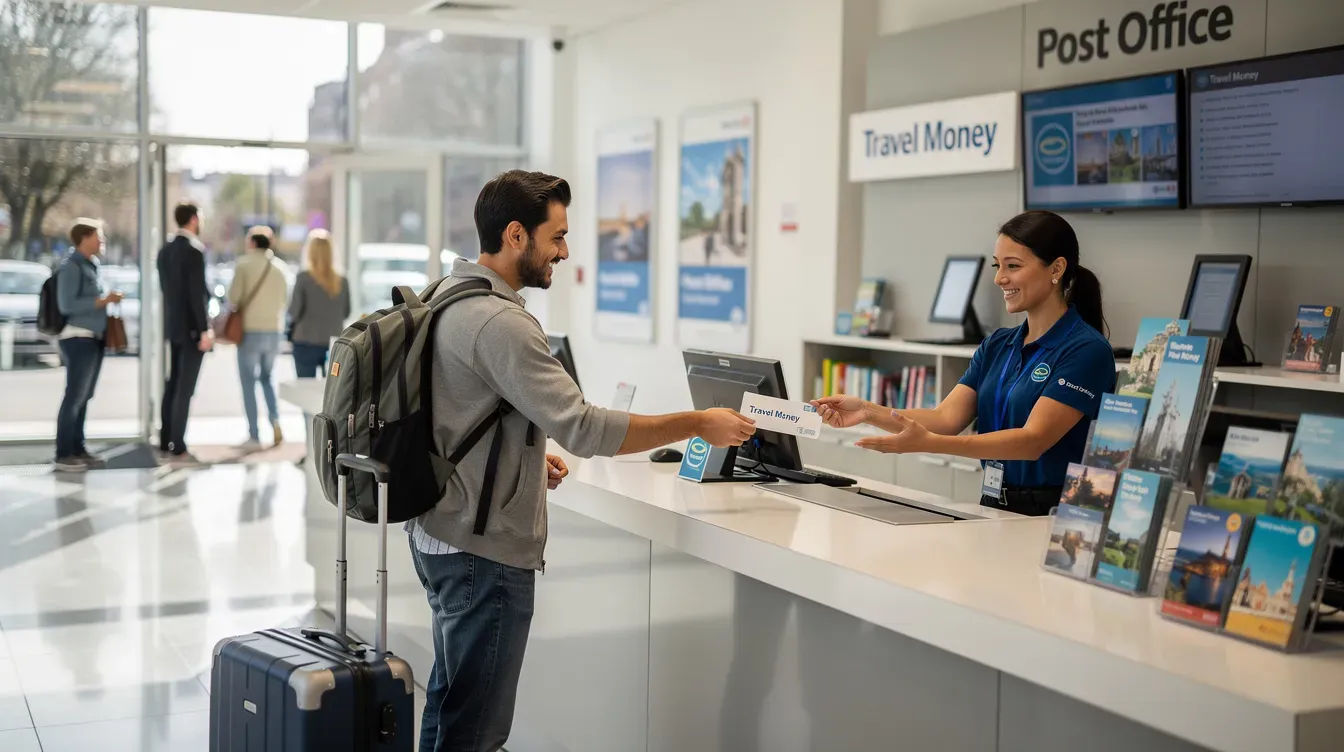
Walk into a branch and buy currency over the counter
Combine both by placing an online order and collecting at a nearby post office
Typical order values range from around £100 up to £2,500 in cash for a single purchase - you can buy up to £2,500 in cash for travel through a standard online order. For the travel money card, you can load up to £5,000 per transaction.
Payment is usually via debit card or bank account transfer. Credit card payments may incur cash advance fees from your card issuer, so paying by debit is generally the smarter move. You can also split the order between cash and your travel card online for better rates, because the combined spend pushes you into a higher rate tier.
Online vs In-Branch: Getting the Best Exchange Rate
The best exchange rates and 0% commission are generally only available online. Online orders generally offer better rates than branch orders because they are processed centrally, allowing the Post Office to pass on tighter margins.
Here is a worked example using typical June 2026 rates:
Online (£1,000+ tier): £1,000 buys approximately €1,135 at a sell rate of ~€1.1353 per £1
In-branch walk-up: The same £1,000 might buy only €1,120–€1,125, because the branch rate is typically less competitive
That gap of €10–15 might seem small, but it adds up quickly for families or groups. Exchange rates may vary by purchase method, so always check the rates online before committing to a branch purchase. Rates vary daily and are typically less favourable than the mid-market rate you see quoted in news headlines.
Two key terms to understand:
Sell rate: The rate at which the Post Office sells foreign currency to you (how many euros per pound you receive)
Buy rate: The rate at which they buy your leftover currency back - this is always lower than the sell rate
Order online using the Travel Money platform for the best rates, and remember that buying over £500 or £1,000 in travel money unlocks higher online tier rates. You get better tiered rates if you exchange larger amounts.
Ways to Get Your Travel Money from the Post Office
Once you have decided how much currency you need, the next step is choosing how to receive it. The three main fulfilment options are:
Home delivery - currency posted to your door via secure, tracked delivery
Click & collect - order online at online rates and collect from a branch
Same-day or 2-hour collection - for euros and US dollars at selected branches
You can choose cash, a travel money card, or a mix of both, depending on your destination and how you prefer to spend abroad. Delivery options may vary by UK postcode and branch, so checking cut-off times is essential if you are a last-minute traveller.
Home Delivery of Foreign Currency
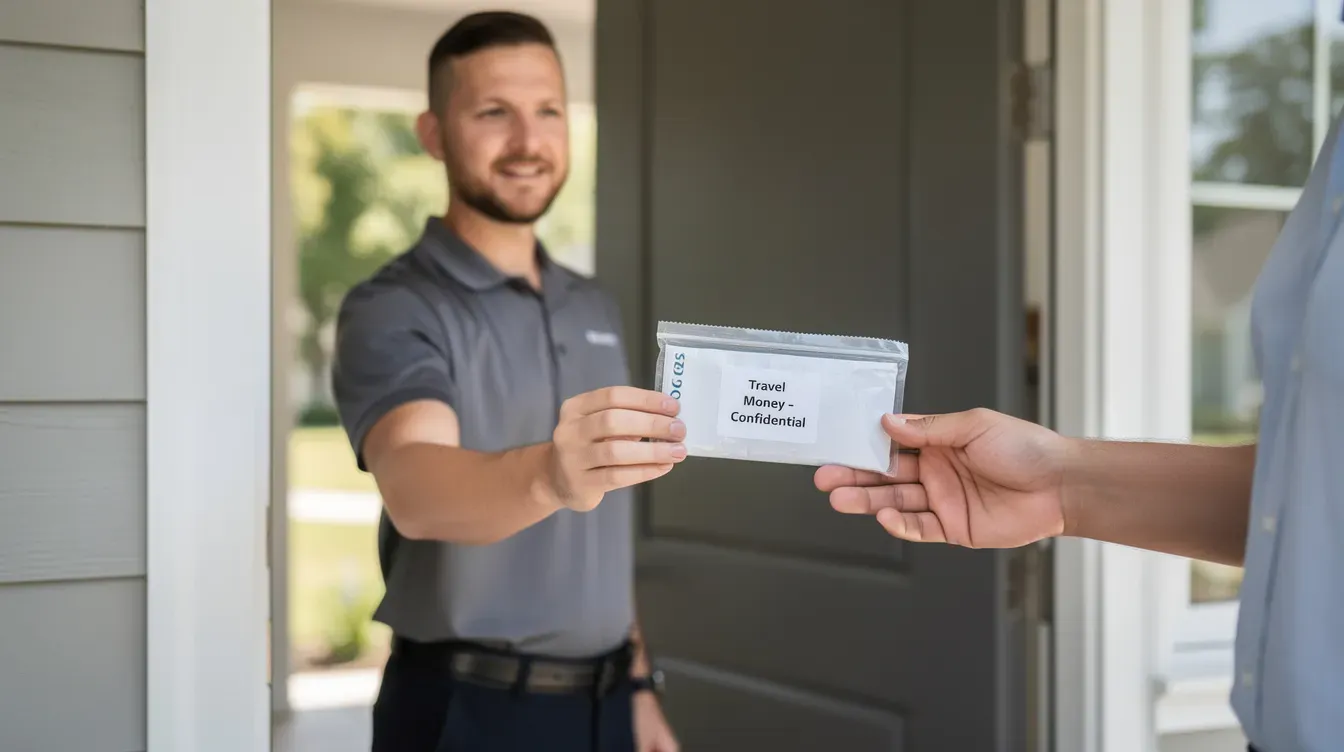
You can order travel money online for home delivery, making it one of the most convenient options if you would rather not visit a branch. Here is how it typically works:
Free delivery is usually available for orders of approximately £500 or more; smaller orders attract a charge of around £5.99
Orders placed before 3pm Monday to Saturday are generally eligible for next-working-day delivery by 1pm
Delivery requires a signature at the named address - you cannot redirect to a neighbour without prior arrangement
You can choose a delivery date a few days before your trip for extra peace of mind
For example, ordering £800 in euros on a Tuesday afternoon would typically arrive by Wednesday lunchtime, with free delivery included. Travelex Money Card also offers home delivery for travel money, so it is worth comparing if you want alternatives. Cash is available in over 60 currencies through the Post Office online service, though less common currencies may take an extra day.
Click & Collect in Post Office Branches
Click and collect lets you collect order online at the sharper online rates, then pick up your cash at a nearby branch:
Euros and US dollars can typically be ready in as little as 2 hours at selected larger branches
Other currencies usually require 1–2 working days
You will receive a confirmation email or text when your order is ready
You must bring valid ID for collections at the Post Office - typically a passport or driving licence plus the payment card used for the online order
Use the Post Office branch finder on their website to locate a convenient collection point near your home, workplace, or route to the airport
This method suits busy travellers who want to reserve their holiday money at a good rate and pick it up while running errands.
Same-Day and 2-Hour Currency Services
For last-minute travellers, many town and city branches keep euros and US dollars in stock. You can collect euros and US dollars in 2 hours at participating branches, either by walking in or using express click and collect:
Service is subject to stock availability and usually limited to euros and US dollars
Maximum order caps for same-day collection may apply (typically up to around £2,500 equivalent)
Cut-off times vary - generally around 2pm on weekdays and 1pm on Saturdays
Ordering earlier in the day is strongly recommended, especially during busy summer periods like July and August 2026
Asda offers same-day travel money for popular currencies too, so if your nearest Post Office branch is out of stock, checking other providers may save a wasted journey. Travelex offers 50 currencies available in cash, though same-day availability is more limited outside major airports.
Post Office Travel Money Card
The Post Office travel money card is a prepaid Mastercard-branded card that lets you load multiple currencies - travel money cards can hold up to 22 currencies - and spend abroad without exposing your main bank account.
Chip and PIN, plus travel money cards allow contactless payments abroad
You can load up to £5,000 on a travel money card per transaction, with an overall balance cap of around £10,000
Freeze or unfreeze the card instantly via the app if it goes missing
Ideal for longer trips, gap years, family holidays where teens carry their own card, and multi-country itineraries across other countries
There is typically an ATM withdrawal fee if you pull out physical cash abroad - expect around £1.50 per transaction in the UK and variable fees overseas. If you spend in a currency not supported by the card, a 3% cross-border fee applies, so loading the right currency wallet before you depart is important.
The card is issued by prepay technologies limited pursuant to a license by mastercard international incorporated. Prepay technologies limited is a company registered in england with a registered office and registered number listed on the card documentation. The mastercard name, mastercard international marks, and the circles design are registered trademarks of mastercard international. The card qualifies as electronic money under the electronic money regulations and is classified among payment instruments regulated through the relevant money services business framework. Prepay technologies operates as the issuer, and the apple logo is a trademark of apple inc where the app is available on iOS. If you encounter a cloudflare ray id error when ordering, simply refresh the page or try a different browser.
Managing Your Card via the App
You can top up your travel money card online or via an app, making it easy to manage your funds from anywhere:
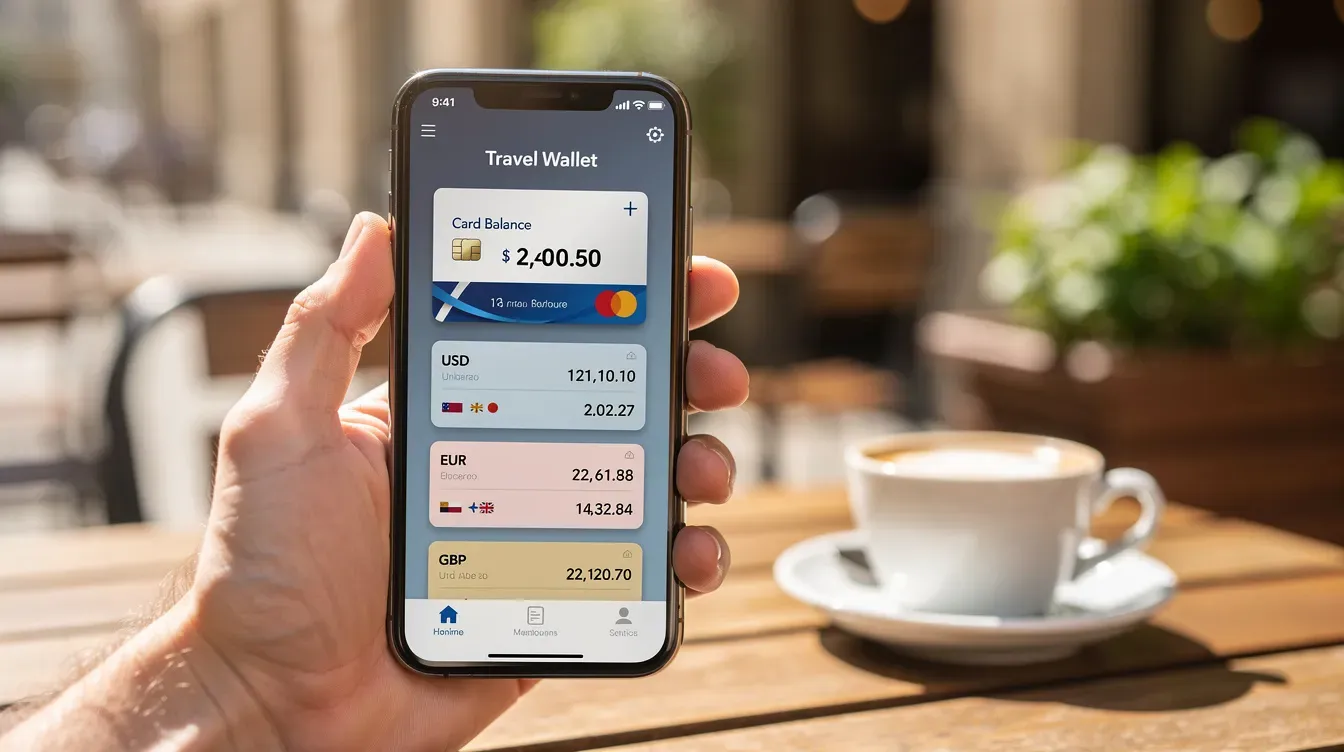
Check balances across multiple currency wallets in real time
Move money between wallets - for example, shift euros to your US dollar wallet mid-trip
Instantly freeze the card if lost, view or reset your PIN, and receive transaction alerts as a security service feature
Top up from a UK debit card while abroad if you need more travel money
A traveller in Spain, for example, could check their euro balance, move extra funds from their pound wallet, and top up again from home. The exchange rate used for in-app top-ups and currency swaps is the rate available at that moment, which may differ from rates shown for cash orders or branch purchases.
Understanding Post Office Exchange Rates and Fees
Exchange rates for travel money are updated regularly, often each morning and sometimes multiple times per day. The value you receive depends on market movements and the size of your order.
Here is a simple example:
Sell rate of 1.13 EUR per GBP: £1,000 buys €1,130
Buy rate of 1.09 EUR per GBP: returning €1,130 later gets you roughly £1,037
The Post Office typically does not charge commission on buying currency online in cash, offering great rates with 0% commission on most major currencies. However, fees may apply for card services - for instance, loading GBP onto the travel money card incurs a 1.5% commission (minimum £3, maximum £50). There may also be an own fee charged by local ATM operators when you withdraw cash overseas.
What Affects Exchange Rates?
Central bank interest rate decisions and inflation data drive short-term movements in currency markets
Political events and global risk sentiment (elections, trade disputes) can cause sudden rate shifts
The interbank or mid-market rate you see in headlines is always better than the retail rate available to consumers - the margin is how providers earn revenue
If you are planning a big trip for summer or Christmas 2026, monitor rates 3–4 weeks beforehand and consider splitting purchases into two tranches to reduce timing risk
Sign up for rate alerts or simply check rates online daily in the run-up to departure to decide when to buy travel money online
Buying, Using and Selling Back Currency
The full travel money lifecycle has three stages: buy before the trip, spend abroad, and handle leftovers when you return.
To place an online order, choose your currency, enter the amount, pick delivery or collection, and confirm payment. When budgeting, estimate daily costs for meals, transport, and activities, then add a 10–20% buffer. You can also top up a travel money card mid-trip if your plans change.
To save on every purchase, always choose to pay in the local currency when given the option at foreign tills or ATMs - selecting pounds triggers dynamic currency conversion, which almost always gives a worse rate. Avoid buying currency at the airport to prevent high commissions and poor rates; even a quick online order the night before will usually beat airport bureau prices.
Dealing with Leftover Currency
After your holiday, you can sell back unused currency at over 2,500 Post Office branches. The Post Office allows currency buyback without the original receipt, though having the receipt may secure a slightly better rate or commission-free service.
Keep small amounts of leftover currency (€10–€20) for your next trip if you travel to the eurozone regularly
Bring banknotes to the counter - coins are not accepted for buy-back, so spend them before you fly home or donate at airport charity collection points
The buy-back rate will always be lower than the rate at which you originally purchased, so you will not receive the same exchange rate
If your holiday is cancelled, the Post Office offers a refund guarantee within 28 days at the same exchange rate as your purchase (excluding delivery charges), provided you have receipts and proof of cancellation
For context, Asda offers commission-free buyback for unused travel money, and Asda's buyback service accepts leftover banknotes from £35 to £250. Travel FX provides competitive rates for currency buyback too, so comparing a few options before selling back larger sums is worthwhile. Travelex offers up to 50 foreign currencies in cash and may also buy back select currencies at airport locations.
Choosing Between Cash, Card and Other Payment Options
Most experienced travellers use a mix of payment methods. Here is how to think about splitting your holiday money:
Cash: Essential for taxis, market stalls, tips, and small purchases in countries where card acceptance is patchy
Travel money card: Secure for hotels, restaurants, and larger purchases - keeps your main bank account separate from holiday spend
UK debit or credit card: Useful as a backup, but check whether your bank charges non-sterling transaction fees before relying on it abroad
Local ATMs: Convenient for topping up cash, but many standard UK bank cards add withdrawal fees on top of any own fee the local ATM operator charges
Carrying too much cash is risky, while relying on a single card is fragile. A sensible split - say, 60% on card and 40% in cash - gives flexibility without unnecessary exposure.
Safety Tips for Holiday Money
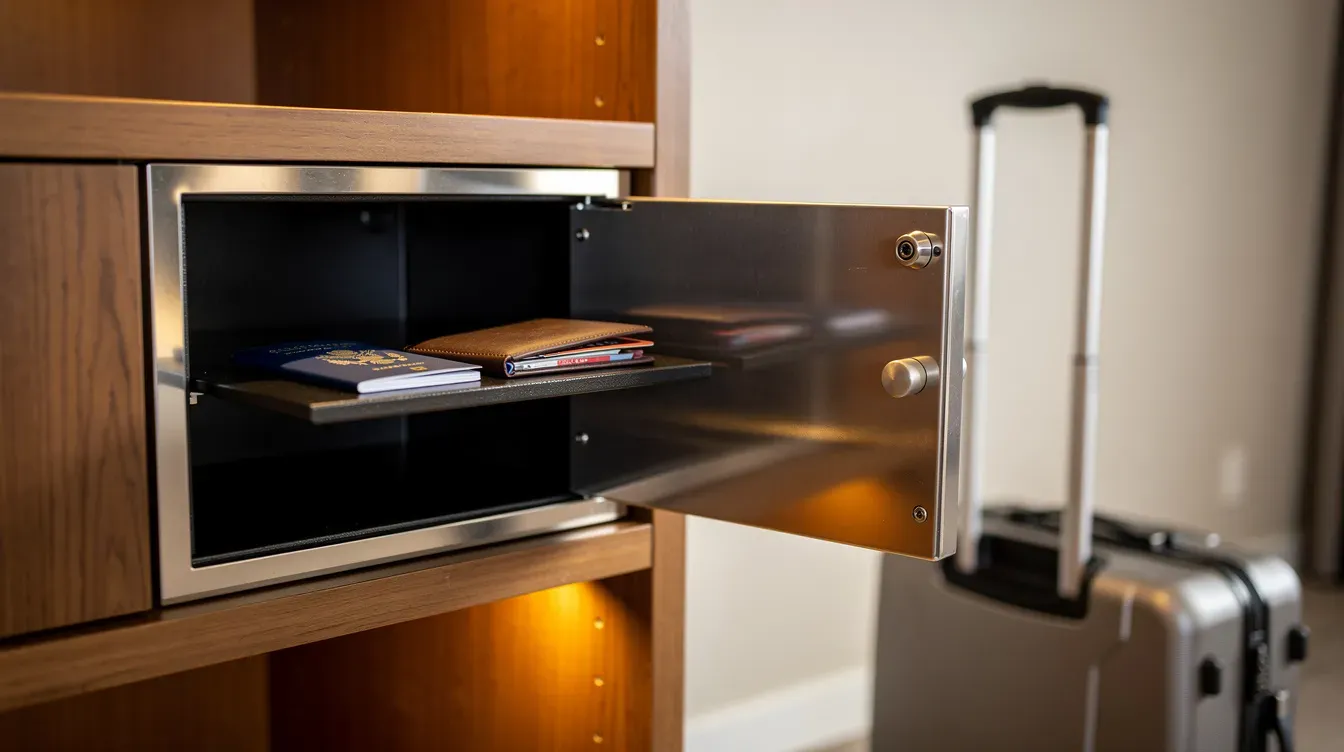
Avoid displaying large amounts of foreign currency in public; split cash between different bags or a money belt
Notify your bank or card provider of your travel dates so transactions are not flagged as suspicious
Enable app notifications for your travel money card and keep a separate record of card numbers and the emergency helpline
Watch for common scams in tourist hotspots: overcharging taxis, fake ticket sellers, and card skimming at standalone ATMs
Check your travel insurance policy - many providers bundle money and card protection features with selected cover levels, so reviewing the wording before you travel is worthwhile
Planning Ahead for Your Next Trip
Think about travel money at the same time you book flights and accommodation, not the night before departure. A simple timeline:
3–4 weeks before: Start monitoring exchange rates
1–2 weeks before: Place your initial order to secure a rate you are comfortable with
2 working days before: Leave buffer time for click and collect or home delivery to arrive
For multi-stop itineraries - say, a June–July 2026 trip visiting Spain and then the US - plan how much to hold in euros and US dollars across cash and card. Use travel budget planners and destination cost guides to estimate realistic spending rather than guessing.
With a little preparation, Post Office travel money services help you get more travel money for your pounds so you can focus on enjoying the holiday rather than worrying about how to pay.
FAQ
How far in advance should I buy Post Office travel money?
For most trips, start checking exchange rates 3–4 weeks before departure and place your order 7–10 days before you travel. This gives you time to catch a favourable rate and leaves a buffer for delivery or branch stock issues. If rates move sharply in your favour, buying earlier can lock in savings. Very last-minute travellers can still use 2-hour click and collect for euros and US dollars, but they sacrifice rate flexibility.
Can I get foreign currency delivered to someone else’s address?
For security reasons, most providers deliver travel money only to the address and person named on the order, requiring a signature on arrival. Some allow delivery to an alternative address (such as a workplace) if entered correctly during ordering, but not to unconnected third parties. If there is any doubt, using click and collect at a convenient branch is the simplest and most secure option.
What ID do I need when collecting travel money at a Post Office branch?
You will usually need the payment card used for the online order plus photo ID - a passport or UK driving licence - matching the name on the order. For larger orders (typically above £2,000), branches may apply stricter identity checks under anti-money-laundering regulations. Always check your confirmation email before heading to the branch.
Does the Post Office buy back all types of leftover currency?
Most major banknotes (EUR, USD, AUD, CAD, JPY, and others) can be sold back at many branches, but obscure or withdrawn currencies may only be accepted at larger offices. Coins are not accepted for buy-back, and damaged or very old notes may be refused. If you hold an unusual currency or a large amount, phone the branch or check online before visiting.
Is it cheaper to withdraw cash abroad instead of buying travel money from the Post Office?
It depends on your bank. Some fee-free specialist debit or credit cards offer competitive exchange rates at foreign ATMs, but many standard UK cards charge non-sterling transaction fees and cash withdrawal fees that quickly add up. Buying travel money in advance gives you a known rate and avoids overseas ATM surprises. A balanced approach works well: carry some Post Office cash for arrival spending, use a low-fee card where possible, and keep an eye on fees so nothing catches you off guard on your next trip.