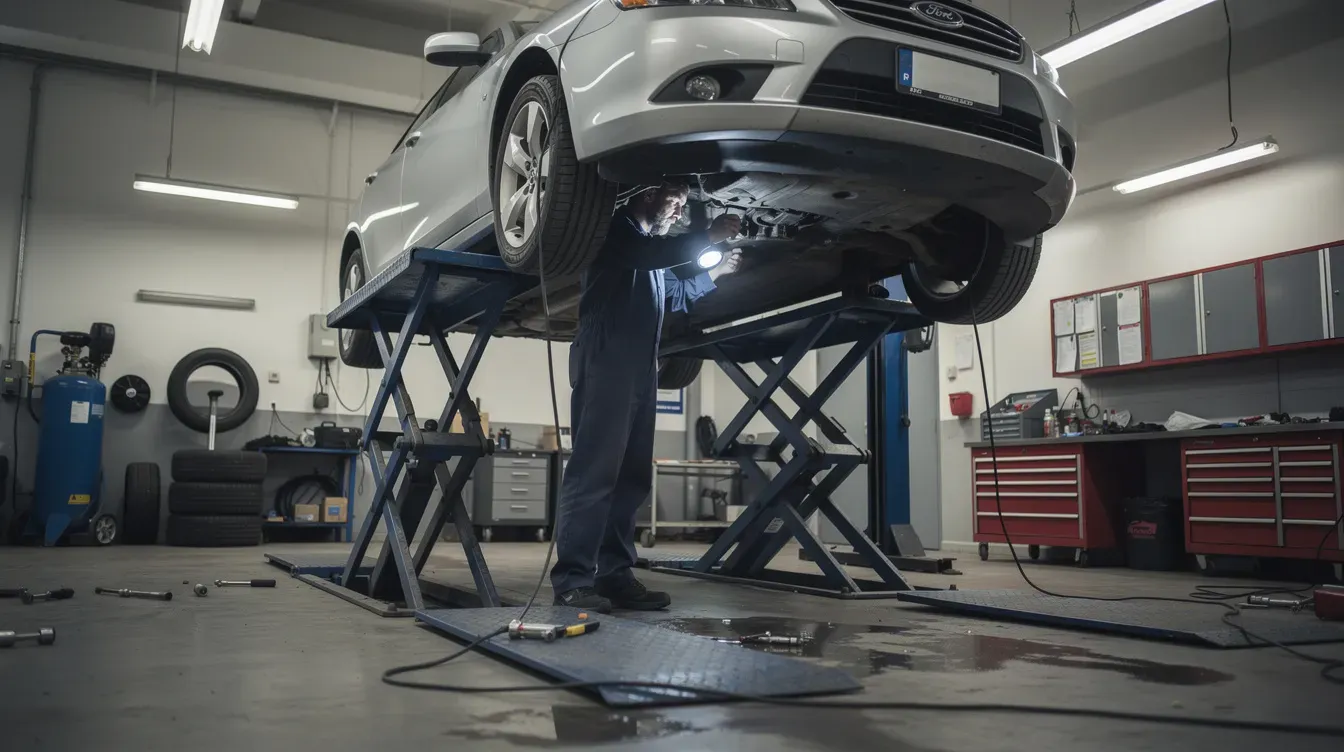
If you've ever wondered what do they check in an MOT, you're not alone. Every year, millions of cars across Great Britain go through this annual mot test, and yet many drivers arrive at the test centre without knowing exactly what the mot tester is looking for. An MOT test in the UK is a comprehensive inspection to ensure roadworthiness - covering everything from brakes and lights to exhaust emissions and vehicle structure. In this guide, we break down every area that is checked during an mot, explain what can cause a failed mot, and show you how to prepare so your vehicle passes first time.
Key Takeaways
An mot check focuses on vehicle safety, roadworthiness and exhaust emissions - not full mechanical condition or long-term reliability. MOT tests ensure vehicles meet legal safety standards on the day of the test.
Vehicles over three years old need an annual mot test in England, Scotland and Wales (four years in Northern Ireland). Driving without a valid MOT is illegal in the UK, and fines can reach up to £1,000.
The main systems checked in an mot include brakes, tyres, lights, steering, suspension, the fuel system, exhaust system, bodywork, seats, seatbelts and electrical equipment including dashboard warning lights.
The exhaust emissions test is a critical part of the MOT - if your car fails the emissions test, the car fails its MOT even if every other component passes.
A failed mot produces a detailed list of dangerous, major and minor defects. Dangerous faults make the vehicle illegal to drive on public roads except to a pre booked mot appointment for repair or retest.
What Is Checked in an MOT? (Quick Answer)
For readers who want a fast answer: here is what the mot test checks at a glance. Key components checked during an MOT test include lighting, brakes, tyres, suspension, and emissions.
The main MOT categories are:
Lights and electrical equipment
Steering and suspension
Brakes (including the braking system and electronic park brake)
Tyres and wheels
Exhaust system, fuel system and exhaust emissions
Body and vehicle structure
Seats and seatbelts
Driver's view of the road (windscreen, windscreen wipers, mirrors and indirect vision devices)
Registration plates, vehicle identification number VIN, and dashboard warning lights
The mot checklist focuses on minimum legal standards for safety and emissions on the day of the test - not long-term reliability or engine health. MOT tests do not check the internal condition of the engine, clutch, or gearbox. Those items fall under a regular service, not the mot check.
If you want the full breakdown of what is checked during an mot in each area, keep reading below.
How Often Do You Need an MOT and Why It Matters
Most cars in England, Scotland and Wales need an MOT every 12 months once they are three years old from first registration. In Northern Ireland, the first MOT is required at four years. This annual mot is a legal requirement - not optional.
The mot certificate shows the expiry date. You can retest your vehicle up to one month before expiry (technically one month minus a day) without losing any time on your renewal date. For example, if your existing mot certificate expires on 10 October 2026, you can book from 11 September 2026 and keep the same annual renewal date.
Key points to remember:
There is no grace period after expiry. Driving without a valid mot can result in fines up to £1,000 and up to 6 penalty points on your licence.
You can only drive without an MOT if going to a pre-booked test - no other journeys are legal.
Police can impound vehicles found without a valid mot.
Insurance may be invalid if your mot has lapsed, which creates even greater financial risk.
The MOT test was first introduced in the UK in 1960 as a basic safety check. Over the decades, it has expanded to cover emissions, structural integrity and electronic safety systems.
Some vehicles over 40 years old may be exempt from MOT testing under the Vehicles of Historical Interest scheme, provided they have not been substantially changed in the past 30 years. However, they must still be kept in a safe and roadworthy condition by law.
You can confirm when your MOT is due using the official GOV.UK MOT history tool. Enter your vehicle registration to see your expiry date, previous test results and any advisories from a previous test.
Body, Vehicle Structure and General Condition
MOT testers begin by inspecting the body, chassis and general vehicle structure for excessive corrosion or damage that could compromise safety. Bodywork is inspected for corrosion or damage during an MOT test.
Specifically, they look for:
Rust or cracks near load-bearing areas such as sills, floor pans, chassis rails, suspension mounting points, subframe and seatbelt anchorages. For example, corrosion around sills from winter road salt is a common finding.
Sharp edges from poorly carried out welds, badly fitted body kits or inappropriate repairs that could injure pedestrians, cyclists or occupants - these can cause an MOT failure.
Doors, bonnets and tailgates must open and latch in the closed position so occupants can enter and exit safely. The rear doors must also open and close correctly. The tester will check that rear doors open, close and latch without issues.
Towbars (if fitted) are checked for secure attachment to the chassis, condition including corrosion, and the electrical socket must be working correctly if used for towing.
Engine mountings are also visually inspected as part of the structural check - worn or cracked mountings that could allow excessive engine movement are noted.
Fuel System, Exhaust System and Exhaust Emissions Test
The fuel system, exhaust system and exhaust emissions test are all about safety and environmental impact. MOT tests include checks for emissions to reduce pollution.
Fuel system checks cover:
Visible fuel lines and hoses for leaks, damage or deterioration
The fuel tank and filler area for security
The fuel cap, which must seal and lock properly - the tester may ask you for the fuel cap key
Exhaust system inspection runs from front to back. The exhaust system must be secure and free from leaks. Testers look for corrosion, missing sections, insecure hangers and excessive noise that suggests a broken silencer or back box.
The exhaust emissions test is where many cars trip up. For petrol vehicles, the tester inserts an analyser probe into the tailpipe to measure pollutants such as carbon monoxide and hydrocarbons. For diesel cars and any other diesel vehicle, the test measures smoke opacity and checks for a functioning particulate filter and catalytic converter where originally fitted.
If the exhaust emissions are over the legal limit for the vehicle's age and fuel type, or there is clearly visible excessive smoke, the car fails the emissions test and therefore fails its mot.
Lights, Reflectors and Electrical Equipment
Lighting faults are one of the most common reasons a car fails its MOT. In fact, 29.6% of MOT failures are due to lights and signals - making this the single biggest category of mot failure.
The mot test checks these lamps:
Light type | What is checked |
|---|---|
Headlights (dipped and main beam) | Operation, colour, headlamp aim |
Side lights | Operation, correct colour |
Indicators and hazard lights | Flash rate, colour, operation |
Brake lights | All lamps including high-level stop lamp |
Rear lights | Operation, correct red colour |
Fog lights (front and rear) | Operation when fitted as standard |
Reversing light | Operation on newer vehicles |
Number plate lights | Illumination of registration plates |
All lights must be working and correctly positioned. The tester also checks headlight aim so the beam does not dazzle oncoming traffic.
Reflectors - particularly rear reflectors - must be present, unbroken and the correct colour so the car remains visible when parked at night.
Other electrical equipment checked in this category includes the horn (must produce a continuous sound), battery security, visible wiring condition and towbar electrics where fitted.
Brakes, Steering and Suspension
These three systems are critical for vehicle safety and are always thoroughly checked during an mot test. The three most common reasons for MOT failures are lights, suspension, and brakes - so this section deserves close attention.
Brakes
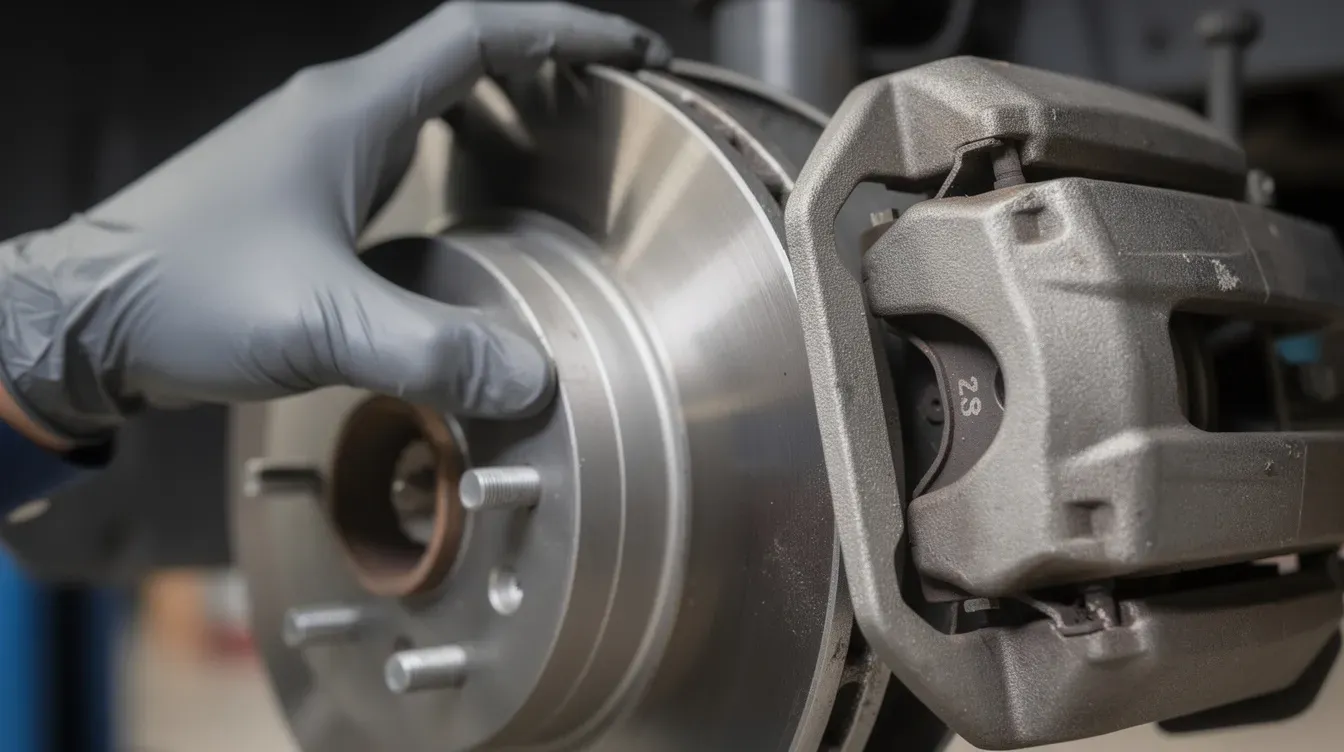
Brakes must be effective and in good condition. The tester uses a rolling road brake tester to run an efficiency test on each wheel individually, including the parking brake and electronic park brake where fitted. The braking system is also visually inspected:
Brake discs, drums, pads and shoes for wear, cracking or contamination
Brake lines, pipes and hoses for leaks, corrosion or damage
Brake fluid reservoir level
Dashboard warning lights for the anti lock braking system, electronic stability control and brake fluid level must illuminate at ignition and then go off. A persistent warning light means an MOT fail.
Around 17.2% of MOT failures are caused by brake problems - often worn pads, corroded brake lines or seized calipers.
Steering
Inspectors check the steering wheel, column, and suspension components for security and wear. Specific items include:
Steering rack, track-rod ends and universal joints for play or damage
Power steering pipes and hoses for leaks (covering both hydraulic power steering and electronic power steering systems)
The steering lock mechanism and steering lock must operate correctly
The driver's direct line of steering input must be free from excessive play
Suspension
Suspension parts such as springs, shock absorbers, wishbones and mounting bushes are checked for fractures, leaks and deterioration. Around 20.2% of MOT failures are related to suspension issues - broken springs and leaking dampers are among the most common findings.
Tyres, Wheels and the Driver’s View of the Road
Safe contact with the road and clear visibility are central to what is checked during an mot.
Tyres and wheels
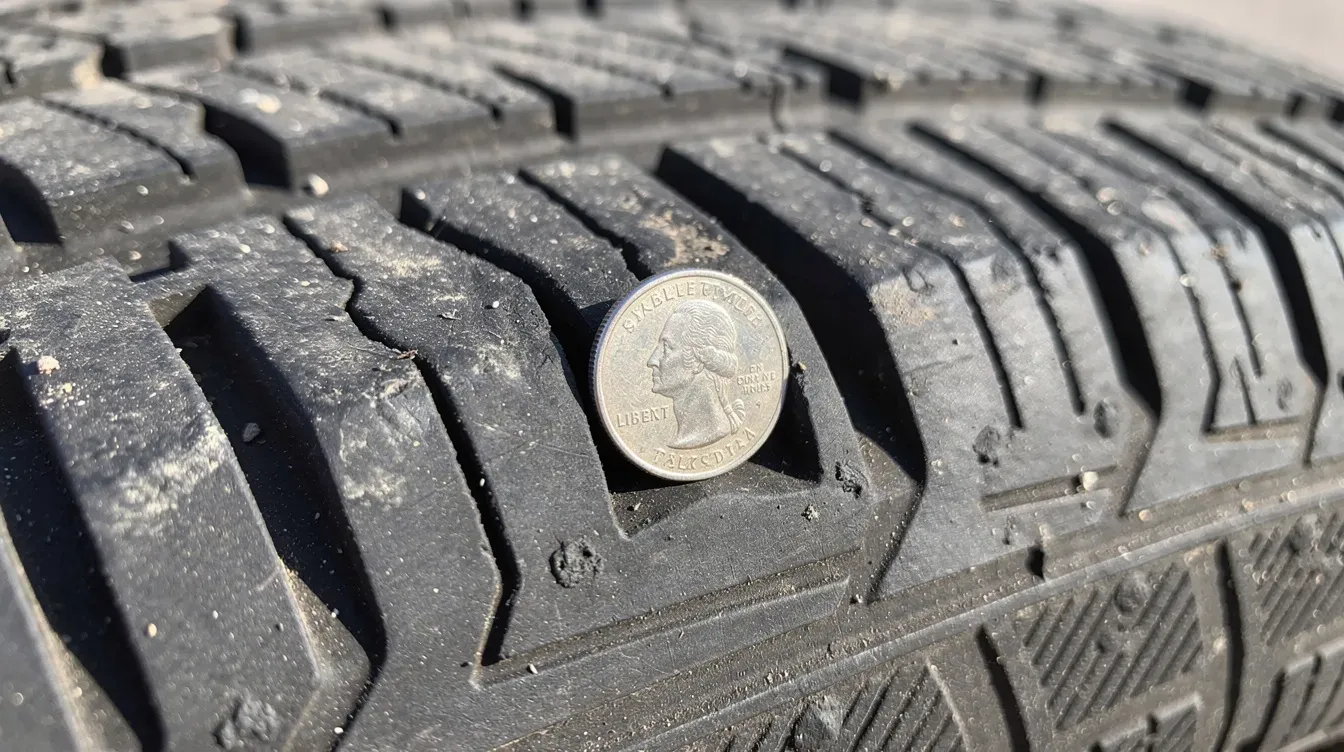
Tyres must have a minimum tread depth of 1.6mm across the central three-quarters of the tread width and around the full circumference. Beyond tread depth, the tester checks for:
Sidewall bulges, serious cuts or exposed cords
Correct tyre size and type, with matching pairs on each axle
The tyre pressure monitoring system warning lamp (for vehicles first used on or after 1 January 2012)
Around 10.4% of MOT failures are due to tyre issues.
Wheels are checked for cracks, distortion and secure wheel nuts or bolts. Note that spare wheels are not usually part of the MOT check unless one is actually fitted on the car in place of a standard wheel.
Driver’s view
Visibility checks during an MOT include assessing the windscreen, wipers, and washers. The windscreen is inspected for chips and cracks - windscreen chips over 10mm in the swept area directly in front of the driver can cause an MOT failure. Larger damage up to 40mm may be tolerated outside the primary viewing zone, but anything beyond that is a fail.
Additional checks:
Windscreen wipers must clear the screen effectively without smearing
Washer jets must deliver fluid to the screen
Mirrors (including indirect vision devices) must be securely fixed and provide a good rearward view
Sunstrips, stickers or objects that obstruct the driver's view can cause failure
Around 8.7% of MOT failures are related to the driver's view - often a cracked windscreen or worn wiper blades.
Seats, Seatbelts and Interior Safety
Interior checks during an MOT focus on how well occupants are protected and restrained in a crash. Seatbelts must be securely fixed and in good condition.
Seatbelts: All belts fitted must latch securely, retract correctly and be free from frays, cuts or damage. Inertia-reel mechanisms are pull-tested by the mot tester to confirm they lock under sudden force.
Seats: The driver's seat must be firmly attached to the floor, capable of being adjusted and locked in position without excessive play. Seat backs must remain upright and not collapse unexpectedly.
Airbag warning light: Airbags themselves are not directly tested, but a persistent airbag or seatbelt pretensioner dashboard warning light can cause an MOT fail because it indicates a fault in the restraint system.
Cabin hazards: Loose objects, heavily cluttered footwells or items that could interfere with pedals may prompt the tester to raise safety concerns or refuse to proceed until the cabin is cleared.
Vehicle Identification, Registration Plates and Dashboard Warning Lights
An mot check also confirms the vehicle's identity and basic legal markings.
Registration plates
Registration plates must be securely mounted, clean, clearly legible and use the correct font, spacing and reflective material (white front, yellow rear for post-1973 vehicles). Damaged, obscured or incorrectly spaced plates can cause an MOT failure. The Driver and Vehicle Standards Agency (often referred to as the vehicle standards agency) sets these requirements.
Vehicle identification
The vehicle identification number VIN - usually found at the base of the windscreen or on a stamped plate - must be clearly visible and match the vehicle's documents. Vehicle identification is part of the basic security check at the start of every MOT.
Dashboard warning lights
Several dashboard warning lights are checked in an mot, including:
Anti lock braking system (ABS)
Electronic stability control (ESC)
Power steering (hydraulic or electronic power steering)
Airbag and seatbelt pretensioner
Engine management light (EML)
Tyre pressure monitoring system
These warning lights must illuminate at ignition and then go out. If they remain on while the engine is running or fail to illuminate at all, the car can fail its MOT solely because of an illuminated safety-related warning light - even if the car appears to drive normally.
Since 2018, a lit engine management light has been an automatic major fail under the "driver information systems" category.
What the MOT Does Not Check
An MOT is often mistaken for a full service, but it is a different type of inspection with a specific legal focus.
Items not covered by the mot test checks:
Internal engine condition, turbo performance, clutch wear, gearbox health and differential operation - as long as they do not obviously affect safety on the day
Cosmetic issues such as minor bodywork dents, small scratches, faded paint and alloy wheel scuffs (unless they create sharp edges or structural problems)
Air conditioning performance, infotainment systems, sat-navs, electric windows, central locking or parking sensors - comfort and convenience features are outside the scope
Oil condition, coolant quality, spark plugs, timing belt wear and other scheduled maintenance items
An MOT tells you the car met minimum legal standards on one particular day. It does not tell you the car will remain trouble-free until the next test.
Getting your vehicle serviced regularly - ideally before or alongside the annual mot - ensures that oil, filters and wear items are addressed separately.
What Happens If Your Car Fails Its MOT?
An MOT can result in three outcomes: pass, pass with advisories, or fail. A fail is not the end of the world, but it does need prompt attention.
How defects are classified
Category | Result | Can you drive? |
|---|---|---|
Minor (advisory) | Pass with advisory noted | Yes |
Major | Fail | Depends - see below |
Dangerous | Fail | No, except to pre-booked repair |
When a vehicle fails its MOT, defects are listed on the mot test certificate (or refusal notice, VT30). Dangerous and major defects cause an outright MOT failure, while minor issues are recorded as advisories.
If a dangerous defect is recorded, it is illegal to drive the car on public roads except to a pre booked mot appointment for repair or retest. The previous mot certificate is effectively invalidated for that vehicle.
If only major defects are listed and the existing mot certificate is still in date, some cars may legally be driven to a repair garage - but the car must still be considered roadworthy by law, and drivers can still be prosecuted if it is not.
Many test centres offer a free or reduced-fee partial retest if repairs are completed and the vehicle retested within a set time window, typically 10 working days.
How to Prepare Your Car to Pass Its MOT
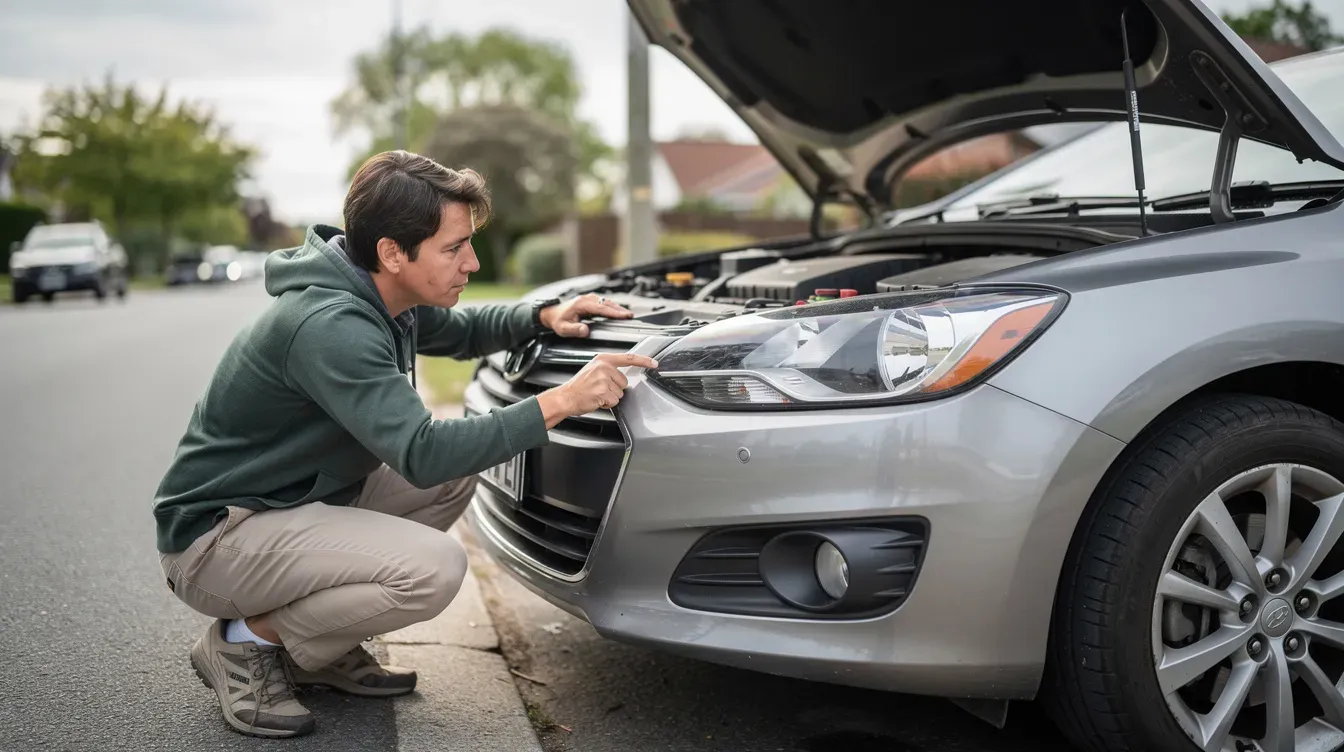
Many MOT failures are caused by simple, avoidable issues that can be spotted at home in 10 to 15 minutes. A quick pre-MOT walkaround could save you time, money and the hassle of a retest.
Quick pre-MOT checks
Lights: Walk around the car and check all lights and indicators, including number plate lights, brake lights, fog lights and rear lights. Ask someone to press the brake pedal while you check from behind.
Wipers and washers: Check wiper blades for splits and top up screenwash. Clear the windscreen of stickers and clutter.
Tyres: Check tread depth using a 20p coin - if the outer band of the coin is visible, the tread may be below 1.6mm. Look for sidewall bulges or visible cords. Confirm matching tyre sizes on each axle.
Dashboard warning lights: Turn on the ignition and watch whether ABS, airbag, power steering, engine management or tyre pressure monitoring system lights stay on. If any remain lit, investigate before booking.
Doors, bonnet and boot: Make sure all open and close properly, including the bonnet catch and rear doors.
Seatbelts: Check that each belt latches, retracts and is free from damage.
Horn: Give it a press. If it sounds weak or doesn't work, replace the fuse or horn unit before the test takes place.
Fuel cap: Ensure it seals properly and locks if required.
The current MOT pass rate for cars sits at around 82%. Many of that remaining 18% fail on items the owner could have fixed before arriving at the test centre.
Book your mot appointment early in the day. If the car fails, you may have time for repairs and a partial retest on the same day.
FAQ
Does an MOT check the engine and gearbox?
The MOT does not include a full inspection of the engine internals, clutch or gearbox. MOT tests do not check the internal condition of the engine, clutch, or gearbox. The mot tester only listens for obvious issues such as severe knocking, excessive smoke or serious oil leaks that could present a safety concern.
Problems like worn timing belts, slipping clutches or weak turbos will not automatically cause an MOT fail unless they create a clear safety or emissions problem on the day. Use regular servicing and diagnostic checks - not the annual mot - to monitor long-term engine and transmission health.
Do electric cars need an MOT and what is different in their MOT check?
Yes. Electric cars still need an mot test once they reach three years old, just like petrol and diesel cars, because they share the same safety requirements for brakes, tyres, suspension, lights and structure.
There is no exhaust emissions test on a pure electric vehicle because it has no tailpipe. However, all other relevant mot test checks still apply. The high-voltage battery and charging system are not dismantled or capacity-tested during an MOT - testers simply look for obvious damage to high-voltage cables or relevant warning lights on the dashboard.
Can I drive my car home after it has failed its MOT?
If the MOT records a dangerous defect, you must not drive the vehicle on the road except directly to a pre-booked repair or retest. Doing so can lead to prosecution and may invalidate your insurance.
If the car only has major faults, and the previous mot certificate is still in date, it may be legal to drive it away - but the car must still be roadworthy in the eyes of the law. Check the wording on your MOT refusal notice (VT30) and consider recovery or transport if you are unsure whether driving would be safe or legal.
How long does an MOT take and should I wait at the garage?
An MOT test takes roughly 45 to 60 minutes for a standard Class 4 car or light van, though extra time may be needed if the tester needs to investigate borderline items more closely. Most garages allow customers to wait in a viewing area or reception, but it is also common to leave the car and return later the same day. Morning slots are ideal if you want time for same-day repairs and a partial retest should the car fails its check.
What is the difference between an MOT and a service?
An MOT is a legally required annual safety and emissions inspection - a transport test that confirms minimum roadworthiness standards. A service is routine maintenance carried out according to the manufacturer's schedule.
Servicing includes oil and filter changes, detailed checks of brakes and suspension wear, and often software updates - none of which form part of a standard mot check. Treat the MOT as a minimum legal check and use servicing to keep the car reliable, comfortable and efficient over the long term. When your vehicle passes its MOT, that confirms it met the standard on the day - not that it will stay trouble-free until the next one.