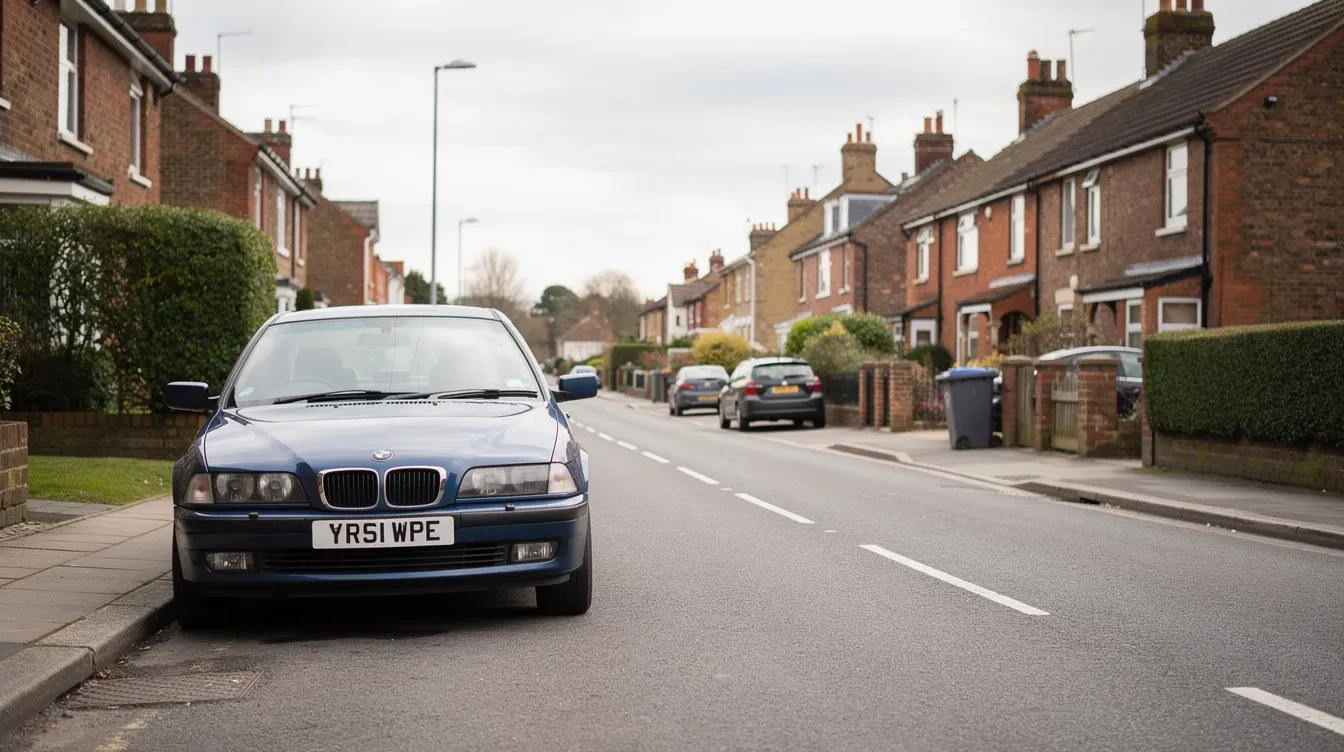
If you are buying a car, renewing your vehicle tax, or bringing a vehicle back on the road after storage, you need to know exactly what the law requires before you hand over any money or turn the key. This guide covers everything about whether you can tax a car without insurance, what happens if you try, and how to get road legal as quickly as possible.
Key Takeaways
You cannot tax a car without valid insurance in the UK. The DVLA checks the motor insurance database automatically when you try to tax your car, and will refuse to process the payment if no active policy is found.
Car tax is officially known as vehicle excise duty (VED), and it is a separate legal requirement from car insurance and MOT, though all three must be in place before you drive on public roads.
The only exception is when the vehicle is officially declared off the road with a statutory off road notification (SORN), which suspends your requirement to have vehicle tax and insurance.
From April 2025, electric vehicles must also pay vehicle tax. New zero-emission cars registered from that date pay a £10 first-year rate before moving to the standard annual charge.
You must insure a vehicle before you can tax it. Getting the order wrong can leave you with an untaxed car, potential fines, and no legal right to drive.
What Is Vehicle Tax and Why Does It Matter?
Vehicle tax, formally called vehicle excise duty, is a compulsory charge applied to almost all vehicles used or kept on public roads in the UK. You must tax your car to drive on public roads, and even parking an untaxed vehicle on a public road is an offence under the Vehicle Excise and Registration Act 1994.
Vehicle tax is separate from car insurance and MOT. Insurance covers liability and damage, MOT confirms roadworthiness for vehicles over three years old, and VED is essentially a licensing fee tied to your vehicle's registration. All three must be valid to drive legally.
VED rates depend on several factors including when the car was first registered, CO2 emissions, fuel type, engine size, and list price. Vehicles with a list price exceeding £40,000 at first registration attract an additional "expensive car supplement" for five years.
The money raised from road tax helps fund transport infrastructure and enables the DVLA and police to track the tax status of every registered vehicle. Since October 2014, paper tax discs have been abolished. Tax status is now checked electronically via number plate and database lookups, meaning there is nothing physical to display on your windscreen.
Can You Tax a Car Without Insurance?
No. You cannot tax a car without valid insurance in the UK, whether you are taxing a new vehicle for the first time or renewing an existing tax period.
When you attempt to pay car tax-online, by phone, or at a post office-the DVLA system automatically checks the motor insurance database for an active policy matching your vehicle's registration. If no valid insurance policy is found on the MID, the DVLA will refuse to process the tax application and your vehicle will remain untaxed.
This rule applies regardless of the payment period you choose. Whether you are paying for 6 months, 12 months, or by monthly Direct Debit, the MID check is integral to the process. If uninsured, you cannot renew your vehicle tax.
Trying to drive an untaxed car that is also uninsured on a public road is a serious matter. You risk fixed penalty fines, penalty points on your licence, vehicle seizure, and possible court action. The DVLA can take enforcement action if a vehicle is left without tax and insurance, even if it is simply parked on a public road.
How Insurance, MOT and Car Tax Work Together
Car tax, MOT, and car insurance are three separate legal obligations, but they are checked together by interconnected DVLA and police databases. Enforcement is largely automated: ANPR cameras and DVLA systems regularly scan registration plates and compare tax, MOT, and insurance status across national records.
To tax a car, it generally must have:
Valid car insurance recorded on the MID
A valid mot certificate if the vehicle is over three years old
No active SORN recorded against it
Here is a quick comparison of what you can and cannot do:
Question | Answer |
|---|---|
Can I tax without insurance? | No. DVLA checks the MID and will reject your application. |
Can I insure without tax? | Yes. You can buy insurance for an untaxed vehicle, especially if preparing to make it road legal. |
Can I MOT without tax? | Yes. You can take an untaxed vehicle for an MOT, provided it is insured and roadworthy. |
It is worth noting that most insurance policies require your vehicle to be taxed for the cover to be fully valid for road use. If your insurer discovers the car was untaxed at the time of a claim, they may refuse to pay out.
Using Temporary Insurance to Tax a Car
Temporary car insurance-covering anything from a single day up to 28 or 30 days-is a legitimate way to get your vehicle onto the motor insurance database so you can tax it quickly. Temporary insurance allows you to tax a car quickly without committing to a full annual policy.
Once a temporary policy is active and appears on the MID, you can immediately use it to tax your vehicle online or at the post office. Common scenarios where drivers rely on short-term cover include:
Collecting a newly bought used car from a seller or auction
Moving a vehicle from a private garage to a test centre for MOT
Covering a car for a single journey before arranging longer-term insurance
Many insurers update the MID within a few hours, but legally they have up to seven days for private policies. If you take out cover and attempt to tax immediately, there may be a short lag. Keep your digital or printed proof of insurance on your phone in case you are stopped before the database updates.
Once temporary cover ends, the car must either be insured on a new policy, declared SORN, or kept off public roads. Letting insurance lapse while tax is still active puts you at risk of penalties under Continuous Insurance Enforcement.
Taxing and Insuring a New or Newly Bought Vehicle
Since late 2014, vehicle tax no longer transfers between owners when a car is sold. Every new registered keeper must tax their car themselves as soon as they take ownership.
The correct order when buying a car, whether from a dealer or privately, is:
Arrange car insurance first so that cover is active and recorded on the MID.
Tax your car using the green new keeper slip (the V5C/2 section of the vehicle's logbook) or the full V5C if already in your name.
Confirm that MOT is valid if the car is over three years old.
Drive it on public roads.
Dealers sometimes arrange tax at the point of sale, but the buyer must still supply insurance details. Always confirm that the vehicle tax has been set up and the car is showing as taxed on DVLA records before driving away.
A brand-new vehicle registered after April 2025 will have a first year VED rate based largely on CO2 emissions, after which it typically moves to a standard flat annual rate of £195. Buyers of cars with a list price over £40,000 at first registration should budget for the expensive car supplement-approximately £425 per year on top of the standard rate for years two through six.
Electric Vehicles and Future Tax Rules
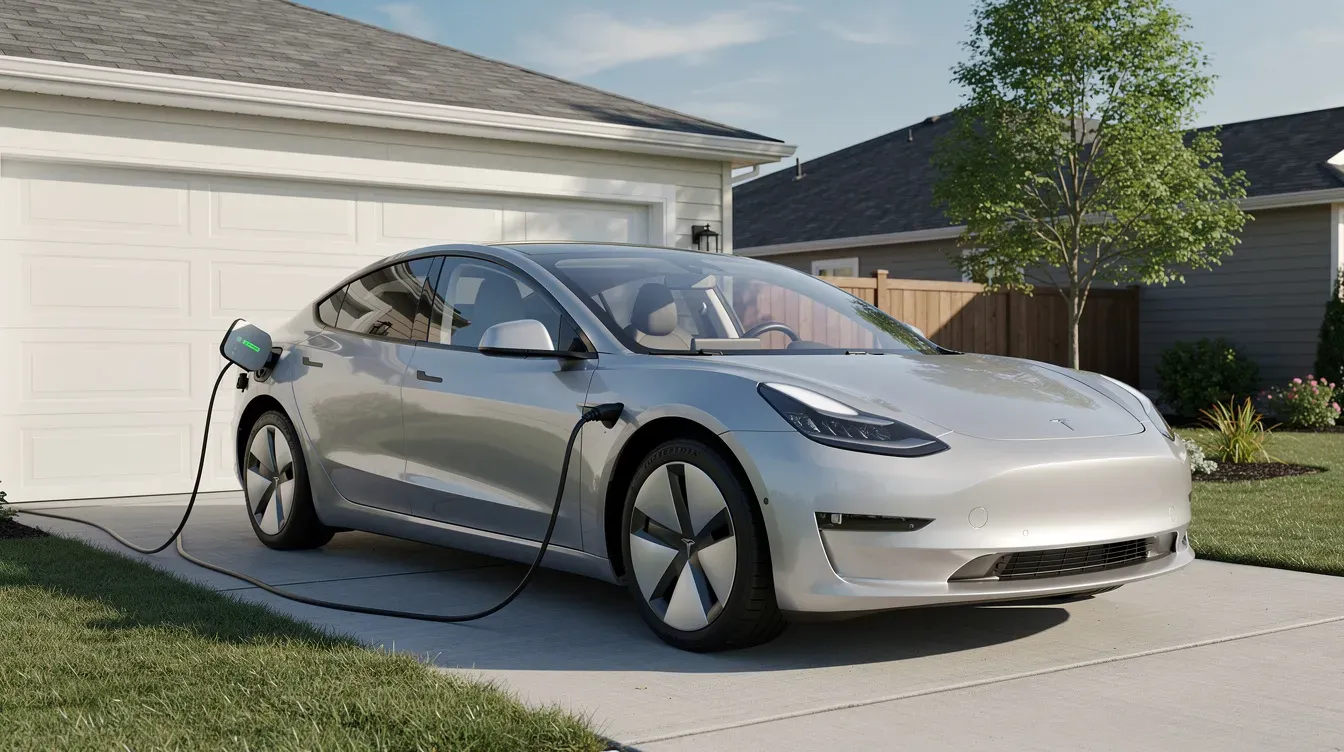
Electric vehicles used to enjoy full VED exemption, but government policy changed to bring EVs into the vehicle tax system. The exemption officially ended on 1 April 2025.
From that date, new zero-emission cars pay a £10 first-year VED rate. From the second year onwards, the standard annual rate of £195 applies. Existing EVs registered between 1 April 2017 and 31 March 2025 move to the standard rate at their next renewal. Electric vehicles will pay a £10 first-year VED from April 2025, removing the cost advantage they once had.
The government has also announced a pay-per-mile VED supplement for electric vehicles from 2028, expected to charge fully electric cars up to 3p per mile to replace lost fuel duty revenue.
Here is how tax positions differ across vehicle types, though insurance is always required for road use:
Vehicle | First-year VED | Annual VED (year 2+) | Insurance required? |
|---|---|---|---|
Petrol hatchback registered 2016 | Based on CO2 band at registration | Band-based rate | Yes |
New EV registered after April 2025 | £10 | £195 (+ supplement if over £40k) | Yes |
Classic car over 40 years old | £0 (tax-exempt) | £0 (must still be "taxed" at nil rate) | Yes |
Even when EV rates are lower, electric vehicles still need valid insurance and tax in place to be driven or parked on public roads.
SORN: When You Don’t Need Tax or Insurance
A statutory off road notification is the formal way to tell the DVLA that a vehicle is kept off public roads-for example, in a garage or on private land. Declaring a SORN suspends your requirement to have vehicle tax and insurance. If a vehicle is registered with a SORN, it does not need to be taxed or insured.
You can declare SORN online using the V5C logbook or V11 reminder letter. Any full remaining months of tax are automatically refunded to the registered keeper. A SORN remains in effect indefinitely until the vehicle is retaxed, sold, exported, or scrapped. There is no need to renew it annually.
You must declare the vehicle off the road by registering a SORN if it is not insured. It is illegal to have an uninsured vehicle unless it is declared SORN. Failing to do either leaves you exposed to fines and enforcement action.
You may drive a SORN car on the road only to travel to a pre booked mot test appointment. Even then, the car must be properly insured and roadworthy despite not being taxed. Carry proof of your MOT booking and insurance documents in case police stop you on the way.
Penalties for Driving an Untaxed or Uninsured Vehicle
UK enforcement of car tax and insurance is strict. Automated checks through ANPR cameras, police patrols, and DVLA records mean offenders are caught quickly-often without ever being pulled over.
If a car is untaxed and uninsured you risk fines of £80 to £1,000 depending on severity:
Offence | Penalty |
|---|---|
Driving an untaxed vehicle | £80 late licensing penalty (reduced to £40 if paid promptly), up to £1,000 in court |
Driving without car insurance | £300 fixed penalty + 6 penalty points, possible disqualification |
Being registered keeper of an uninsured vehicle (CIE) | £100 fixed penalty (£50 if paid within 21 days), up to £1,000 in court |
Vehicle on public road without tax or SORN | Wheel clamping, impounding, or destruction of the vehicle |
Under Continuous Insurance Enforcement rules, the registered keeper can be fined even if the untaxed vehicle is not being driven, unless it has a valid SORN. The easiest way to stay safe is to check your status regularly.
You can confirm your tax status using the GOV.UK "Check vehicle tax" tool and verify insurance on the askMID website rather than assuming everything is up to date.
Practical Steps to Tax Your Car Legally
Here is the fastest process to get your car legally on the road:
Arrange suitable car insurance-annual or temporary-and make sure the policy start date is set before you plan to tax and drive the vehicle.
Check that your MOT is valid using the GOV.UK MOT check service. If it has expired and the car is off the road, arrange insurance first, then drive only to a pre-booked MOT appointment.
Wait for your policy to appear on the motor insurance database. This usually takes a few hours but allow up to 24–48 hours. Keep your cover note accessible on your phone or printed.
Tax your vehicle online, by phone, or at a post office using your registration number and either the vehicle's logbook reference (V5C), the keeper slip (V5C/2), or V11 reminder letter. Choose between monthly, 6-month, or 12-month payment options.
You can tax your vehicle up to two months before your current tax expiry date, so there is no reason to leave it to the last minute and risk driving an untaxed car.

FAQs
Can I insure a car that is currently untaxed?
Yes. In most cases you can buy car insurance for an untaxed vehicle, especially if it is currently off the road or you are preparing to make it road legal. However, you must not drive it until it has both tax and insurance in place.
Some insurers insist the vehicle will be taxed for the policy to remain valid for road use, so check your insurer's terms before relying on cover for a claim. If you plan to keep the car off the road under a SORN, you can optionally take out laid-up insurance to protect against risks like fire or theft while it remains untaxed and unused.
How long after buying insurance can I tax my car?
Most policies appear on the motor insurance database within a few hours, but it can sometimes take up to 24–48 hours depending on the insurer and the time of day you arranged cover.
If the DVLA system does not recognise your insurance immediately, wait a short time and try again later the same day or the following day. You can check your MID status through the askMID website. Contact your insurer directly if your policy is still not showing after 48 hours, as they are legally required to report it to the database.
Can I drive to an MOT if my car is SORN and untaxed?
You may legally drive a SORN and untaxed vehicle on public roads only for a pre-booked MOT test appointment. This is the only exception to the rule that untaxed vehicles cannot be on public roads.
Even in this situation, the car must be properly insured and must be safe to drive. Carry proof of the MOT booking-an email or text confirmation-and your insurance documents in case you are stopped by police on the way to the test centre.
Is there any grace period after my tax expires?
There is no official grace period for car tax in the UK. Tax ends at midnight on the expiry date shown in DVLA records. Using or keeping the car on public roads from the next day counts as driving an untaxed vehicle and can result in an £80 fine or worse.
The DVLA sends a V11 reminder letter before your tax is due to expire. Use it to renew in advance through the GOV.UK service and avoid accidentally becoming untaxed. You can pay up to two months before expiry without losing any days of cover.
Do classic or tax-exempt vehicles still need insurance?
Many vehicles over 40 years old, along with certain disability and mobility vehicles, are exempt from paying vehicle tax. However, they must still be "taxed" at a £0 rate so that the DVLA has a recorded tax status for the vehicle.
Regardless of tax exemption, any vehicle driven or parked on public roads must still have valid car insurance. Even when a classic vehicle is kept off the road under a SORN, owners often choose laid-up insurance to protect its value against theft, fire, or accidental damage while it is stored. The law makes no exceptions for age or value when it comes to insurance on public roads.