
Your company's legal status on the Companies House register is more than a label. It determines whether your business can trade, hold assets, enter contracts, or even exist in the eyes of the law. Whether you are a director, creditor, or someone running a search before signing a deal, understanding what the status of a company means is essential.
Key Takeaways
The status of a company refers to whether it is active, dissolved, in liquidation, or subject to a compulsory strike off on the Companies House register. This public record label drives nearly every legal and commercial decision tied to that business.
You can check a company's status for free via companies house using the company name or number. This status directly affects the company's ability to trade, hold company assets, and enter contracts.
When a company is struck off and dissolved, the company ceases to exist legally. Any remaining assets pass to the Crown as bona vacantia.
Ignoring Companies House reminders for annual accounts or the confirmation statement can trigger the compulsory strike off process in as little as a few months.
A dissolved company status can sometimes be reversed through administrative restoration or a court order, but this is time-consuming and expensive for directors and other interested parties.
Directors can face personal liability for company debts post-dissolution, making it critical to stay on top of compliance.
What Does “Status of a Company” Mean on Companies House?
Companies House is the official registrar of companies in the UK. Every incorporated limited company or LLP has a status field on the companies house register that indicates its current lifecycle stage. Think of it as the company's legal pulse: is it alive, winding down, or already gone?
The most common company status labels you will encounter are:
Status | What It Means |
|---|---|
Active | The company is on the register, can trade, and is a functioning legal entity. |
Active – Proposal to Strike Off | A strike off has been proposed, either by directors or by Companies House. The company still exists but is at risk. |
Dissolved | The company has been removed from the register. It no longer exists in law. |
In Administration | An administrator controls the company under insolvency law. Directors' powers are restricted. |
Liquidation | The company is being wound up. A liquidator is selling assets to pay creditors. |
The status is tightly linked to the company's filing history, including whether accounts and confirmation statements are up to date, and whether the company's registered office address is valid. Companies House updates the status whenever it records a key event, such as incorporation, a proposed strike off notice in the London Gazette, or the company's dissolution date.
Checking company status is a key due diligence step before granting credit, signing contracts, or relying on a company as a supplier or employer.
How to Check the Status of a Company
Anyone can check a UK company's status online, free of charge, using the companies house register. No account or subscription is needed.
Here is how to do it step by step:
Go to the Companies House "Find and update company information" service.
Enter the company name or company number in the search bar.
Select the correct company from the search results.
On the company information page, you will see the status field displayed prominently alongside the incorporation date, company number, company name history, and the address of the company's registered office.
From the same page, you can review the company's filing history to check whether the latest annual accounts and confirmation statements are up to date. Overdue filings are a red flag that the company may be heading toward a compulsory strike off.
You can also check the appointment history of directors and persons with significant control, plus any registration details or name changes.
For ongoing monitoring, consider setting up email alerts so that creditors, suppliers, landlords, and other interested parties receive notice if the company's status changes or a strike off action is proposed.
Common Company Statuses and What They Mean
Here is a practical guide to interpreting the main statuses visible on Companies House and how they affect a company's ability to operate.
Active - The company is on the public record, can trade, and is assumed to be meeting statutory filing obligations. However, "Active" does not confirm the company is solvent, profitable, or even trading. It simply means it exists on the register.
Active – Proposal to Strike Off - A first gazette notice has been published in the London Gazette, signalling that the company is at risk of being removed. This could be a voluntary strike off initiated by directors, or a compulsory strike off action triggered by Companies House due to non-compliance.
Dissolved - The company ceases to exist as a legal entity on the dissolution date. It can no longer trade, own company assets, or be party to new contracts. Any legal property and remaining assets may pass to the Crown.
In Administration - The company is under the control of an administrator appointed under insolvency law. Directors lose most of their powers.
Liquidation - Assets are being sold to pay creditors. The company is no longer active in any meaningful sense.
Company Voluntary Arrangement - The company has entered a formal agreement with creditors to repay debts over time.
Compulsory Strike Off and Company Status
Compulsory strike off is when Companies House, not the directors, starts removing a company from the register because it appears the company is no longer complying with the law or is no longer trading.
Once the compulsory strike off process begins, the company status usually changes to "Active – Proposal to Strike Off." This alerts directors, shareholders, creditors, landlords, and other interested parties that the company is at risk.
The most common triggers include:
Repeated failure to file financial statements or annual accounts
Repeated failure to file the confirmation statement
Returned post from the company's registered office, suggesting the company's address is invalid
Long-term inactivity or failure to maintain registration details
If no valid objection is received, the company name is eventually removed from the register and the status changes to "Dissolved," often within four to six months of the first warning letters. Regulatory watchdogs are also monitoring corporate conduct and investigating misleading practices, so directors who allow non-compliance to persist face increased scrutiny.
Compulsory strike off can damage a director's reputation publicly, and directors may be disqualified for up to 15 years after a strike off, depending on circumstances. This process can occur even where the company still has company assets, bank accounts, or outstanding liabilities, creating serious problems for directors and creditors alike.
The Compulsory Strike Off Process (Timeline and Status Changes)
Here is a step-by-step timeline showing how a company moves from "Active" to "Active – Proposal to Strike Off," and finally to "Dissolved" if no action is taken.
Missed filing deadlines - After the statutory deadline for accounts or the confirmation statement passes, Companies House sends reminder letters and may issue late filing penalties. This typically starts within weeks of the missed date.
Warning notices - If letters to the company's registered office are ignored or returned and outstanding documents remain unfiled, Companies House sends formal strike off warning notices. Directors must respond to Companies House within 14 days of notice to halt the process.
First gazette notice - Companies House publishes a gazette notice in the London Gazette proposing the company for strike off. From this date, there is normally a two months objection period during which any interested parties can object to the company's dissolution.
Final notice - If no objection is accepted, a final notice is published in the Gazette. If no objections arise, the company is dissolved approximately two months after the first gazette notice.
Dissolution - The company's name is struck off the register, the legal status updates to "Dissolved," and the date of company's dissolution is recorded. The company is no longer active, and its legal entity status ends.
The full process often takes around four to six months from the first missed filing, but action by directors or objections from creditors can extend or halt it altogether.
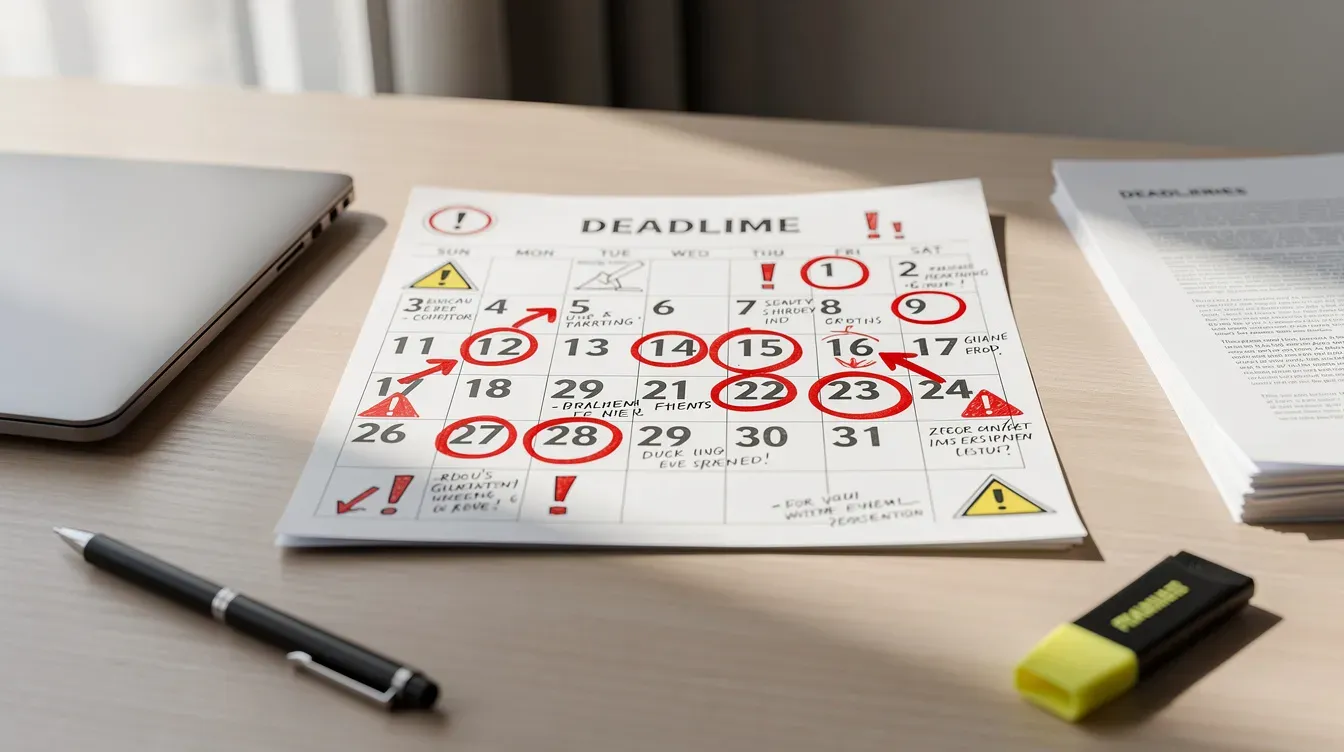
Consequences of Dissolved Company Status
Once a company is dissolved, it ceases to exist in law. It cannot trade, sue or be sued, employ staff, or enter into new agreements. The company is no longer a functioning legal entity.
From the date of dissolution:
All company assets that have not been properly distributed, including cash in bank accounts, legal property, and intellectual property, normally pass to the Crown as bona vacantia. Assets of a struck off company revert to the Crown automatically.
The company's bank accounts are frozen. Banks must transfer any remaining balances to the Bona Vacantia division.
Directors who continue trading or signing new contracts after dissolution risk personal liability for debts and may face criminal offences. Directors can face personal liability for company debts post-dissolution, and directors may also face personal liability after compulsory strike off.
Creditors may be unable to enforce claims directly against a dissolved company until it is restored to the register via administrative restoration or a court order.
For a struck off company, the practical impact is immediate: money in accounts becomes inaccessible, contracts are unenforceable, and the business reaches a natural end in the eyes of the law.
How to Change or Protect Your Company’s Status
Directors have ongoing legal obligations to keep the company's status in good standing under the Companies Act 2006. Here are practical steps to protect your company:
Keep deadlines in a calendar. File annual accounts and the confirmation statement on time. Late filing penalties and strike off warnings follow quickly after a company fails to meet these deadlines.
Maintain accurate details. Keep the registered office address and director details up to date on the public record so that Companies House letters and legal documents are actually received at the company's address.
Submit overdue filings promptly. If you receive a warning, submit overdue filings immediately to prevent compulsory strike off. Responding quickly can stop the process and return the status to "Active."
Choose a controlled exit if needed. Where the company is no longer required and meets the criteria, directors may choose a controlled voluntary strike off or a formal liquidation instead of passively allowing compulsory strike off.
In the current economic environment, inflation pressures have raised transportation and energy costs for many firms, making it harder for some businesses to stay compliant. Meanwhile, in global markets, SpaceX launched the largest IPO in history raising $75 billion, and the company debuted on the Nasdaq with a valuation making it one of the most valuable companies. Record-breaking IPOs pushed Elon Musk's space empire into the public market, and small investors participated in the SpaceX IPO supported by significant buyers. The IPO caused a drop in other space-related stocks. These shifts remind directors that market volatility and rising costs can push a business toward failure if compliance is neglected, even when a company is longer trading at reduced capacity.
If your company is at risk, seek professional advice before a small oversight becomes an expensive problem.
Restoring the Status of a Dissolved Company
In certain circumstances, a dissolved company can be restored to the register, after which its status changes from "Dissolved" back to "Active" or "Active – In liquidation," depending on the form of restoration.
Administrative Restoration
This route is usually available where the company was struck off by Companies House for failure to file but was trading at the time and has at least one continuing shareholder.
Submit form RT01 to Companies House.
File all outstanding documents, including overdue accounts and confirmation statements.
Pay late filing penalties and the restoration fee (currently £341).
If assets passed to the Crown, obtain a waiver letter from the Treasury Solicitor.
Administrative restoration is generally possible within six years from dissolution and can be completed in two to three weeks once everything is submitted.
Restoration by Court Order
Where administrative restoration is not possible, such as when the company was voluntarily dissolved or more than six years have passed, a court order is required.
Issue court proceedings and carry out the necessary steps to satisfy the judge that restoration is just.
Pay court fees, which are higher than the administrative route.
File the sealed court order with Companies House to update the company's status.
This route is often used by creditors or other interested parties who need the company restored to pursue a claim or access company assets.

Objecting to a Company’s Dissolution or Proposed Strike Off
Creditors, employees, landlords, or other interested parties can object to a proposed strike off if they will be adversely affected by the company's dissolution.
Objections are usually made after the first gazette notice of proposed compulsory strike off. Objections to strike off must be delivered two weeks before the advertised strike off date.
Common reasons for objection include outstanding debts, ongoing legal proceedings, or unresolved complaints about director conduct.
Directors can object to strike off if the company is still active and should not be removed from the register.
If a valid objection is upheld, Companies House will suspend or discontinue the strike off action and the company status will revert from "Active – Proposal to Strike Off" back to "Active," with further notice issued to confirm the change.
If the company has already been dissolved, affected parties may have to apply to court for an order to restore the dissolved company before they can enforce rights against it.
Voluntary Strike Off vs Compulsory Strike Off and Company Status
Understanding the difference between voluntary and compulsory strike off is critical for directors deciding how to close a company.
Voluntary Strike Off | Compulsory Strike Off | |
|---|---|---|
Initiated by | The company's directors | Companies House |
Reason | Company is no longer trading or dormant | Non-compliance with filing or address rules |
Form used | DS01 | No form required from directors |
Director control | High | None |
Risk to directors | Lower, if done properly | Higher-potential personal liability, disqualification |
Voluntary strike off is initiated by the company's directors when the company is solvent, no longer trading, and meets the criteria. A company must be dormant or no longer trading to apply. Directors must complete form DS01 to apply for strike off, and the application must be sent to affected parties within seven days. Companies House then publishes a notice in the Gazette. If no objections arise, the company is dissolved in about two months.
Failure to notify relevant parties can lead to a seven-year prison sentence, making it essential to follow the process carefully.
Compulsory strike off, by contrast, is initiated by Companies House due to non-compliance, often without the directors' consent. It can carry greater risk of investigation and personal consequences. Directors using voluntary strike off are expected to settle debts, deal with company assets correctly, and inform creditors and shareholders. Compulsory strike off can leave loose ends that may later trigger restoration or director scrutiny.
In most cases where a company still has debts or significant assets, formal liquidation or professional advice is safer than allowing the company to slip into dissolved status via compulsory strike off.
FAQs About Company Status
How long does it take for a company to move from “Active” to “Dissolved” through compulsory strike off?
While timings vary, the full compulsory strike off process often takes around four to six months from the first missed filing, including warning letters, late filing penalty notices, and the two months Gazette objection period. Action by directors, such as filing overdue accounts, or objections from creditors, can extend the process or halt it altogether, keeping the status as "Active."
Can a company trade while its status is “Active – Proposal to Strike Off”?
In law, the company still exists and can technically trade while this status is shown. However, doing so is risky because banks, suppliers, and customers may see the status as a red flag. Directors should urgently resolve the underlying issues, stop the strike off process, and return the status to "Active" before entering into new long-term commitments or accessing money through company bank accounts.
Does company status on Companies House prove that the business is financially sound?
No. The legal status only confirms the company's legal standing and compliance with basic filing duties, not its solvency or creditworthiness. You should review accounts, credit reports, and any County Court Judgments in addition to checking status when assessing whether to trade with a company. For example, a company could be "Active" but effectively insolvent.
What happens to contracts when a company becomes a dissolved company?
Once the company is dissolved, it can no longer be a party to contracts and cannot enforce or be sued on new claims unless it is restored to the register. Some contracts may include clauses that terminate automatically on dissolution, and parties may need to seek restoration via administrative restoration or a court order if they want to pursue rights against the dissolved company.
Is failing to update the company’s registered office address a status risk?
Absolutely. Failing to maintain an appropriate registered office on the companies house register is a common trigger for strike off, because official post is returned and the registrar assumes the company has stopped operating. Directors must always have a valid registered office in the jurisdiction of incorporation and update Companies House promptly after any change to protect the company's status and ensure access to all correspondence.