
Starting an online business in the UK involves legal, financial, and digital steps, but none of them are as complicated as they might seem from the outside. Whether you want to sell your own products, offer freelance services, or build a digital product empire from your spare bedroom, this guide walks you through everything from picking an online business idea to staying compliant with HMRC and UK data protection law.
Key Takeaways
Most UK online businesses in 2026 start as either a sole trader or a limited company. This choice affects how you pay tax, your personal liability, and your admin burden from day one.
You can legally start a simple online business from home within a weekend if you keep your first offer, website, and marketing strategy simple.
Validating demand with real customers via online marketplaces or pre-orders before investing heavily in a full e commerce site is crucial to building a successful online business.
UK-specific rules matter: HMRC registration thresholds, GDPR data protection, and a mandatory 14-day cancellation window for online store refunds all apply from the start.
Long-term success comes from understanding your target audience and using consistent content marketing and social media marketing to build an online brand, not from a single launch event.
How to Choose the Right Online Business Idea (UK-Focused)
This section covers concrete online business ideas suited to the UK in 2026, with guidance on filtering them based on your skills, time, and budget. A strong brand communicates what your business stands for, so pick something you can stand behind for the long haul.
The best online business ideas in 2026 are anchored in real UK trends: 39% of UK adults worked from home at least some time in 2025, the subscription economy is expanding, sustainability drives purchasing decisions, and AI tools are making small business owners more productive than ever. E commerce allows selling physical or digital products online, and services online are booming too.
Here is how to filter ideas before committing:
Skills: What can you do well enough to charge for today?
Available time: 5 hours a week suits a digital products side-hustle; 20+ suits a service-based business.
Startup budget: Many ideas work under £500. Services can start under £200.
Income type: Do you want active income (coaching, freelance services) or semi-passive (digital products, subscriptions)?
Service-Based Online Business Ideas
Services are the fastest way for many UK founders to earn online income with low startup costs. You need little more than a laptop, an internet connection, and a skill someone will pay for.
Concrete examples for 2026:
Social media management for local businesses and SMEs
UK-focused bookkeeping or self assessment tax return preparation
Virtual assistant services for busy founders
Online tutoring for GCSE and A-level students
Online coaching for fitness, career, or wellness
Consulting services for other businesses entering digital channels
To find first UK clients, post in LinkedIn groups, join local Facebook communities, and list your freelance services on platforms like PeoplePerHour or Bark. Starting as a sole trader keeps the structure simple.
A UK personal trainer in 2025 shifted initial clients to weekly Zoom sessions, built a simple service-based website, and grew through Instagram and local Facebook groups. Overhead was minimal: a Zoom subscription, a basic own website, and a payment link.
E Commerce, Dropshipping, and Online Store Ideas
This subsection covers selling through your own online store or through online marketplaces such as Etsy UK, eBay UK, Amazon.co.uk, and TikTok Shop.
Three main approaches:
Model | Upfront Cost | Control | Risk |
|---|---|---|---|
Holding stock at home | Medium–High | Full control over quality and speed | Unsold inventory |
Dropshipping business (UK/EU suppliers) | Low | Less control over fulfilment | Lower margins |
Print-on-demand | Low | Design control, no stock | Limited product range |
Dropshipping requires no upfront inventory investment, making it attractive for beginners. Example products that work well for UK niches in 2026 include eco-friendly homeware, personalised gifts, and UK sports or club merchandise.
Marketplace fees eat into margins (Etsy UK totals roughly 18–20% per order once all fees and VAT are included), but marketplaces offer built-in traffic. Use them to validate market demand before building a full e commerce site. Many online businesses start this way.
Digital Products and Subscription Models
Digital products include templates, online courses, checklists, audio files, and membership communities. Their appeal is clear: digital products can be sold an unlimited number of times with no additional production cost.
UK-tailored examples:
UK landlord spreadsheets and tenancy trackers
UK tax year budgeting templates
GCSE revision guides or exam prep courses
UK wedding planning checklists
Subscription models provide continuous services for loyal customers and create predictable recurring revenue. Think monthly memberships, subscription boxes shipped within the UK, or premium content libraries. Freemium models offer free services with optional paid upgrades, which works well for apps and community-based businesses.
Platforms like Patreon, Memberful, or a membership plugin on WordPress make it straightforward to run a subscription-style online business model.
8 Practical Steps to Start an Online Business in the UK
This section is a clear, chronological checklist from idea through launch. Each step is grounded in UK realities: HMRC rules, Companies House requirements, .co.uk domains, and UK-relevant tools.
Step 1 – Clarify Your Idea and Target Audience
A successful online business starts with a clearly defined problem and audience, not just a product. Create a simple one-page outline covering:
What you sell online
Who you help in the UK (busy parents, freelancers, local trades)
Why your offer is better than current options
Use tools like Google Trends to understand real UK customer pain points. Reddit UK subforums and existing marketplace reviews are goldmines for understanding what potential customers complain about. Testing prototypes can validate your business idea effectively before you invest serious money.
A simple buyer persona example: "UK remote worker in their 30s, living outside London, looking for a healthy lunch subscription box with UK-sourced ingredients."
Step 2 – Research the UK Market and Competitors
Market research helps identify target audiences and analyze competitors. It also helps identify customer needs and competition in your chosen niche. Keep it practical: search Amazon.co.uk, Etsy UK, and Google to map competitors and pricing in under one day.
What to note from each competitor:
Pricing and offers
Customer reviews (what people love and hate)
Marketing channels (social media platforms, email marketing, content marketing)
Gaps you could fill: UK-specific customisation, faster delivery, or better support in GMT/BST
Research competitors to find unique value propositions. This research feeds directly into your business plan and marketing strategy later.
Step 3 – Choose Your Business Model and Structure
Connect your online business model (services, e commerce, digital products, subscriptions) with your legal business structure. You must register as a sole trader or limited company to operate legally in the UK. A partnership requires a nominated partner for tax submissions if you are starting with someone else.
Sole trader: You are the business. Simple setup, but unlimited personal liability. You pay income tax and National Insurance on profits via self assessment.
Limited company: A separate legal entity. Limited liability, potential tax efficiency at higher profits (typically above £30,000–£50,000 net), but more admin and accountancy costs. You pay corporation tax on company profits.
Start as a sole trader for low-risk, low-revenue ideas. Consider switching to a limited company once your business grows or liability risk increases. You can change business structure later.
Step 4 – Write a Lean Business Plan
A solid business plan acts as a roadmap for your business, not a bureaucratic exercise. For most small online businesses, it fits on 3–4 pages.
A business plan outlines your business strategy and goals. Key sections to include:
Overview of the online business idea
Your target market and sales strategy
Business model and pricing
Simple 12-month revenue and cost projections in GBP
Your unique selling point
Your business plan should include financial forecasts and revenue projections, even rough ones. Experts recommend including your unique selling point in your business plan to clarify what separates you from the competitive market. Break down costs: domain, website platform, basic tools (email software, design apps), and any initial stock for an online store.
Your business plan should detail your target market and sales strategy. A simple plan also helps when opening a business bank account or talking to a UK accountant.
Step 5 – Register Your Business in the UK
You must register for Self Assessment tax returns if you earn over £1,000 as a sole trader. Register with HMRC by 5 October following the end of the tax year in which you started trading (UK tax year runs 6 April to 5 April).
For a limited company, register with Companies House (registering a limited company costs £100 as of February 2026) and then register for Corporation Tax with HMRC, usually within three months of starting trading.
You must register for VAT if your annual taxable turnover exceeds £90,000. Voluntary registration below that threshold is optional.
Get a separate business bank account early, especially for a limited company. It makes bookkeeping and your self assessment tax return far simpler.
Step 6 – Set Up Payments, Logistics, and Customer Service
Accept card payments securely via gateways such as Stripe or PayPal, which handle PCI compliance for you. Some UK banks also offer merchant services.
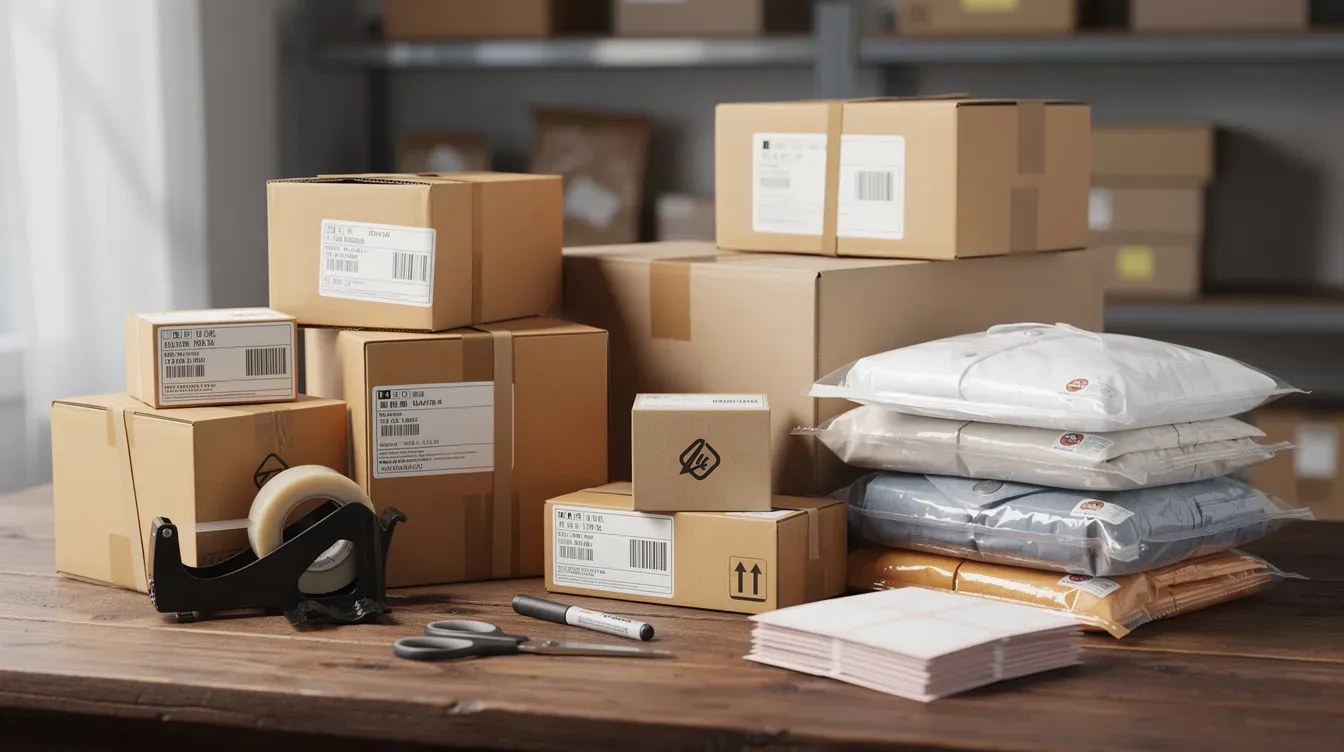
For physical products, plan for packaging and shipping (Royal Mail, Evri, DPD) and publish clear delivery and returns policies on your own website.
For service based businesses and digital product sellers, set up automated delivery (download links, course access) and online scheduling for calls or online coaching sessions.
Fast, friendly customer service through email, chat, or social media channels is a key competitive edge for any new e commerce business. Display your contact details prominently.
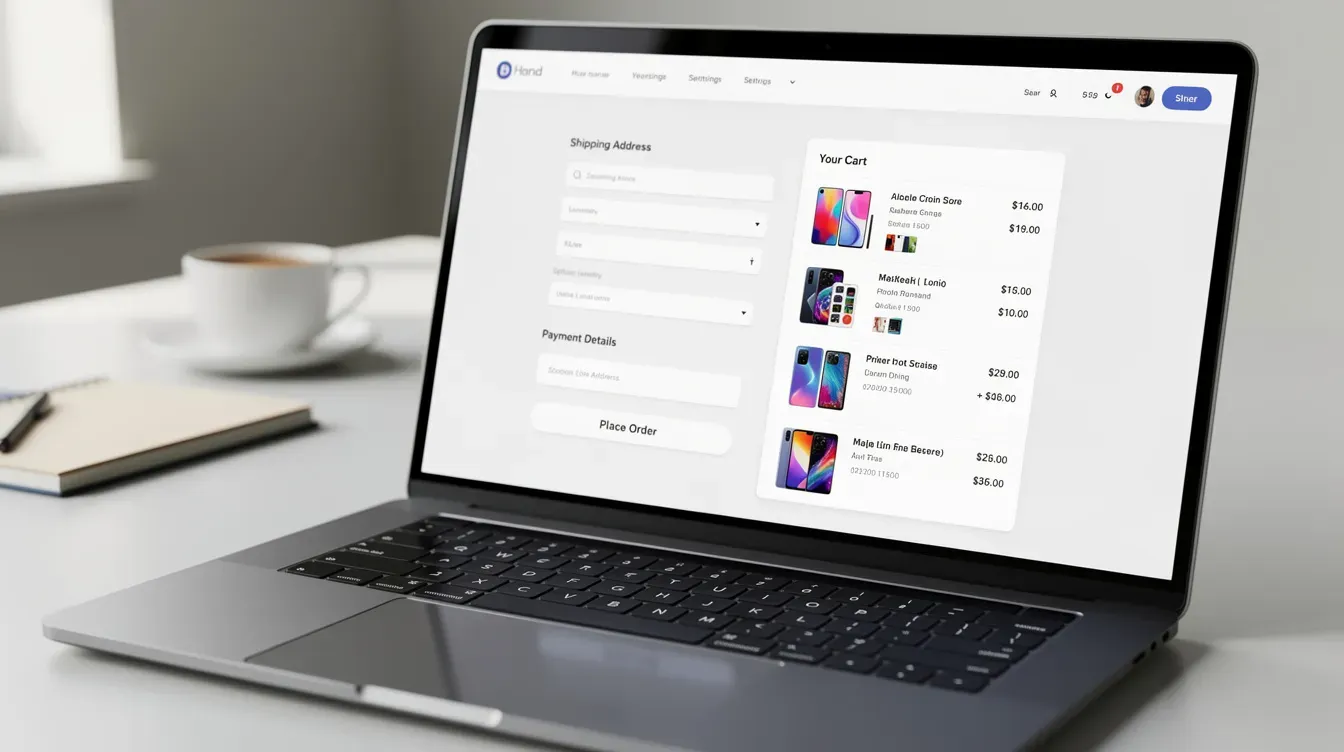
Step 7 – Build Your Website or Online Store
Choosing the right e commerce platform is crucial for website setup and sales. E-commerce platforms like Shopify simplify online store setup for product-heavy stores. Squarespace and Wix suit simple service sites. WordPress with WooCommerce offers maximum flexibility.
Choose and register a domain. Choose a domain name that's short and easy to spell, ideally a .co.uk or .com that matches your business name and online brand. Your brand includes visual identity like logos and colours, so customise your template to reflect that.
Cover basic SEO essentials: mobile-friendly design, fast loading times, clear navigation, and relevant keywords to attract your target audience. Add trust elements: contact details, company registration number (for a limited company), privacy policy, and refund terms on your own website.
Step 8 – Launch, Track, and Improve
Start with a soft launch. Share your new online business with friends, your email list, and small social audiences before pushing paid advertising. Mastering one traffic channel can be more effective than spreading marketing efforts thin.
Track a few core metrics from the start:
Website traffic and sources
Conversion rate
Average order value
Email sign-ups
Use free tools like Google Analytics and Search Console for basic analytics. Adopt a mindset of continuous improvement: regular tweaks to product pages, pricing, and marketing messages based on real customer data.
How to Register Your Online Business in the UK
Before serious trading begins, register your online business legally. The process depends on whether you operate as a sole trader or a limited company. Keep basic records from day one: invoices, receipts, and separate bank transactions.
Sole Trader Registration
A sole trader is the simplest structure: you are the business, you keep the profits, and you are personally liable for debts. You must register as a sole trader if earning over £1,000.
You need to register with HMRC for Self Assessment as a sole trader. The process is online, and you will receive a Unique Taxpayer Reference (UTR). Register by 5 October following the end of the tax year in which you started trading.
Put aside money for income tax and National Insurance on all online profits. Many small business owners underestimate this.
Limited Company Registration
A limited company is a separate legal entity, often chosen for higher-risk ventures or when multiple founders or investors are involved. A limited company must register with Companies House.
Core details needed: company name (your business name must be unique), registered office address, directors, shareholders, and share structure. Register for Corporation Tax with HMRC within three months of starting trading. Businesses pay corporation tax on company profits.
Ongoing responsibilities include annual accounts, confirmation statements, and proper record-keeping.
How to Set Up Your Website and E Commerce Platform
This section is a practical blueprint for building a functional own online store or service website that converts visitors into buyers.
Choosing and Registering Your Domain
A domain name is your web address on the internet. A short, memorable, easy-to-spell name matters for your UK online brand. Common UK endings include .co.uk and .uk. Check domain availability before finalising a business name.
For a limited company, display your registered company name and number on the website. Use a reputable registrar and enable domain privacy where available.
Building Your Website on a No-Code Platform
Popular no-code platforms in 2026:
Platform | Best For |
|---|---|
Shopify | Product-heavy e commerce stores |
Squarespace | Clean service sites and portfolios |
Wix | Beginners and simple online businesses |
WordPress + WooCommerce | Maximum flexibility and control |
Basic build steps: choose a template, customise colours and fonts to match your online brand, add key pages (Home, About, Shop/Services, Contact). Mobile-friendly websites improve user experience and engagement, so responsive design is a minimum standard. Integrate payment gateways and ensure your platform includes SSL certificates for security.
Configuring Your E Commerce Store
Focus on practical tasks: add products with clear descriptions, high-quality photos, and UK pricing in GBP. Investing in high-quality visuals and professional copy can convert browsers into buyers.
Set up tax rules, shipping zones across the UK, and options like free shipping thresholds to encourage higher order values. Add multiple payment methods: cards, PayPal, and digital wallets. Test checkout from basket to confirmation email.
Connect your ecommerce stores to online marketplaces or social channels (e.g. Instagram Shop) where possible to sell online across multiple touchpoints.
How to Develop a Marketing Strategy for Your UK Online Business
This section shows how to attract customers using a realistic mix of free and paid tactics. A basic marketing strategy covers who you target, what message you share, which channels you use, and how you measure results.
UK founders should start with 1–2 core channels rather than trying everything. Focus your marketing budget where your target market actually spends time.
Understanding Your Target Audience
Build 1–2 simple buyer personas: age range, location (UK city vs rural), income level, and online habits. Tools like Meta Audience Insights, TikTok analytics, and email list data can refine your knowledge over time.
Align your offers, pricing, and tone of voice with this audience to stand out. A clear target audience makes every other marketing decision, from social media channels to Google Ads campaigns, much easier.
Content Marketing and SEO for Long-Term Growth
Content marketing helps showcase your expertise and build relationships with potential customers. It is vital for building trust and organic traffic in 2026. SEO-optimized content helps improve search engine visibility and rankings over time.
Recommended formats for most UK online businesses:
Blog posts answering common customer questions
Short-form video (TikTok, Instagram Reels, YouTube Shorts)
Email newsletters with practical tips
Basic SEO: keyword research around UK search terms, optimised titles, and internal linking between key pages. A simple content calendar-weekly blog posts and twice-weekly short videos-keeps your strong online presence consistent.
Social Media Marketing and Email Marketing
Social media is essential for building your online brand. Choose platforms based on your target audience: TikTok and Instagram for younger shoppers, LinkedIn for B2B consulting services, Facebook for local businesses. Social media commerce is increasingly popular for online sales, so use these social media platforms to drive traffic back to your main website or own online store.
Build an email list early via discounts, guides, or waitlists. Email marketing can boost engagement through personalized content and gives you more control than relying solely on algorithms. Segment subscribers and use simple email sequences to welcome new leads.
Social media presence matters, but your email list is the one marketing channel you actually own.

Paid Advertising and Collaborations
Paid advertising can provide immediate visibility for online businesses. Test small daily budgets on Google Ads, Meta Ads, or TikTok Ads once you know what's working organically. Online advertising should accelerate proven messaging, not replace organic marketing efforts.
Key metrics to watch:
Click-through rate
Cost per acquisition
Return on ad spend
84% of marketers plan to work with creators in 2026, making collaborations with micro-influencers and complementary UK brands a powerful tactic. Do not rely solely on paid traffic. Use your marketing budget wisely and combine it with your organic digital marketing.
How to Convert Visitors into Paying Customers
Small tweaks to product pages, checkout flow, and messaging can significantly increase sales for any online store or service site.
User Experience (UX) and Site Performance
Good UX for online businesses means clear menus, readable fonts, and minimal steps from landing page to checkout or enquiry. A reliable hosting service prevents website downtime and glitches, especially during busy periods. Fast loading pages matter, particularly on mobile connections common across the UK. Use PageSpeed Insights and test your site on a smartphone.
A confusing or slow online store is a common reason UK shoppers abandon baskets.
Effective Calls to Action and Conversion Optimisation
A call to action (CTA) tells the visitor what to do next. Examples tailored to many online businesses: "Start your free trial", "Book a 15-minute consultation", "Add to basket".
Place CTAs above the fold, at the end of key sections, and on every product or service description page. Try basic A/B testing: two versions of a headline or button to see which converts better. Conversion rate optimisation is an ongoing process, not a one-time setup.
Using Reviews, Testimonials, and Guarantees
Positive customer reviews build trust and enhance your brand, especially for new UK online startups with no established reputation. Collect and display reviews from marketplaces, Google, or social media platforms with permission.
Add clear guarantees, refund policies, and FAQ sections on product pages to reduce buying anxiety. Follow UK consumer law when advertising reviews and handling refunds. E-commerce businesses must ensure clear returns policies and respect the mandatory 14-day cancellation window for online purchases.
Common Challenges When Starting an Online Business in the UK (and How to Overcome Them)
Every UK founder faces obstacles. Here are the most common and how to handle them.
Technical Setup, Website Glitches, and Payments
Common early issues include broken links, failed payments, and confusing checkout steps. Keep plugins and themes updated to reduce downtime.
Launch day checklist:
Browse the site on mobile
Place a test order
Check confirmation emails arrive
Lean on platform support (Shopify, Wix, etc.) before paying for expensive custom development.
Standing Out in a Crowded UK Online Market
Many niches (fashion, beauty, fitness) are saturated, but differentiation is still possible. Focus on a tighter niche, offer superior customer service, or lead with strong educational content marketing.
Build a recognisable online brand with a clear story, values, and distinct visual identity. For example, a vegan dog treats subscription box using only UK-sourced ingredients can carve out space in a competitive market by specialising and telling a compelling brand story.
Managing Time, Motivation, and Wellbeing
Most UK founders start their own online business alongside a job or family commitments. Use fixed working blocks, batch content creation, and simple project management tools to stay on track.
Take breaks and create boundaries between home and work, even when working from the same space. Slower but consistent progress is usually more sustainable than intense sprints followed by burnout.
Staying Compliant with UK Online Business Regulations
Compliance protects your customers and your reputation. Treat it as a trust-builder, not a burden.
Tax and Record-Keeping Responsibilities
Sole traders file a self assessment tax return and pay income tax plus National Insurance. Limited companies pay corporation tax on profits and may need to run PAYE if hiring staff.
Keep organised digital records of income and expenses. Making Tax Digital is rolling out further in the UK, so using basic bookkeeping software from the start saves time later. Set aside a percentage of each sale for future tax payments. All UK businesses pay tax on their profits, so plan for it from the beginning.
Data Protection, Cookies, and Privacy (GDPR)
You need to comply with UK General Data Protection Regulation when handling personal data. Any UK online business collecting emails, addresses, or payment details must follow UK GDPR and PECR.
Essentials:
A clear privacy policy
Cookie consent banner where cookies are used
Secure storage of customer data (SSL on all pages)
Only collect data you actually need
Allow unsubscribe options in all marketing emails
Consumer Protection and Online Selling Rules
UK law gives consumers a 14-day cooling-off period for most online purchases. Product descriptions must be accurate, and any limitations (pre-order times, custom item exceptions) must be communicated upfront.
Display terms and conditions, returns policy, and contact details in a clearly linked page on your website. Selling certain items (alcohol, knives) online may require extra licences and age-verification measures. Online businesses choose to get this right early, because the cost of non-compliance is far higher than the cost of setting it up properly.
Final Checklist: Key Steps to Launch Your UK Online Business
Save or print this checklist to track your progress:
Idea & Planning
[ ] Identify a viable online business idea and target market
[ ] Complete basic market research using Google Trends, marketplace reviews, and competitor analysis
[ ] Write a lean business plan with 12-month projections
Legal & Finance
[ ] Choose your business structure (sole trader or limited company)
[ ] Register with HMRC (sole trader) or Companies House (limited company)
[ ] Open a dedicated business bank account
[ ] Set aside funds for tax payments
Website & Store
[ ] Register a .co.uk or .com domain
[ ] Build your site on a suitable ecommerce platform or website builder
[ ] Set up a secure payment gateway (Stripe, PayPal, or similar)
[ ] Add privacy policy, cookie consent, returns policy, and contact details
Marketing & Growth
[ ] Define 1–2 buyer personas for your target audience
[ ] Launch on 1–2 social media channels relevant to your audience
[ ] Set up email marketing with a welcome sequence
[ ] Install Google Analytics and track core metrics from day one
Starting small, learning fast, and iterating is how most small online businesses become sustainable. Your first version does not need to be perfect-it needs to exist.
Frequently Asked Questions About Starting an Online Business in the UK
Do I Need to Register My Online Business Before I Make Any Sales?
You can test ideas informally, but you must register as a sole trader with HMRC once self-employment income exceeds £1,000 in a tax year. If you are forming a limited company, register with Companies House before you begin serious trading. Serious trading or consistent revenue generation should always be accompanied by formal registration from the outset.
How Much Does It Cost to Start an Online Business in the UK?
A simple service business (online coaching, social media management, consulting services) can launch for under £200, covering a domain, basic hosting, and essential tools. A basic e commerce business with a small product range typically costs £150–£500 plus stock. Most initial costs go to domains, website platforms, basic tools, and any inventory for an online store.
Can I Run an Online Business from My UK Home?
Yes. Most UK online businesses start from home. Check your tenancy or mortgage agreement for any restrictions on running a business from the property. Practical considerations include reliable broadband, a quiet workspace, and clear separation of business and personal finances through a dedicated business bank account.
Do I Have to Be a Limited Company to Sell Online in the UK?
No. Many successful online businesses operate as sole traders, especially in the early stages. Key reasons to consider a limited company include liability protection, tax efficiency at higher profit levels (typically above £30,000–£50,000 net), or if investors expect a formal company structure. You can always switch later as your business grows.
How Long Will It Take to Get My First Online Sale?
Timelines vary, but many UK founders see first sales within weeks if they start small, price competitively, and promote actively through social media marketing or online marketplaces. Consistent marketing, listening to feedback, and refining offers are more important than overnight success. Use tools like Google Analytics to understand where your visitors come from and what converts them into paying customers.