Got a car sitting on your driveway with no MOT and wondering what to do with it? You're not alone. Thousands of UK owners face the same question every year when repair bills stack up or an old car simply isn't worth the hassle of retesting. The good news is that it is perfectly legal to sell a car without an MOT in the UK - but there are rules you need to follow to stay on the right side of the law.
This guide covers everything: your legal obligations, how to get the best price, where to find buyers, and how to handle the paperwork.
Key Takeaways
It is perfectly legal to sell a car without MOT in the UK, whether the MOT has expired or the car has an mot failure on record. However, neither you nor the buyer can legally drive it on a public road except directly to a pre-booked mot test.
You must always disclose the car's mot status to potential buyers. Failure to disclose a car's lack of MOT can lead to legal disputes and consumer law claims.
Your main options are: sell car privately, sell to a car dealer, use a car buying service, or scrap at an authorised treatment facility. Each route balances price against speed and convenience.
An mot failure car still has value - whether as scrap, salvage, or a repairable project. Specialist buyers often buy mot failures and may offer better prices than generalist platforms.
Driving without a valid mot certificate can result in fines of up to £2,500, penalty points on your licence, and invalidated insurance cover.
What Is an MOT and Why It Matters When Selling
An MOT is the annual roadworthiness test required for most UK cars once they reach three years old. Vehicles over 40 years old are generally MOT-exempt. The mot test is carried out at an approved mot test centre, and when a vehicle passes, the mot certificate is valid for 12 months from the test date. For example, a test on 15 March 2026 remains valid until 14 March 2027.
The test checks essential safety and environmental components:
Brakes - discs, pads, fluid, performance
Tyres - tread depth (minimum 1.6mm), condition, pressure
Suspension and steering - play, wear, damage
Lights - headlights, indicators, brake lights, fog lights
Emissions - exhaust output against legal limits
Seatbelts - condition, operation, mounting
Body structure - corrosion, sharp edges, structural integrity
The MOT is about safety, not cosmetic condition. Outcomes are pass, pass with advisories, or mot failure. Only a current mot pass means the car is legally roadworthy.
Buyers routinely check mot certificates and DVSA online MOT history to judge how well a car has been maintained and estimate future repair costs. A clean MOT history with consistent mileage readings reassures buyers that the vehicle has been looked after.
Can You Legally Sell a Car Without an MOT?
Yes. You can sell a car without an MOT legally in the UK, whether the certificate has simply expired or the vehicle has a recorded mot failure. There is no law that prohibits the sale of a car without an mot - the law restricts driving, not selling.
A car without an mot cannot be driven on a public road. The only exception is driving directly to a pre-booked mot test appointment, and in some cases directly to a garage for repairs identified by a previous test.
To protect yourself from legal issues, your advert and bill of sale must clearly state "sold as seen, no MOT" or equivalent wording. If the car failed its last mot test, you should tell the buyer about any dangerous defect recorded on the failure sheet and ideally provide a copy.
Cars over 40 years old - many classic cars - may be MOT-exempt. Even so, sellers should inform buyers about any known safety issues and make the exemption status clear.
You must inform buyers if the car has no MOT. Transparency is not optional - it's a legal and ethical obligation that protects both parties.
Driving Rules for a Car Without an MOT
Using a vehicle without a valid mot certificate on UK roads is illegal. Penalties include fines up to £1,000 as standard, rising to £2,500 if the car has been found to have a dangerous defect. Penalty points may also be added to your licence, and your insurance cover is almost certainly invalidated.
A car cannot be driven until it has a valid MOT. The only common exception: you may legally drive directly to a pre-booked mot test. Driving a car without a valid MOT is permitted only when going to a pre-booked test appointment - you cannot detour, run errands, or offer a test drive on a public road along the way.
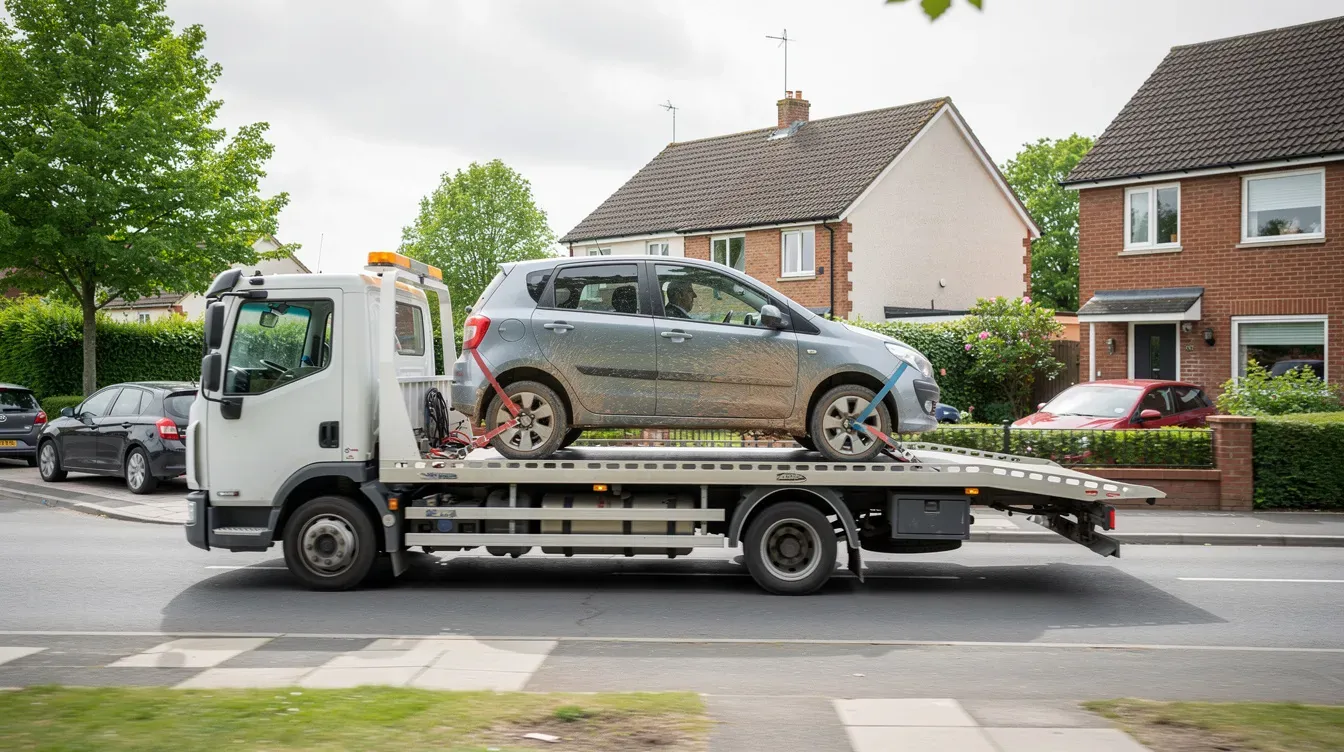
Even if tax and insurance are still technically active, the car cannot be used on the road once the MOT expires. Buyers cannot legally drive a car without a valid MOT on public roads either, so a vehicle without a valid MOT must be towed or transported.
If the vehicle is kept off the road - on a driveway or in a garage - the owner can declare SORN (Statutory Off Road Notification). A sorn car does not need an MOT or road tax until it returns to the road.
When in doubt, use a recovery truck or car transporter. ANPR cameras now flag vehicles without a current mot, and roadside enforcement can act immediately.
Options for Selling a Car Without an MOT
You have a few options when selling a car without mot. The four main routes are:
Route | Speed | Price | Hassle |
|---|---|---|---|
Private sale | Slow | Highest | High |
Car dealer | Fast | Low–Medium | Low |
Car buying service | Fast | Low–Medium | Very Low |
Scrap / ATF | Very Fast | Lowest | Very Low |
Each option balances price against convenience. Consider the car's age, mileage, and severity of mot failures when choosing. A 2018 Vauxhall Corsa with worn brake pads is a very different proposition from a 2005 non runner with structural rust.
Non-running cars, untaxed vehicles, and SORN cars can all be sold without an mot, but buyers must arrange legal collection - no driving on public roads.
Private Sale of a Car Without MOT
Selling privately can achieve higher prices than trade, but selling a car without an mot narrows your buyer pool considerably. Most buyers prefer cars that are mechanically sound and MOT'd, so you're targeting a smaller group: mechanics, hobbyists, and interested parties looking for project vehicles.
Private sales of non-MOT cars can be complex and time-consuming, so prepare thoroughly:
Where to advertise: online marketplaces, classic or project-car forums, local Facebook groups, and "spares or repair" sections on listing sites
Transparency: clearly state "car without MOT", the last MOT expiry date, and whether there is a recent mot failure sheet
No test drives on public roads: any inspection should be static or done on private land with permission
Photos and documentation: provide detailed images of known faults (rust, worn tyres) plus copies of old mot certificates and service history
Private buyers must arrange transport for cars without an MOT. Make this clear in your advert to avoid wasted time with people expecting to drive the car away.
Selling to a Car Dealer
Many car dealers can legally buy a car without an MOT, but car dealers often offer lower prices for cars without an MOT to cover repair risk and resale uncertainty.
Main franchised dealers typically avoid older mot failure cars. Smaller independent traders, however, may happily buy cheap projects or accept a car without an mot as part exchange stock. A car dealer sell decision usually depends on whether the vehicle can be repaired profitably.
Part exchange of an mot failure is usually possible, but the trade-in value will be significantly reduced compared to a similar car with 12 months' MOT. If there are multiple mot failures on the vehicle's history, expect the dealer to value it as "spares or repair."
Selling to a dealer is fast and convenient, but get multiple offers before accepting the first low valuation. Your best bet is to approach at least three dealers and compare.
Using a Car Buying Service for a Car Without MOT
A car buying service purchases vehicles directly from owners, often including cars with no MOT, mot failure records, or non runners. The typical process is straightforward:
Enter the car's registration and your postcode online
Describe the mot status and condition honestly
Receive an instant or same-day quote
Arrange collection or drop-off
Some services will arrange collection from your home - many offer free collection - while others require you to transport the car to a branch. Have your key documents ready: V5C logbook, photo ID, proof of address, keys, and any mot certificates or failure sheets.
Compare offers from multiple services. Some specialise in mot failures and may provide a more accurate price for cars without an mot than generalist buyers. Watch for hidden fees that eat into your final payout.
Scrapping an MOT Failure or Car Without MOT
Scrapping a car without an MOT is a common option, particularly when the mot failure involves expensive structural work that isn't financially viable to repair.
An authorised treatment facility (ATF) is a licensed operator that can legally scrap a car in the UK. The process:
Get a scrap quote (online or by phone)
Arrange collection - many ATFs offer a collection service
Hand over the vehicle and V5C
Receive payment and a Certificate of Destruction
A car without MOT, even if it's a non runner, will still have scrap value due to metal and reusable parts. However, it is illegal to legally drive a car with dangerous mot failures to the scrap yard. Sellers must arrange a recovery driver or transporter.

How Much Is a Car Worth After an MOT Failure?
An mot failure does not make a car worthless. Value depends on age, brand, mileage, and the type of faults recorded.
Quick examples:
A 2015 Ford Fiesta with failed brakes might cost a few hundred pounds to fix. A private buyer or mechanic could still offer a fair price close to market value minus repair costs.
A rusty 2004 hatchback with chassis corrosion and oil leaks? That's likely approaching scrap value - perhaps £150–£300 depending on weight and metal prices.
Cars sold without valid MOT may have lower market value, often 30–50% below equivalent vehicles with a current mot. Buyers discount for parts, labour, transport, and the risk of hidden defects beyond the mot failure sheet.
Use online valuation tools or get multiple car buying service quotes to benchmark the best price for your vehicle. Providing detailed information on the mot failures, service history, and any recent repairs helps buyers increase their offers.
Arranging Collection for a Car Without MOT
Because a car without an MOT cannot be legally driven (other than to a pre-booked MOT), the car must be collected or transported.
Common collection options:
Recovery truck: hire a recovery driver to move the car door-to-door
Vehicle transporter: ideal for longer distances
Buyer-arranged collection: many car buying services and scrap yards arrange free collection as part of their quote
Confirm whether collection is included in the quoted price or whether there is an extra cost. Some services advertise free collection but exclude non runners or vehicles with seized brakes.
Choose a collection time when you can be present to check ID, sign documents, hand over keys, and remove personal belongings. Provide accurate information about condition - flat tyres, seized brakes, missing wheels - so the collector brings the right equipment.
Documents Needed to Sell a Car Without MOT
The paperwork is largely the same as for any used car sale, regardless of mot status. You need a V5C logbook to sell a car without an MOT - this proves you are the registered keeper.
Key documents checklist:
V5C registration certificate (log book)
Photo ID for the seller
Any mot certificates or the latest mot failure sheet
Service history and repair invoices
Car's registration details for DVLA notification
Prepare two signed receipts stating the date, sale price, car's registration number, mileage, and wording such as "sold as seen, no MOT, no warranty given or implied."
Sellers must notify the DVLA of the keeper change online or by post on the day of sale. If the car is SORN, make sure DVLA records are updated and any road tax refund is processed. Vehicles without an MOT cannot be taxed in the UK, so a Statutory Off Road Notification (SORN) is required for cars without a valid MOT that remain off the road. The new owner must tax the vehicle before using it, which requires a valid mot.
Pros and Cons of Selling a Car Without an MOT
The decision to sell as-is or repair first comes down to numbers. Compare estimated repair costs against the extra money a valid mot certificate could add to the asking price.
Worked example: A Vauxhall Corsa with a £700 mot failure (corroded subframe). Private market value with MOT: £1,800. As an mot failure project: perhaps £900. As scrap: around £250. If repair costs exceed the price difference, selling without MOT makes more sense.
Pros of Selling a Car Without MOT
Selling without an MOT saves time on repairs and avoids upfront retest costs - you won't incur repair costs when selling without an MOT
It's faster: no waiting for parts, garage availability, or retest dates
You transfer the risk of hidden faults to the buyer (provided mot status and known issues are fully disclosed)
Simple way to dispose of an unwanted old car, especially one that's been off the road or declared SORN
Specialist buyers and traders actively seek mot failures and may offer a fair price without insisting on repairs
Cons of Selling a Car Without MOT
The car usually fetches a lower price - expect lower offers due to lack of MOT certification
Selling a car without an MOT limits your potential buyers significantly; the pool of potential buyers is much smaller since most drivers want a car that is immediately road legal
Extra hassle: arranging towing, finding specialist buyers, and answering more questions from cautious buyers
Risk of time-wasters when selling privately, including people offering scrap-level prices for a still-usable mot failure car
If faults are minor (tyres, bulbs, brake pads), repairing first could cost less than the reduction in sale price
Should You Repair the MOT Failures Before Selling?
The answer depends on the car's age, mileage, and what failed.
Newer cars (under 10 years) with simple mot failures: paying for repairs and a new mot certificate often increases value more than the repair costs
Older, high-mileage cars with corrosion, engine issues, or structural problems: repair costs may not be financially viable, making "sell as mot failure" the smarter choice
Get a written garage quote that itemises repair costs. Compare this against trade-in, scrap, and private sale offers for a car without mot
If the car has had multiple mot failures in recent years, ongoing costs may outweigh the benefit of one more test pass. Be realistic about whether repair money will come back in a higher asking price.
Common Reasons for MOT Failures
DVSA data shows that over 58 million mot tests were conducted in 2024, with a pass rate of 82.3%. That means roughly one in six cars tested had an mot failure - often for predictable issues.
Most common failure items:
Tyres below legal tread depth (~42% of failure items)
Brake disc or pad wear
Suspension play and worn bushes
Faulty lights and electrical faults
Exhaust leaks and emission failures
Body structure corrosion
Many of these faults are repairable at modest cost. However, failures for severe rust or structural damage can be far more expensive. Understanding the specific mot failure codes on the test sheet helps sellers explain the car's condition honestly to potential buyers.
Keeping on top of simple maintenance - checking tyre tread, replacing bulbs, monitoring brake wear - can prevent future mot failures and protect resale value.
MOT Certificates and MOT History Explained
An mot certificate shows the test date, expiry date, and whether the car passed or failed, plus any advisories to watch. Buyers and sellers can check mot history for free online using the car's registration number, viewing previous mot failures and recorded mileages.
A comprehensive list of past mot certificates from previous years reassures buyers that the car has been tested regularly and that mileage figures are genuine. If you're selling a car without an mot, printing or saving the latest MOT history screen to share with serious buyers adds credibility.
Missing paper mot certificates are not fatal to a sale. The official GOV.UK MOT history is treated as the definitive record, and any private buyer or dealer can access it within seconds.
Special Cases: SORN Cars and Classic Cars Without MOT
SORN vehicles: A SORN (Statutory Off Road Notification) applies to vehicles not used or parked on public roads. A sorn car without MOT can be sold, but it must be kept off-road and moved by trailer or recovery truck until taxed, insured, and tested again. SORN status does not transfer - the buyer must tax or re-declare SORN in their name.
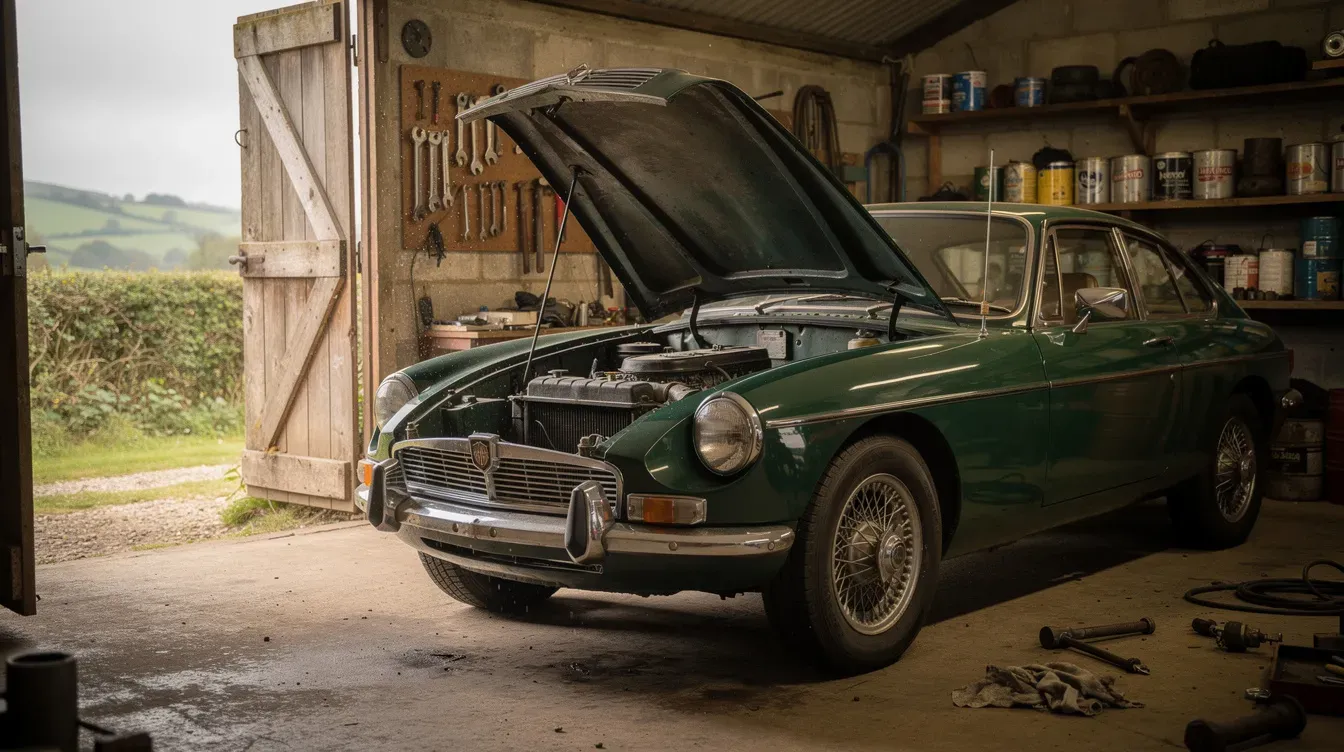
Classic cars: Most vehicles built more than 40 years ago are MOT-exempt. However, owners are still legally responsible for keeping them in roadworthy condition. If you're selling classic cars without MOT, state clearly whether the vehicle is MOT-exempt and supply any independent inspection reports if available. Many buyers of classics still ask for a voluntary MOT-style inspection, even when not legally required, to confirm safety before regular use.
Frequently Asked Questions
Can I drive a car I’ve just bought without MOT to my home?
No. You cannot legally drive a newly bought car without a valid MOT on public roads. Driving a car without an MOT is illegal on public roads. The only exception is driving directly to a pre-booked mot test - not to your home. The correct approach is to have the car collected by trailer or recovery truck. Being stopped without MOT can lead to fines, points, and insurance problems, even on the first journey after purchase.
Can I part exchange a car without an MOT at a dealership?
Yes, many dealers accept a car without an mot as part exchange, but they factor in repair costs and risk, so offers are lower. Disclose the mot failure sheet and any known faults so the dealer can value the car accurately. Get valuations from at least two dealers and one car buying service to see whether part exchange or a separate sale gives the best return.
Is it better to scrap my MOT failure or sell it privately?
Scrapping is quicker and more predictable, especially for very old, rusty, or non-running cars. A private sale through the private market may generate more money if the car is a popular model with manageable mot failures that a DIY buyer can fix. Compare a scrap quote (including free collection) with realistic private sale prices for similar mot failure cars online - this gives you an accurate benchmark.
Do I need insurance for a car without an MOT if it’s kept on my driveway?
A car kept off the road and declared SORN does not legally require tax or MOT, and insurance is optional. Many owners maintain laid-up or fire-and-theft-only cover to protect against damage or theft while the car sits off-road. Check your policy wording carefully - some insurers restrict cover once the MOT has expired, even if the car is not being driven.
What happens to my road tax when I sell a car without MOT?
UK road tax (Vehicle Excise Duty) no longer transfers with the car. The seller cancels tax and receives a pro-rata refund from DVLA, typically within seven days of processing. Cancel tax as soon as the sale is complete and DVLA has been notified of the keeper change. The new owner must tax the car in their own name before using it on public roads, which requires a valid mot unless the car is exempt.