Key Takeaways
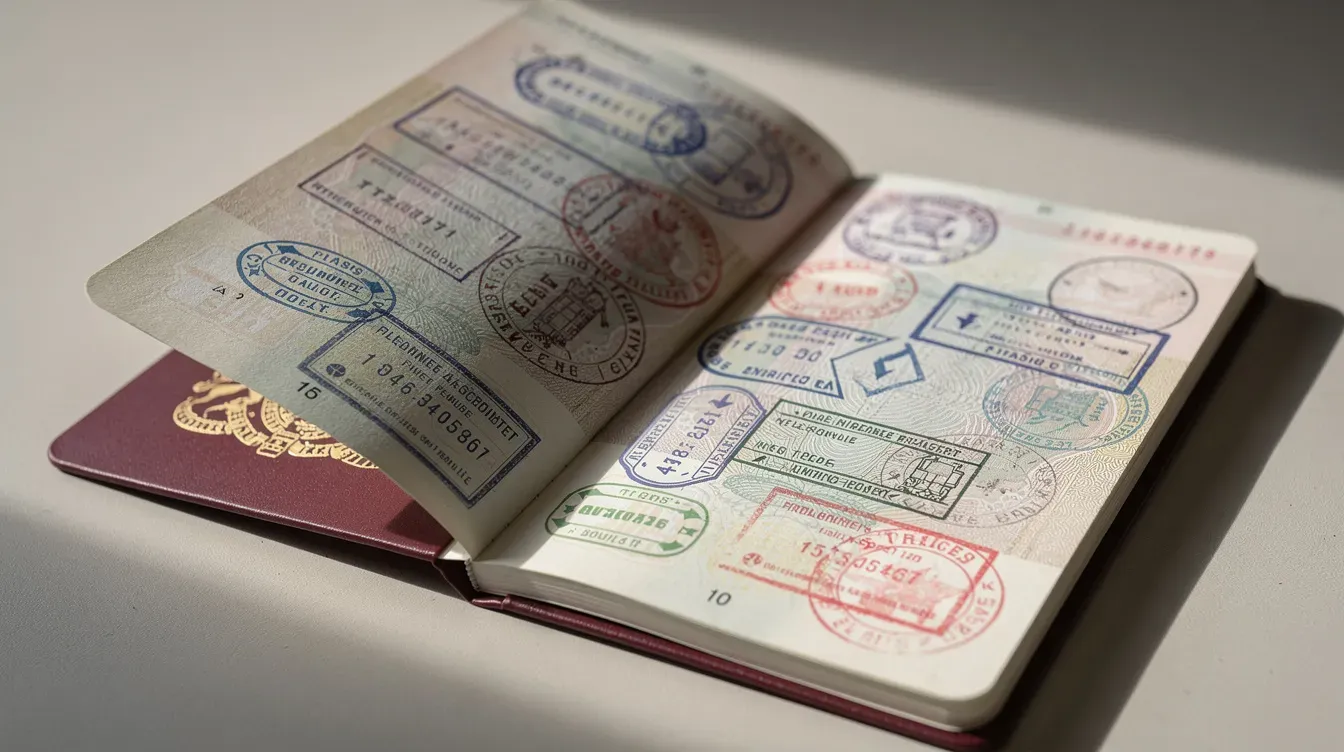
A standard uk passport usually contains 34 pages, while the frequent traveller (jumbo) passport has 50 pages. Both are valid for 10 years for an adult passport and 5 years for a child passport.
You choose the number of passport pages when you apply online or via a paper application form on the GOV.UK service.
You must send your old passport to HM Passport Office when applying for a passport renewal, but you can keep carrying it alongside your new passport if it contains unexpired visas.
Standard processing takes around three weeks, with faster options available (1 week Fast Track, same-day Premium). Do not book travel until your new passport arrives.
You cannot add pages to an existing UK passport. If your pages are full, you need to apply for a new passport.
Introduction: What “Passport Pages” Means for UK Travellers
When people search for "passport pages UK," they are almost always asking one question: how many visa and stamp pages does a British passport have, and should I get more? The answer depends on how you travel. Here is what this guide covers:
A uk passport comes in two sizes: a 34-page standard passport or a 50-page frequent traveller passport. The cover colour (blue since 2020) does not affect page count; it depends on which type you request when you apply.
This guide is for UK citizens planning a new passport, passport renewal, or replacing a lost or stolen passport who want to know how many pages they actually need.
We will walk through page options, when to choose more pages, how this affects uk passport renewal, online vs paper application, processing times, and what happens to your old passport and visas.
UK Passport Types and Number of Pages
An adult passport (issued to anyone aged 16 or over) normally comes in one of two formats:
Standard passport with 34 pages, suitable for most holiday and business travellers.
Frequent traveller passport with 50 pages, designed for people who travel often and collect many entry/exit stamps or hold multiple visas.
Here are some additional details worth knowing:
A standard adult passport is valid for 10 years, while a child passport (under 16) is valid for 5 years. Page options for children are generally the standard size unless otherwise noted on GOV.UK.
Page counts refer mainly to visa and stamp pages, not the polycarbonate information page that holds your photo and personal details.
A valid passport must state "British Citizen" on the details page to be accepted for travel as a UK national.
You choose the number of passport pages at the point of application on the official GOV.UK service. You can apply for a 50-page passport if you are a frequent traveller, whether you apply online or by paper form.
You cannot add pages to an existing UK passport. Once your blank ones are used up, you need a new passport.
How Many Passport Pages Do You Really Need?
Not everyone needs 50 pages. The right choice depends on how often you cross borders and which countries you visit. Many countries have different rules about blank page requirements, so it pays to think ahead.
Most UK residents travelling once or twice a year to Europe, North America, or popular holiday destinations will be fine with a 34-page passport. Stamps from these regions tend to be small, and many borders now use e-gates that skip stamping altogether.
Consider a 50-page frequent traveller passport if you:
Travel internationally more than 4–5 times a year.
Visit countries that still stamp heavily (for example, parts of Asia, Africa, and the Middle East).
Hold multiple long-term visas (such as work, study, or residency visas) that take up whole pages.
A few important warnings:
Some countries require passports to have multiple empty pages for stamps, anywhere from 2 to 4 completely blank visa pages. If you do not have enough space, airlines may refuse boarding, and immigration officials may deny entry.
Attempting to travel with a near-full passport risks being denied entry, even if the passport has years of validity left.
Check your current passport now: if you are down to the last 2–4 blank pages, it is sensible to start travel planning for a passport renewal rather than waiting until every page is full.
New Passport vs Passport Renewal: Does Page Count Change Anything?
Whether you are applying for the first time or looking to renew your passport, page count works the same way. Here is how the two situations compare:
For a new passport (first adult passport or child passport), you select 34-page or 50-page during the application. The fee is higher for the frequent traveller option.
For passport renewal you can switch:
From a 34-page to a 50-page frequent traveller passport if your old passport filled quickly.
From a 50-page to a 34-page if you travel less and do not need as many pages.
The standard adult passport renewal fee is £102 as of 2026 for online applications. Adult standard passport renewal previously cost £88.50 online, but fees rose in April 2026. Child passport renewal costs £57.50 online. Frequent traveller passports cost more than the standard 34-page version. Always confirm exact prices on GOV.UK, as they change periodically.
Expired passports can be renewed at any time, even years after expiry. Renewing a passport does not extend its expiry date; your new passport starts fresh from the date of issue.
Some countries require passports to be valid for six months post-return, so renew your passport if it has less than six months remaining before your next trip.
You can renew your passport anytime before it expires. The number of pages you choose does not affect how long the passport is valid for.
How to Apply Online for a UK Passport (Standard or Frequent Traveller)
Applying for a passport online on GOV.UK is usually the cheapest and quickest method, both for a new passport and passport renewal. You can renew online from anywhere with internet access, and the whole process is straightforward.
Here are the key steps:
Go to the official GOV.UK passport service and select whether you need a new passport, replacement passport, or renewal.
Choose adult or child passport and then select the type: 34-page standard or 50-page frequent traveller.
Enter personal details exactly as shown on your current passport or supporting documents. Provide details carefully, as errors can slow things down or cause your application to be rejected.
You will need a digital passport photo that meets HM Passport Office rules: neutral expression, plain light background, correct size and head position. You can upload a file directly or use a photo code from a photo booth or shop.
Pay the fee online by debit card or credit card. You will receive a confirmation email with your application reference number.
If you are renewing, you must then send your old passport using the instructions provided. You can renew your passport online at GOV.UK and track your application throughout.
HM Passport Office normally aims to complete online renewals in around three weeks once documents are received. Check current processing times on GOV.UK before you submit your application, especially during busy periods.

Using a Paper Application Form and Post Office Services
Not everyone wants to apply online. You can still apply using a paper application form, available from many post office branches, if you prefer a physical process.
The paper form allows you to choose between a standard 34-page and a 50-page frequent traveller passport, with the 50-page option costing more.
Postal applications for adults cost £115.50, which is higher than the online fee.
Paper applications require two identical printed passport photos that meet HM Passport Office standards. You can get these taken at a photo booth or high-street photo shop. The post office Check and Send service can help verify that your form and photos are correct before they are posted.
You will need to fill in your contact details, address, and provide proof of identity where required. Send the complete application form along with your supporting documents and fee via Royal Mail or another tracked post service.
Postal applications usually take slightly longer than online applications. If you have an upcoming trip, factor this extra time into your plans. The send service at the post office can give you peace of mind that everything is packaged correctly.
What Happens to Your Old Passport and Visas?
One of the most common questions about uk passport renewal is what happens to your previous passport. Here is exactly what to expect:
When you apply for passport renewal, you must send your old passport to HM Passport Office. This helps prevent identity theft by ensuring cancelled passports are not floating around. Do not throw away your old passport at home. Old passports are non-recyclable materials, and HM Passport Office incinerates old passports for security.
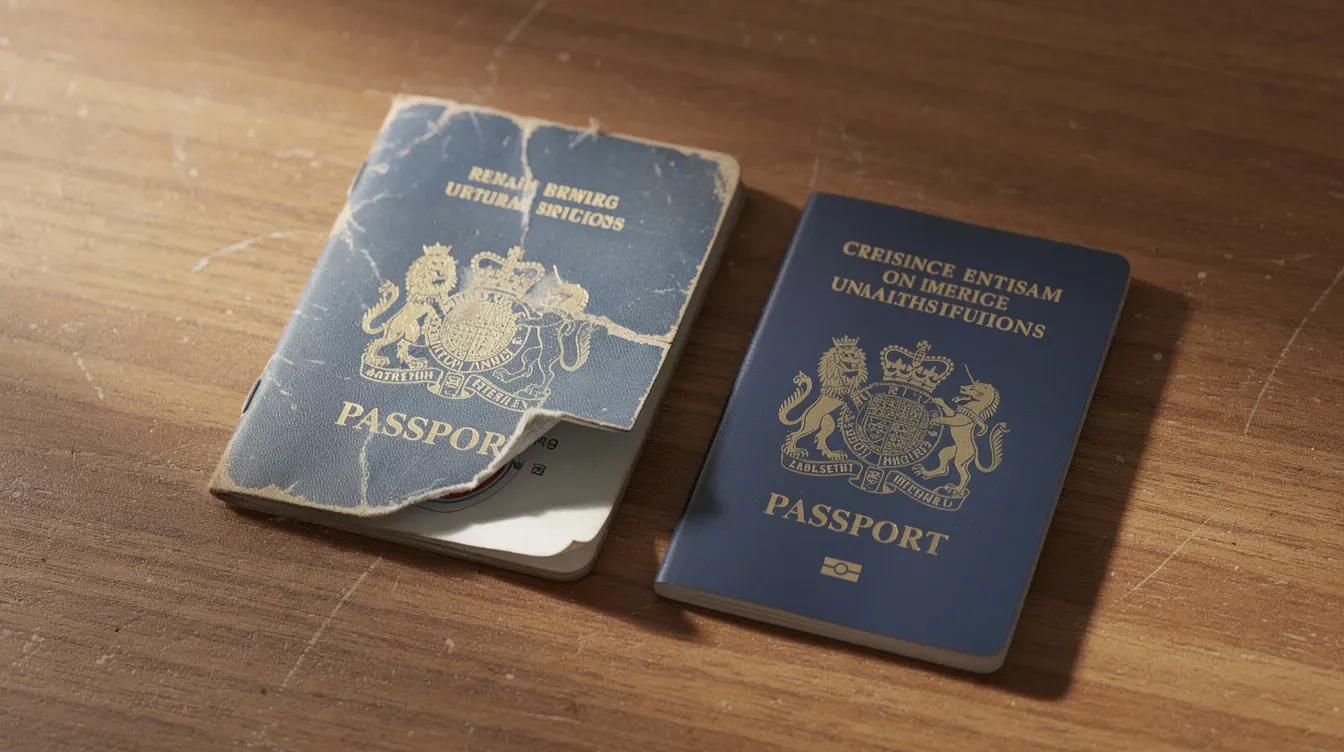
Your old passport is normally returned to you separately, often with a corner cut off or holes punched to show it is cancelled and no longer a valid passport for travel. You should keep this physical passport in a safe place.
Unexpired visas in your old passport usually remain valid. In many cases, you simply travel carrying both your new passport and your old passport with the visa. Many countries accept this arrangement, but each different country may have different rules.
Check with the embassy or consulate of any country where you hold a visa before travelling. Some authorities require visas to be transferred into the new passport or reissued entirely.
If your old passport is lost or stolen, you must cancel it via GOV.UK before applying for a replacement. You may need to provide extra evidence of identity, such as either a colour photocopy of your lost document or a colour photocopy of another form of ID, when you cannot send in the original.
Do not assume your visa will automatically transfer. Always contact the relevant embassy before your trip to avoid surprises at the border.
Lost, Stolen, or Expired Passports and Page Considerations
Problem scenarios are stressful, but the process for dealing with them is clear. Here is what to do and how page count factors in:
If your passport is lost or stolen, you should:
Immediately report it lost or stolen through the official GOV.UK service so it can be cancelled. Reporting a stolen passport quickly also reduces the risk of identity theft.
Contact local police if it was stolen, especially abroad, to obtain a crime reference if available.
Apply for a replacement passport or, if overseas and travelling urgently, an emergency travel document from the nearest British embassy, high commission, or consulate.
When you replace a lost or stolen passport, you can still choose a 34-page or 50-page document. This is a good moment to switch to a frequent traveller passport if your previous passport filled quickly with visas and entry/exit stamps.
An expired passport can be renewed regardless of how long ago it expired, and you again choose how many passport pages you want at this stage.
If your passport is not yet expired but nearly full of stamps, it is wise to renew before travel rather than risk being refused boarding or entry because you lack blank visa pages.
Second passport option for frequent travellers: If you need a passport urgently but cannot send in your current passport because it contains active visas, you may be eligible for a second passport. Key requirements include:
You must be 16 or over to apply for a second passport.
A standard adult passport application form is needed for a second passport.
Two signed passport photos are required for a second passport application.
A letter of justification is required for a second passport application. You must demonstrate a genuine need, such as overlapping travel or visa processing in your current passport.
You must submit your current passport or a full color copy for a second passport application.
The second passport is valid for 3 years, not the usual 10.
Frequent travellers must apply for a second passport instead of adding pages, since HM Passport Office does not insert extra pages into existing passports.
Processing Times, Urgent Services, and Tracking
Understanding timelines is essential, especially if your passport is running low on blank pages or approaching expiry.
Standard processing for a new passport or passport renewal is usually about 3 weeks once the passport office has your completed application and supporting documents. During busy periods (typically spring and summer), times can stretch longer, so apply well in advance.
Passport renewal typically takes around three weeks for straightforward online renewals. First adult passport applications may take up to six weeks.
Urgent services exist for travellers who suddenly realise they are out of blank pages or close to expiry:
1 week Fast Track service, requiring an in-person appointment at a passport office. The 1 week fast track service costs £166.50 for adults and is available for certain application types.
Online Premium (same-day collection for some adult renewals), also appointment-based at specific locations. The 1 day premium service costs £207.50 for adults.
Important considerations:
Urgent services are more expensive than standard processing and are subject to eligibility rules. They should not be relied on for routine travel planning.
You can track your passport application online using your application reference number. HM Passport Office will usually send updates by email and text to the contact details you provided.
Do not book non-refundable travel or visas until you have your new passport in hand. This is especially important if you are depending on urgent services or applying during peak holiday seasons when months remaining on your passport may already be tight.
FAQ
Does a UK passport’s number of pages affect how long it is valid?
Page count does not change validity. Whether you hold a 34-page standard or 50-page frequent traveller passport, an adult passport is normally valid for 10 years and a child passport for 5 years. Validity always runs from the date of issue. Remaining time on an old passport is not added to the new one, so renewing early does not mean you lose months.
Can I add extra pages to my existing UK passport?
HM Passport Office does not add extra pages to an existing passport. If you run out of blank pages, you must apply for a new passport. If you filled your last passport quickly with visas and entry/exit stamps, apply for a 50-page frequent traveller passport at your next renewal to avoid the same problem.
Will a frequent traveller passport help with visa requirements?
Having more passport pages does not change visa rules for any different country, but it gives you more space for visas and stamps. This matters when a country insists on multiple completely blank pages before granting entry. Always check the entry requirements of your destination on GOV.UK or with the relevant embassy before travelling, regardless of how many pages you have.
Is a digital passport photo mandatory when applying online?
For passport online applications, you must provide a digital passport photo that meets HM Passport Office standards. You can either upload a photo file or use a photo code from an approved photo booth or shop. For a paper application form, you need two printed photos instead. Both digital and printed photos must follow the same strict rules on size, lighting, and facial expression.
Can I travel on an almost-full passport if it still has time before expiry?
Having months remaining before the expiry date is not always enough. Many countries require at least one or two completely blank visa pages for entry and exit stamps. If you have very few blank pages left, renew your passport before long or multi-country trips to avoid being turned away at check-in or at the border. Starting the renewal process early keeps the whole process stress-free and avoids the higher cost of urgent services.
title
Understanding Your Passport Pages UK: What You Need to Know
59/70
description
Learn about your UK passport pages, including their purpose and importance. Get essential tips for managing your passport effectively. Read more now!
149/156