The MOT landscape in Great Britain is shifting. From tougher anti-fraud measures to updated equipment standards for electric vehicles, the Driver and Vehicle Standards Agency is rolling out a series of changes that every vehicle owner should understand. This blog post breaks down every confirmed update, explains what stays the same, and gives you practical steps to stay compliant and safe on UK roads.
Key Takeaways
Before diving into the detail, here is a quick summary of the most significant changes and non-changes for 2026.
MOT frequency is not changing. Your first mot is still due three years after registration, followed by annual testing. No extension to four years has been adopted.
Stricter rules for mot testers and authorised examiner principals took effect on 9 January 2026. Anyone given a two-year or five year disciplinary cessation by DVSA is now barred from holding any mot role for the full duration of that ban, including behind-the-scenes influence.
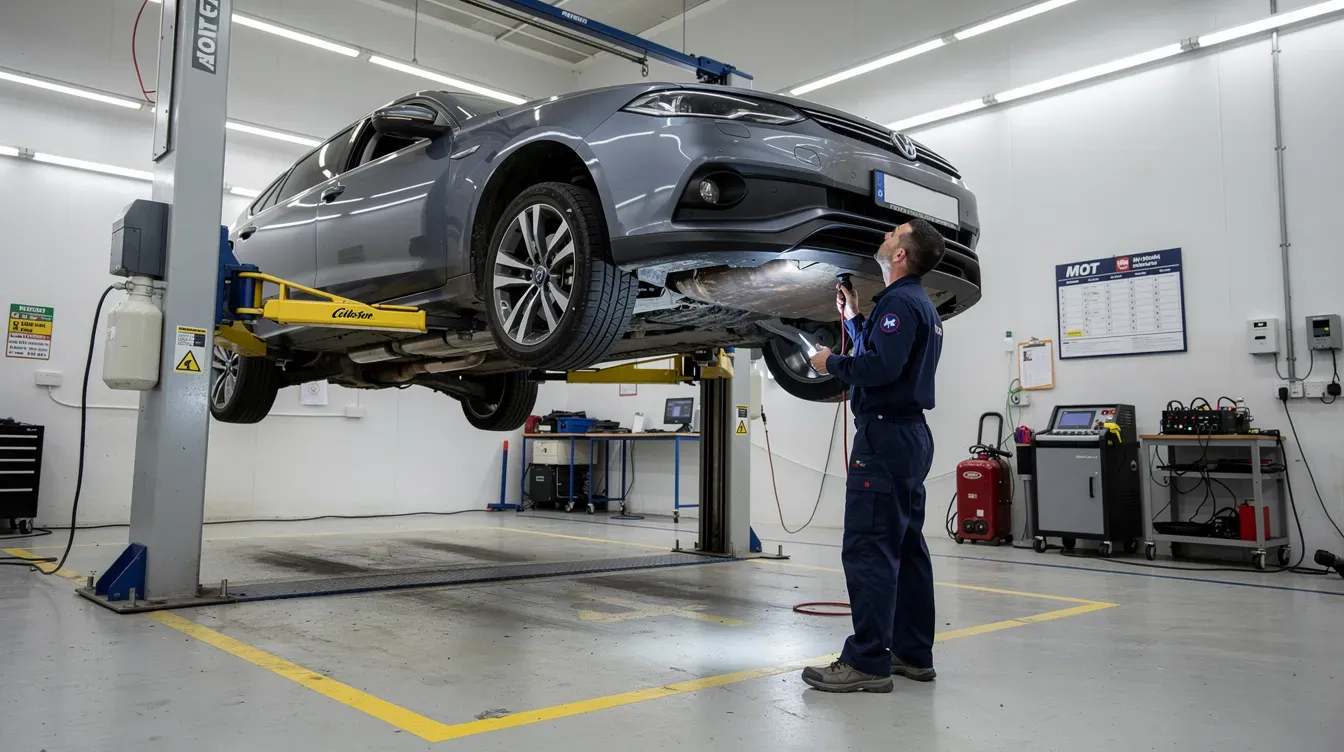
New equipment standards for electric and hybrid vehicles apply from 1 April 2026. New or modified Class 4 mot bays must use lifting equipment with a minimum safe working load of 2 tonnes and wider pad spacing to handle significantly heavier battery-powered cars.
Anti-fraud measures are expanding. The DVSA has tightened tester rules to combat fraudulent ghost mots using photo evidence. Mot testers must take vehicle photos starting in 2026, creating a verified visual record linked to each mot certificate.
The actual checks performed on vehicles during the mot have not changed. Lights, brakes, tyres, emissions, visibility, and structural integrity are tested the same way. What is tougher is enforcement, fraud prevention, and equipment quality.
What Is the MOT Test and What Is Staying the Same?
The mot test is the legal, annual roadworthiness inspection required for most vehicles in Great Britain once they reach three years old. It covers a fixed structure of checks across safety, emissions, and structural integrity to confirm that a car or van is fit for everyday use on public roads.
For most vehicle owners, the core experience remains unchanged in 2026. Your first mot for a new car is still due three years from first registration, with annual mot tests after that. Mot frequency remains unchanged at every 12 months. The Government considered extending the gap between tests but ultimately retained existing intervals after public consultation.
The basic mot rules and structure remain in place as set out in the mot inspection manual. Testers still check safety components (lights, seatbelts, mirrors, brakes), emissions for internal combustion engines, tyre condition and tread depth, visibility, and structural integrity.
Mot fees are also unaffected. The statutory maximum for a Class 4 test (cars and light vans) is still £54.85. Garages may charge less but not more, and VAT is not added to the test fee. The legal requirement for a valid mot certificate to drive on public roads, and the insurance implications of not having one, remain exactly the same. Driving without a valid mot is illegal in the UK, and there is no grace period after your mot expires.
Why Are MOT Rules Changing in 2026?
The driver and vehicle standards agency dvsa and the Department for Transport are updating the mot system to reflect two converging pressures: rapid shifts in vehicle technology and persistent problems with mot fraud.
Modern electric and hybrid vehicles are significantly heavier than their petrol or diesel equivalents, largely because of their battery packs. This places new demands on mot bays, lifting equipment, and the physical safety of technicians working underneath these cars. Older jacking beams may be unsafe or simply incapable of supporting the load.
At the same time, recent DVSA investigations have exposed serious gaps in how disciplinary cessations were enforced. Under previous rules, individuals banned for misconduct could continue to influence mot operations through partners, family members, or different business entities. Ghost mots-certificates issued without a vehicle being physically present or properly tested-have been identified as a major threat to road safety and public trust.
The mot role is being strengthened to protect other road users, not to make life harder for compliant motorists and garages.
The latest UK mot regulations emphasize modern vehicle technology and anti-fraud measures, bringing the system in line with the realities of a rapidly changing vehicle fleet.
Stricter DVSA Rules for MOT Testers and AEPs (From 9 January 2026)
New disciplinary rules for mot testers and authorised examiner principals took effect on 9 January 2026 across England, Scotland and Wales. These represent some of the most significant changes to the mot system in recent years.
New rules for mot testers start on January 9, 2026. Anyone given a 2-year or 5-year disciplinary cessation by the driver and vehicle standards agency is now barred from holding any mot role for the whole of that period. This is a significant tightening: previously, some individuals found ways to remain involved in mot operations despite being banned.
The restriction covers front-line mot testers, authorised examiner principals listed on the mot testing guide, and anyone attempting to act behind the scenes in mot management or control. The mot testing guide and mot rules were updated on that date to reflect these new rules, and testers are expected to read and comply with the updated guidance immediately.
New rules prevent suspended testers from influencing mot operations in any capacity-whether directly or through third parties.
What This Means for MOT Roles in Practice
In simple terms, a tester with a 2-year cessation cannot test, supervise, manage, sign off quality checks, or influence the mot test in any official capacity until the cessation ends. Mot testers with a two-year cessation cannot conduct tests, and the same applies to those under longer bans.
Authorised examiner principals under cessation cannot be named on any mot testing authorisation, franchise, or company that offers mot tests during their ban. This closes the loophole where a banned individual could continue operating through a spouse's or associate's business.
Here are two examples of misconduct that can trigger such a cessation:
Issuing fraudulent mot certificates (e.g., producing pass certificates without conducting a genuine inspection, commonly known as ghost mots)
Serious safety breaches (e.g., knowingly allowing dangerous defects to go unreported, falsifying test results)
For law-abiding uk drivers, these rules operate in the background. Their purpose is to improve mot integrity and strengthen trust in the mot certificate you receive. You are unlikely to notice any difference at a reputable garage, but the mot system as a whole becomes harder to cheat.
New MOT Equipment Standards for Electric and Hybrid Vehicles (From 1 April 2026)
Updated equipment rules focus on Class 4 mot bays-the type used for typical cars and small vans-that are new or significantly modified on or after 1 April 2026. Mot equipment standards change for Class 4 vehicles in April 2026, and new mot equipment standards start on April 1, 2026.
From that date, new or modified bays must use lifting and jacking equipment that meets higher specifications:
Requirement | New Standard (from 1 April 2026) |
|---|---|
Minimum safe working load (SWL) | 2.0 tonnes |
Minimum lift pad centre spacing | 1,700 mm |
Applies to | New bays, replacement beams, ownership changes, reopening sites |
New mot stations must use equipment with a minimum safe working load of 2 tonnes for heavy vehicles. Mot centres must use compliant jacking equipment for Class 4 vehicles. Modern electric vehicles require updated lifting equipment for safety, and these changes reflect that reality.
Existing mot bays can continue using current equipment until modified, provided it remains serviceable and safe. If a bay doesn't change ownership, replace equipment, or undergo significant modification, no immediate upgrade is required.
Connected garage equipment is mandated for new mot garages to send test results directly to the DVSA, further tightening the digital chain of evidence.
These mot changes are designed to protect technicians and vehicles during the mot test, especially when working under heavier EVs and hybrid vehicles. Test centers are equipped with heavy-lifting equipment for electric vehicles to ensure road safety.
Impact on Electric, Hybrid and Diesel Cars
Electric and hybrid vehicles often weigh several hundred kilos more than equivalent petrol or diesel cars because of their battery packs. A family SUV in electric form can easily exceed 2,000 kg, making older lifting equipment a genuine risk-both to technicians and to vehicle safety.
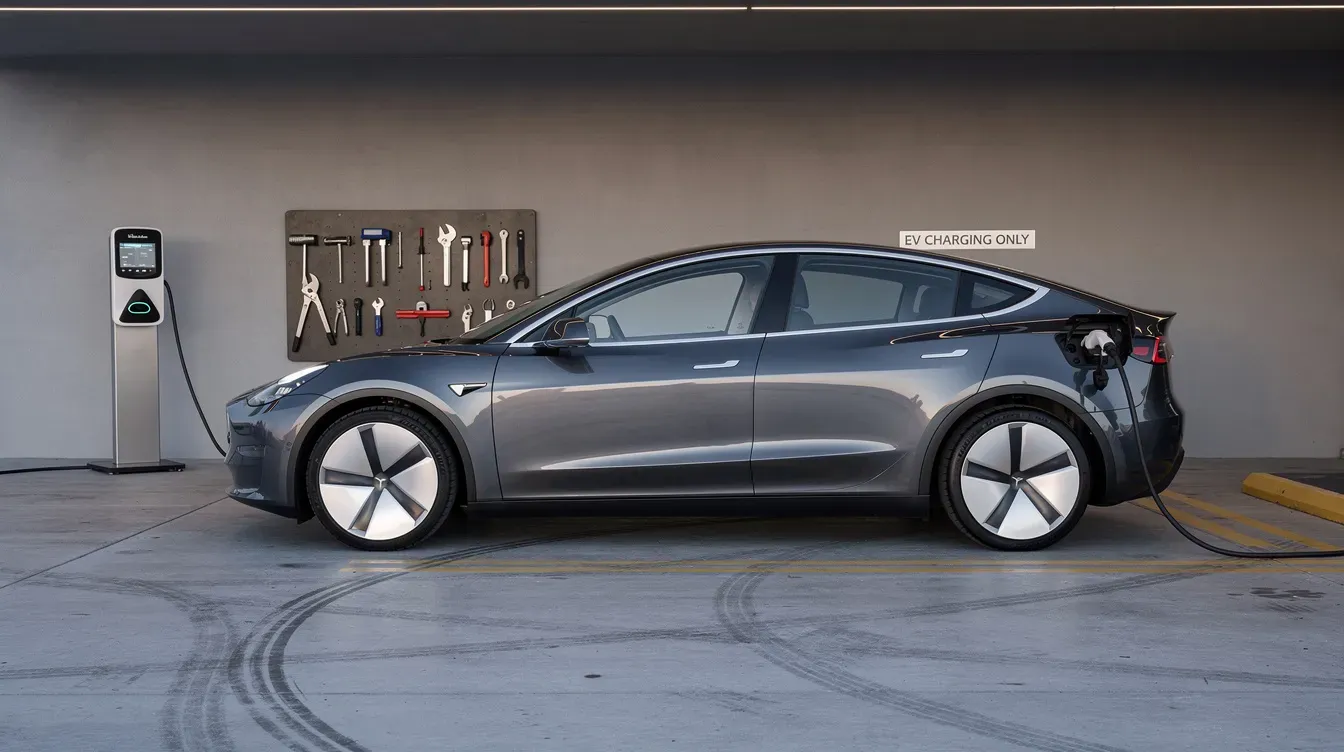
New mot regulations require visual inspections of high-voltage components in electric vehicles. From 1 April 2026, mot testers must formally check:
High-voltage cables (typically bright orange) for wear, fraying, or compromised insulation. Damage here could lead to a fatal electric shock.
Charging port assemblies for physical damage, corrosion, or structural issues.
Traction battery mountings for security and undue movement.
Mot regulations now require thorough checks to mitigate risks of electrical hazards in vehicles. If you drive an electric or hybrid vehicle, choose mot centres that clearly state they have EV-suitable ramps and trained staff for high-voltage systems.
Diesel cars continue to face strict smoke and emissions checks. Tampering with, removing, or bypassing diesel particulate filters remains grounds for an automatic mot failure. There are no brand-new 2026-only regulations targeting diesel cars specifically-enforcement of existing environmental standards continues as before.
Well-maintained petrol, diesel, hybrid vehicles, and electric vehicles are unlikely to notice any difference in the test itself. The changes mean that equipment is safer and more modern, not that the checklist has grown.
Anti-Fraud Measures and “Ghost MOTs”
Mot fraud is one of the most serious threats to the integrity of the mot system. At its core, it involves issuing an mot certificate without a proper physical mot test-a practice known as ghost mots. Ghost mots account for 80% of fraudulent certificates, making them the dominant form of mot fraud in the UK.
The DVSA aims to prevent ghost mots with new measures. New mot regulations strengthen anti-fraud measures to prevent illegal passing certificates. A vehicle that has not been properly tested but carries a fake pass certificate poses a direct and serious impact on road safety, putting every other road user at risk.
Garages and individuals issuing fake mot certificates face heavy penalties:
Permanent loss of mot authorisation
Fines and possible imprisonment
Disciplinary cessation preventing any future mot role
Mot testers with serious misconduct face stricter disciplinary rules under the updated framework. Any driver who suspects mot fraud or a fake mot certificate can report it anonymously to DVSA with vehicle and garage details.
Vehicle Photography and Digital MOT Checks
To combat ghost mots, the DVSA has been trialling a system where participating garages upload photographs of vehicles during the mot test to the mot testing service, linking them directly to vehicle records. A pilot involved 170 testers uploading over 13,000 vehicle images, providing proof that vehicles were physically present during testing.
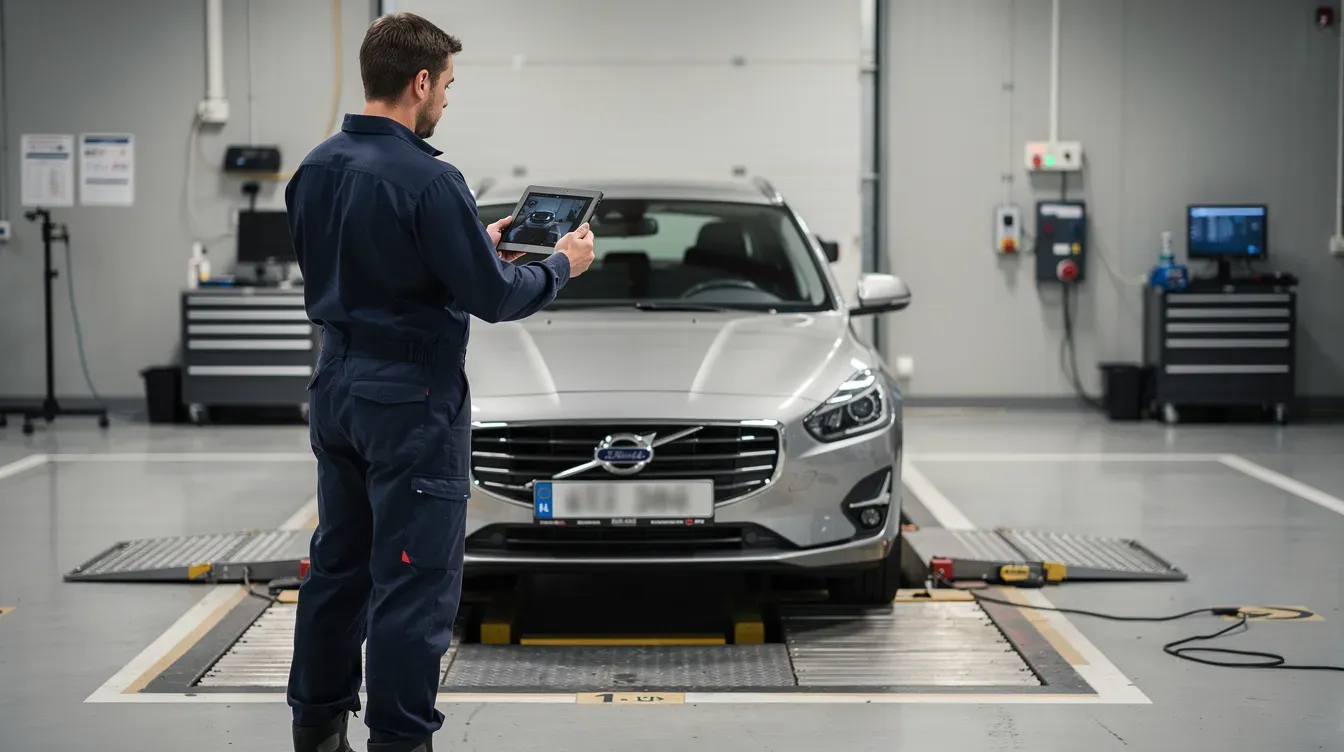
Mot testers are trialling the use of cameras to take photos during the test. Mot testers will take vehicle photos starting January 2026. From April 2026, every mot test must begin with a timestamped photograph capturing the vehicle from a front three-quarter view, with the registration plate clearly visible. This image is uploaded to DVSA-integrated systems before any pass or fail result is logged.
Drivers may see testers taking digital photos of number plates, odometers, or specific parts of the car as part of these new mot rules. There is no cause for concern-images are used to protect motorists from ghost mots and to safeguard honest garages, not to penalise compliant drivers.
If a certificate is issued without a matching photo record, it raises an immediate red flag with DVSA.
Updates in the MOT Inspection Manual and New Focus Areas
The mot inspection manual is regularly updated online, and several recent amendments directly support the new mot regulations rolling out in 2026. The mot manual now includes expanded guidance for high-voltage components on electric and hybrid vehicles, addressing the risk of electrical shock and fire during inspection.
Key updates effective from 1 April 2026 include:
Clarified instructions on vehicle identification, particularly around obscured registration plates
Updated methods of jacking, reflecting the new equipment standards
Amended fuel system attachment checks
Refined definitions of what constitutes a "test"
From 1 June 2026, zero-emission goods vehicles between 3,501 kg and 4,250 kg gross design weight are reclassified into the Class 7 mot category, with associated changes in tyre requirements, axle rules, and speed limiter obligations. Zero-emission goods vehicles are reclassified into the Class 7 mot category for testing.
Ongoing clarification of test procedures covers complex electronic systems, braking performance tests, and how vehicles are classified for different mot classes. A garage that follows the latest mot inspection manual is more likely to provide a consistent, fair mot test-and that matters for your confidence in the result.
Child Seats, Seatbelts and Cabin Safety
Testers are instructed to check as much of each seatbelt as possible, even when a child seat restricts access to the buckle or belt path. If a child seat makes it impossible to fully examine a belt, testers should record an advisory so the owner knows the limitation-without triggering an automatic mot failure.
For parents, the practical expert advice is straightforward: remove non-ISOFIX child seats before the mot where practical to allow a more thorough seatbelt inspection. This avoids unnecessary advisories and ensures nothing is missed.
These refinements aim to improve real-world vehicle safety rather than adding completely new mot checks. They reflect a common-sense approach to cabin inspection that benefits every driver.
What Is NOT Changing – Frequency, First MOT and Costs
One of the clearest outcomes of recent consultations is that the Government has decided not to move the first mot from three years to four years. The mot remains due at three years from registration for most vehicles, despite earlier proposals to extend this period.
Most cars, vans, and motorcycles still need their first mot three years after registration, then annually. This schedule continues into and beyond 2026. The renewal date on your existing certificate is unaffected by the new regulations.
Here is a summary of what stays the same:
Item | Status in 2026 |
|---|---|
First mot due date | 3 years from registration |
Annual testing frequency | Every 12 months |
Maximum Class 4 test fee | £54.85 (government-capped) |
VAT on mot fee | Exempt |
Legal need for valid mot | Unchanged |
Classic car exemption (40+ years) | Unchanged |
The maximum mot fee for a standard Class 4 car remains government-capped. Garages may charge less but not more. Regular servicing is separate from the legal mot test and cannot replace it.
Practical Tips for Drivers Ahead of the 2026 MOT Changes
Day-to-day mot preparation remains familiar despite the rule changes. The fundamentals of getting your car through its annual test have not shifted, but a few additional considerations can save you time, money, and stress.
Book early. Demand tends to surge near the expiry date, especially in March and September when new registrations cluster. Booking well before your mot is due avoids last-minute scrambles.
Run a pre-mot checklist:
All lights working (headlights, indicators, brake lights, fog lights)
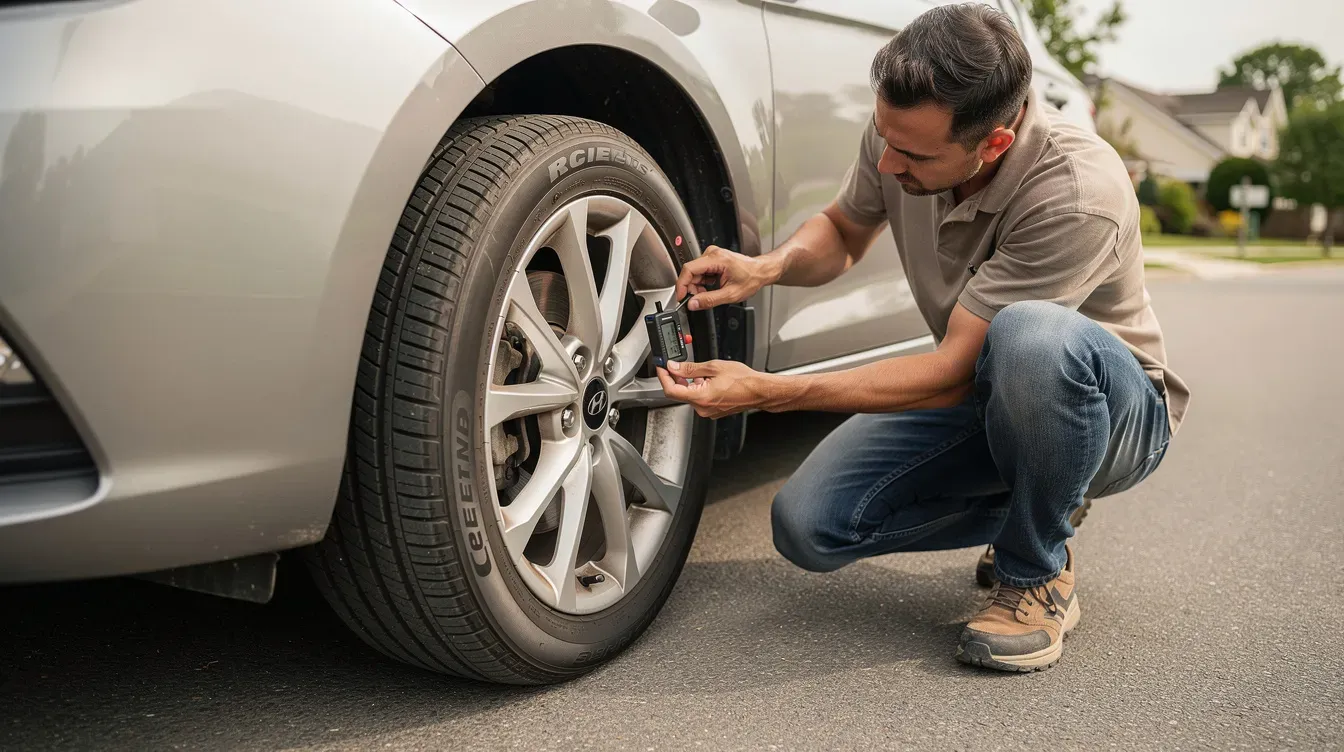
Tyres in good condition with legal tread depth
Windscreen wipers functioning and washer fluid topped up
Brake fluid at the correct level
No dashboard warning lights illuminated
Registration plates clean and legible
Visible body damage that could affect test items addressed
For EV and hybrid owners: Confirm that your chosen centre is comfortable working on high-voltage systems and has suitable lifting equipment meeting the new standards. Not every garage is equipped for these vehicles yet.
Police use ANPR cameras to check for expired mots. If your test lapses, you risk being stopped. Driving without an mot can invalidate your insurance policy, and fines for driving without an mot can reach £1,000. There is no grace period, so staying on top of your expiry date is essential.
Choosing a Trustworthy MOT Centre
Selecting a DVSA-approved garage that appears on the official mot testing service list is the first step. This confirms the centre is authorised and subject to DVSA oversight and compliance checks.
When evaluating garages, consider the following:
Reviews and reputation. Look for mentions of EV-friendly services and recent compliance with new mot rules and updates in the mot inspection manual.
Accurate testing focus. Reputable centres prioritise accurate testing rather than simply issuing an mot certificate. This protects your insurance and legal compliance.
Transparency. Be cautious if a price is dramatically below average-it may be promotional, but it could also indicate corners being cut. Always verify the garage follows the inspection manual and photo rule.
Record keeping. Keep your mot reminders and records, including previous advisories. Use the GOV.UK mot history service to verify past test results and plan maintenance to avoid last-minute mot failure surprises.
FAQs – New MOT Regulations and 2026 Changes
Will the new MOT regulations make my test more expensive?
While garages may invest in new equipment for electric and hybrid vehicles, the government-capped maximum mot fee for a Class 4 mot test is not increasing solely because of the 2026 changes. The cap remains at £54.85. Some garages may run offers or discounts below the cap, but all must stay within the official maximum price. Equipment costs could create indirect pressure on pricing over time, but no legal change mandates a test fee increase. Uk motorists should not expect to pay more for the test itself as a direct result of mot policy changes.
Do the 2026 MOT changes affect classic cars over 40 years old?
Vehicles over 40 years old that have not been substantially modified are still exempt from routine mot tests under existing mot rules. This exemption has not been altered by any 2026 regulation. However, owners must remember that even exempt vehicles must be kept roadworthy. Police can still take action if a classic car is unsafe on uk roads, and using a vehicle that is adversely affected by neglect or poor maintenance is a risk to the driver and other road users.
Are there any special new rules for diesel cars in 2026?
There are no brand-new 2026-only diesel regulations. Enforcement of existing emissions and smoke rules remains strict. Tampering with or removing diesel particulate filters continues to be an automatic mot failure and can lead to further penalties. Diesel cars are not being singled out by the new rules, but existing standards are rigorously applied with no relaxation in sight.
Will my insurance be affected by the new MOT regulations?
Insurers still expect vehicles to hold a valid mot certificate and be roadworthy. The 2026 changes do not alter that basic legal requirement. However, driving without a valid mot, or using a fraudulent mot, can invalidate insurance and lead to serious financial and legal consequences. The new anti-fraud measures-particularly photo evidence-make it easier for authorities to identify vehicles operating with fake certificates, which could have a significant effect on anyone attempting to circumvent the system.
How can I check if my MOT is genuine and up to date?
Use the official GOV.UK mot history checker to confirm your current mot status, expiry date, and any recorded advisories or failures. From April 2026, authentic mots will have a matching image record in DVSA's database. If a paper mot certificate or online record looks suspicious or does not match the GOV.UK entry, contact DVSA to report potential mot fraud. This is particularly important for uk drivers buying second-hand vehicles-always verify the mot history before committing to a purchase. As Neil Barlow, DVSA's head of mot policy, has consistently emphasised, these measures exist to ensure that every certificate represents a vehicle that has been genuinely and thoroughly tested.