Key Takeaways
A brand new car in Great Britain needs its first MOT test on the third anniversary of its registration date. In Northern Ireland, the first MOT is due after four years.
After the first MOT, the car must get an annual MOT test every 12 months. You can test up to one month minus a day before the expiry date without changing the renewal date.
You cannot renew car tax or legally drive on public roads once the MOT expiry date has passed, except when driving to a pre arranged mot test.
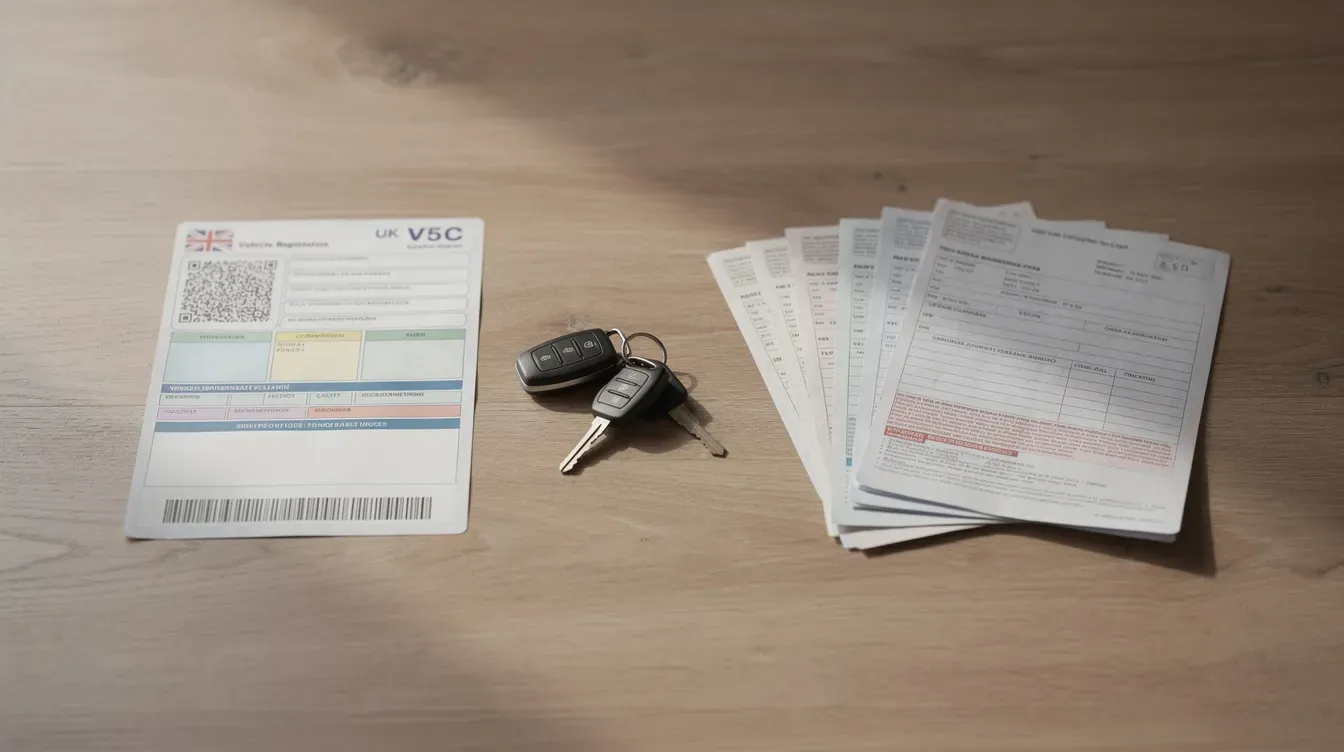
Find your car's registration date and MOT due date using the V5C log book, MOT certificate, and the official GOV.UK checker.
Keep the car serviced during the first three years to protect your warranty, maintain service history, and make the first MOT test easier to pass.
Introduction: How MOT Rules Apply to New Cars
If you have recently bought a new car, the MOT might not be on your radar yet. The mot test is a statutory roadworthiness and emissions inspection that ensures every vehicle meets safety and environmental standards before it can be used on public roads. MOT test checks cover everything from brake lights and tyres to emissions and steering, helping to identify potential safety hazards that could put you and other drivers at risk.
Most UK cars need an MOT after their first three years on the road. This guide focuses specifically on when a brand new car needs its first MOT, how the car's registration date sets the schedule, and what happens after that first test.
Here is the key legal point up front: driving without a valid mot after the due date can lead to a fine of up to £1,000 and may invalidate your insurance entirely.
When Does a Brand New Car Need Its First MOT?
New cars in the UK are exempt from an MOT test for three years after registration. In Great Britain (England, Scotland, and Wales), a brand new car needs its first MOT test three years after the car's first registration date.
Here is a concrete example: if your car was registered on 13 June 2023, the first MOT must be completed by 13 June 2026 - the third anniversary of its registration.
The first MOT must be completed by the third anniversary of registration. There is no grace period. Once that date passes, you need a valid mot certificate to use the car on public roads.
In Northern Ireland, the rules differ. The first MOT is due after four years from the registration date, not three. After that, the same annual pattern applies.
It is important to understand that the timeline for MOT testing starts from the date of first registration with the DVLA (or DVA in Northern Ireland), not from when you collected the car from the dealer or when you first insured it.
A quick note on other vehicle types: vehicles used as taxis or ambulances do not have the same MOT exemption period. Some taxis and vans may need their first mot test much earlier - sometimes from the first anniversary of its registration. This article focuses on standard private cars, which follow the three-year rule in Great Britain.
The Car’s Registration Date and How It Sets Your First MOT
The car's registration date is the single most important date for calculating when your first mot is due. You can find it in two places:
V5C log book - listed as the "date of first registration" or "first used" date. The V5C logbook shows your car's registration date clearly on the front page.
Dealer paperwork - your purchase documents will usually include the first registration date as well.
The car's first registration date is recorded with the Driver and Vehicle Licensing Agency (commonly known as DVLA) and is the exact date used to calculate when the car's first MOT is due.
Worked examples:
Car's Registration Date | Location | First MOT Due By |
|---|---|---|
01 September 2024 | Great Britain | 01 September 2027 |
01 September 2024 | Northern Ireland | 01 September 2028 |
15 May 2022 | Great Britain | 15 May 2025 |
For imported cars, the first MOT is usually based on the UK registration date. Where no previous registration exists, the DVLA may use the manufacturer's build date to calculate the vehicle's age.
If you notice that dealer paperwork or the date the number plate was issued does not seem to match what the DVLA holds, check the official records online. The DVLA database is the authoritative source.
First MOT Test: Due Date, Earliest Date and Expiry Date Rules
Once a car is three years old, it must have a valid mot certificate at all times. The current mot certificate includes a clear expiry date, and once this mot expiry date passes, the vehicle cannot legally be used on public roads (with very limited exceptions).
You can book your first MOT up to one month early. More precisely, the rule is one month minus a day before the current expiry date. Here is how it works:
Example: Your MOT expires on 10 March 2027. You can get an mot from 9 February 2027 onwards. If you test within this window, the new certificate will keep 10 March as the expiry date - preserving the same renewal date.
If you choose to get an mot earlier than one month minus a day before the due date, the new mot certificate's expiry date shifts. It will be set to one year minus a day from the test date, effectively changing your annual anniversary permanently.
After the first MOT, the expiry date on the new mot certificate becomes the reference for every subsequent annual mot test. This means the mot renewal date follows the certificate, not the car's original registration date.
Quick summary of how early testing affects your dates:
When You Test | What Happens to Expiry |
|---|---|
Within one month minus a day of expiry | Same renewal date preserved |
Earlier than one month minus a day | Expiry moves to one year minus a day from test date |
How to Check When Your Car’s First MOT Is Due
There are several practical ways to find out when your car's first mot is due:
Check the V5C log book - find the first registration date and add three years (or four years if you are in Northern Ireland).
Use the GOV.UK MOT status tool - enter your registration number to see the vehicle's mot history, current mot certificate status, and expiry date. You can check your MOT due date on the DVLA website using this free tool.
Ask your supplying garage - many dealers offer MOT and service reminder services as part of their customer care.
Use a reminder app - some third-party apps and garages can track MOT and car tax dates together, sending you alerts as the date approaches.
One thing to note: for a car that has not yet reached three years old, the online checker will only confirm that no MOT is currently required. In that case, you need to calculate three years from the first registration date yourself.
Set personal reminders - a phone calendar alert or email reminder - at least one month before the first MOT is due. Booking slots fill up quickly during busy months like March and September, so early planning helps you avoid missing the mot due date.
What Happens If You Miss Your Car’s First MOT?
Once the first mot is due and the date passes without a valid mot certificate on record, the consequences are immediate and serious.
Legal penalties:
Driving without a valid mot can result in fines up to £1,000 under Section 47 of the Road Traffic Act 1988.
If the vehicle is in a dangerous condition, fines can reach £2,500 with possible penalty points or even a driving ban.
Missing your MOT makes your vehicle illegal on public roads. You cannot drive a vehicle without a valid mot certificate.
Driving without an MOT can invalidate your car insurance, meaning you could be personally liable in a collision.
Tax implications:
You cannot renew or pay car tax (Vehicle Excise Duty) on a vehicle with no current mot certificate. If the vehicle will be kept off the road, you must declare it SORN (Statutory Off Road Notification).
Practical next steps if your mot expires:
Stop using the vehicle immediately.
Book an MOT test as soon as possible.
You can only drive to a pre-booked MOT test if your MOT has expired - keep proof of the booking in the car.
Check basics like lights and tyres before the journey to ensure the vehicle is safe enough to reach the test centre.
Owners are legally responsible for ensuring their vehicle is roadworthy at all times, whether or not the MOT is currently due.
New Cars, Servicing and Preparing for the First MOT
Although a brand new car does not need an MOT during its first three years, it still needs regular servicing. Following the manufacturer's service schedule protects your warranty and keeps the car reliable. Having the car serviced at the recommended intervals - typically every 12 months or 10,000–12,000 miles - also builds a complete service history that supports resale value.
Some manufacturers offer extended warranties tied directly to service compliance. For example, certain brands provide warranty coverage up to eight years, provided annual services are carried out at authorised centres following their published schedule. Missing a service or using a non-approved facility may invalidate the warranty.
Pre-MOT checklist for a three-year-old car:
Check all lights, wipers, and fluid levels before the MOT. Here is a quick list of what to inspect at home:
All exterior lights functioning correctly, including brake lights, indicators, and fog lights
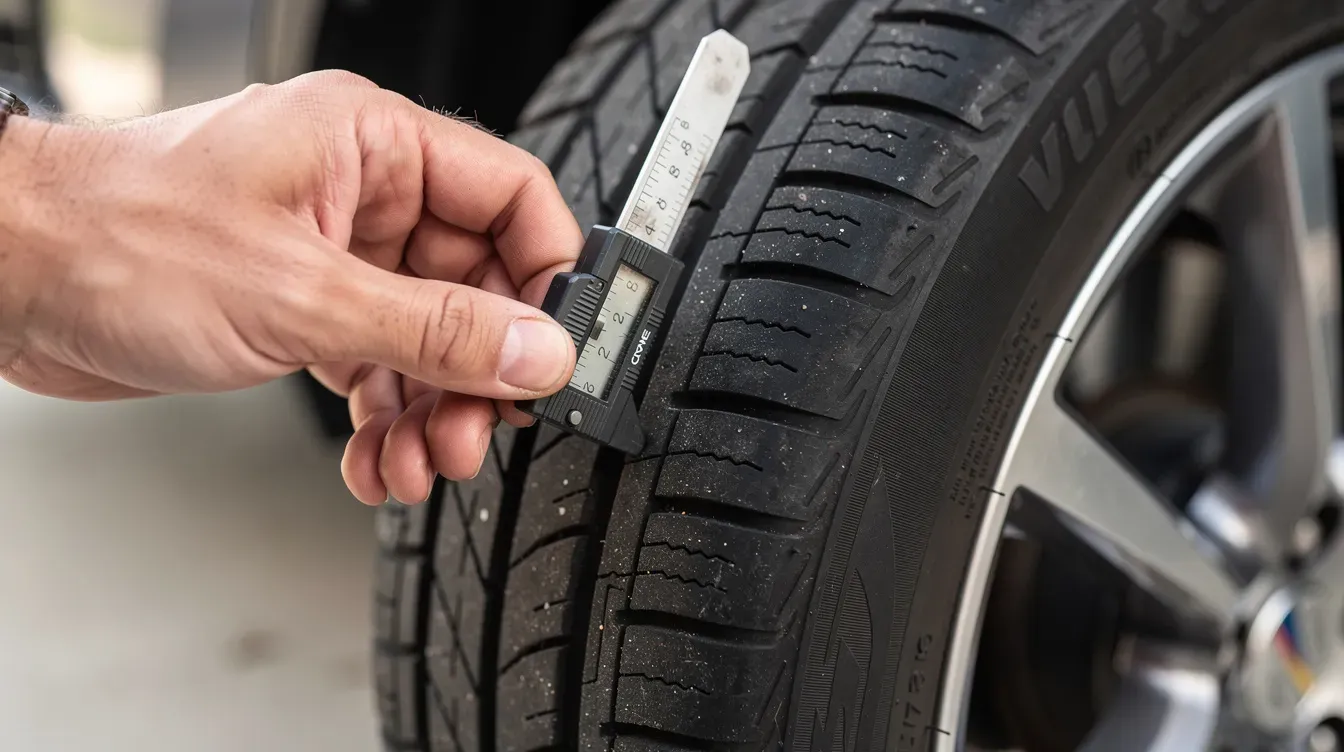
Tyre tread depth - tyres must have at least 1.6 mm tread depth to pass
Windscreen for chips or cracks in the driver's line of sight
Wiper blades and washer fluid topped up
Horn working
Seatbelts retracting and latching properly
Number plate clean, visible, and correctly displayed
Key areas examined in an MOT include lights, brakes, tyres, and emissions. Common MOT failure reasons include faulty lights and worn brakes - both are easy to catch with a quick home check.
If your car is close to a service due date, have the car serviced a few weeks before the first MOT. This gives your garage time to fix any issues before the mot tester inspects the vehicle.
After the First MOT: Ongoing MOT Schedule for Your Car
Once the first MOT is complete, the car must have a new mot test every 12 months. MOT tests are required annually after the first test, with no further age-based exemptions until the classic-car rules apply - vehicles over 40 years old with no substantial changes are the only exceptions.
The mot expiry date on the latest certificate now becomes the key due date each year. This replaces the original car's registration date as the reference point for scheduling the next mot.
The same one month minus a day rule applies for every subsequent MOT. If you test within that window, you keep the same renewal date year after year. If you test earlier, the anniversary shifts permanently.
Combining the annual mot test with yearly servicing is a practical way to save money and time. One visit covers both, and ensures a vehicle meets road safety requirements and stays compliant.
Staying on top of MOT dates, servicing, and car tax together keeps your motoring legal, safe, and far less stressful in the following year and beyond.
FAQs About New Cars and MOT
Does every brand new car in the UK need its first MOT after exactly three years?
In Great Britain, most brand new private cars need their first mot three years after their first registration date. In Northern Ireland, the first MOT is due after four years.
There are limited exemptions - for example, some historic vehicles (over 40 years old with no substantial changes) and certain special-purpose vehicles. These are the only exceptions and do not apply to normal new family cars, company cars, or typical private vans.
If you have an unusual vehicle such as an import, a heavily modified car, or a specialist body conversion, confirm your specific MOT schedule with the Driver and Vehicle Standards Agency or a trusted MOT test centre.
Is the MOT due date always the same as my car’s registration anniversary?
For the first MOT, yes - it is tied directly to the anniversary of its registration. After that, the mot due date follows the expiry date on your current mot certificate.
Here is how the date can shift: if you test your car more than one month minus a day before the current expiry date, the new certificate runs from the test date rather than the original anniversary. This permanently moves the mot renewal date.
If you want to keep a consistent anniversary, always book your test within the one month minus a day window before the current expiry date.
Can I get an MOT for a new car before the first three years are up?
Yes, you can book an mot earlier than the legal requirement. Some car owners choose early testing for peace of mind before a long journey, for example. However, it is not compulsory before the three-year mark in Great Britain.
If you choose to get an early MOT more than one month before the legal due date, the system treats that test date as the new start point. Your next mot will then be due 12 months from that early test date.
Most owners simply follow the standard schedule and rely on regular servicing during the first three years for reassurance that the vehicle meets environmental standards and remains safe on the road.
What if the MOT expiry date and what I expected from the registration date don’t match?
Discrepancies usually happen because a previous owner tested the car earlier than the one month minus a day window, which shifted the MOT anniversary. You can check your car's mot history using the GOV.UK tool to see exactly when previous tests took place.
Always rely on the official mot expiry date shown on the latest certificate and in the GOV.UK checker. This is what enforcement systems - including ANPR cameras - will use. The vehicle's mot history online is the definitive record.
If the online record itself appears incorrect or is missing, contact the vehicle licensing agency or your MOT test centre to investigate.
Do I still need to pay car tax if my new car has not yet had its first MOT?
Yes. Car tax (Vehicle Excise Duty) and MOT are separate legal requirements. A new car must be taxed from the moment it is used on the road, even though it does not need an MOT during the first three years.
Once the car reaches the age where an MOT is required, you will no longer be able to renew car tax without a valid mot certificate on record. If a vehicle fails its MOT and you cannot get it repaired in time, the tax renewal will be blocked.
If the car is kept off the road with no tax and no MOT, you must normally make a SORN declaration to remain compliant. When car passes its MOT and you are ready to return to the road, you can then tax and insure it again.