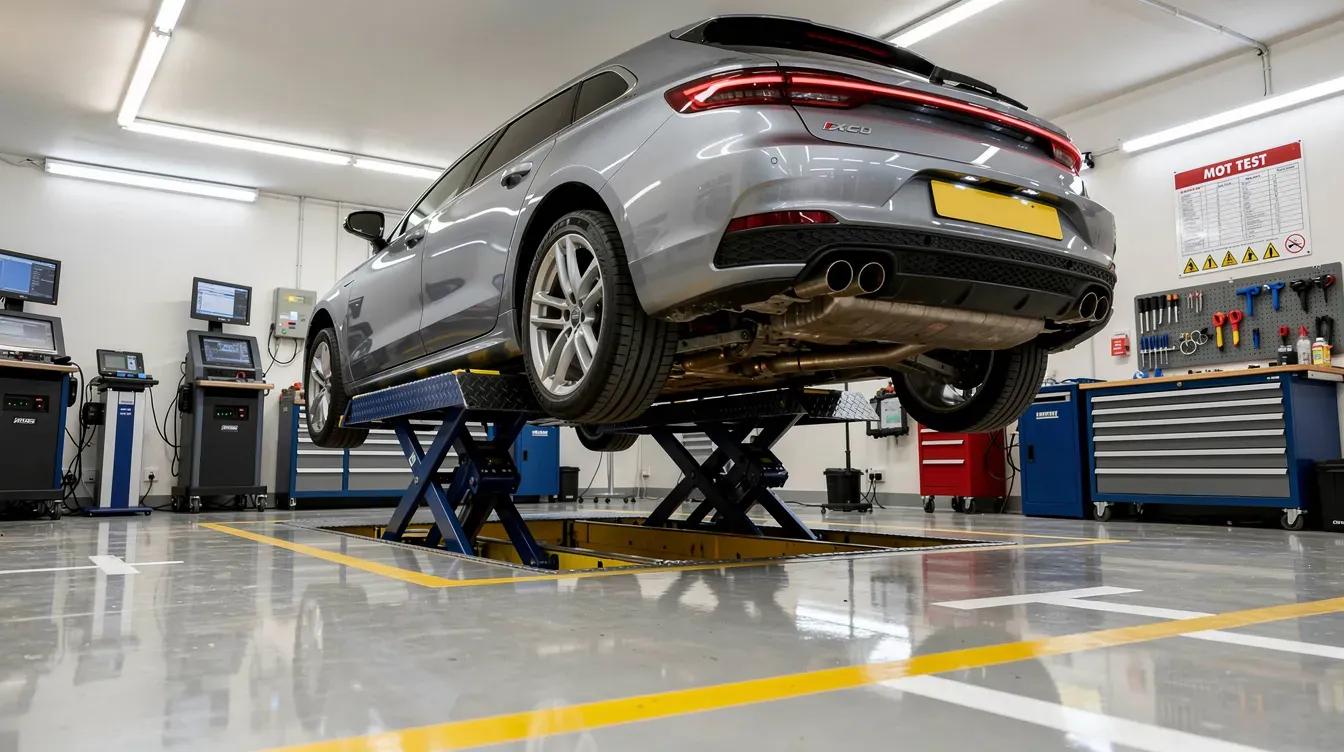
If you've ever found yourself wondering how long does an mot take, you're not alone. Whether you're squeezing it into a lunch break or planning a half-day without the car, knowing the timeline helps you organise your day. This guide breaks down exactly what to expect, from the test itself to what happens if things don't go to plan.
Key Takeaways
A standard mot test typically takes between 45 minutes to an hour from when the tester begins the inspection.
Your mot certificate is valid for 12 months from the date of the test, and you can get an mot up to one month (minus a day) before it expires without losing your same renewal date.
The total visit can take longer if your vehicle fails its mot, needs repairs, or the test centre is busy with other customers.
Combining an annual mot test with a full service can stretch the appointment to 3–4 hours, but it saves you a second trip to the garage.
You can usually get an mot completed on the same day if you book in advance, especially during quieter midweek periods.
How long does an MOT test actually take?
Here's the direct answer: most mot tests take between 45 minutes and 1 hour from the moment the technician starts the inspection. That one-hour slot covers the full check of safety systems, lights, brakes, steering, suspension, tyres, and exhaust emissions.
However, the total time you spend at the garage is often a bit longer than the test itself. Factor in check-in, paperwork, and any queue of vehicles ahead of you, and you might be looking at closer to 75–90 minutes from arrival to receiving your result.
Most authorised mot test centres allow customers to wait on-site and see the result the same day, often within the booked hour. That said, set your expectations: times can stretch if your car fails, needs retesting, or if extra diagnostic checks crop up during the inspection.
What is an MOT test and why does it take this long?
The mot test is a legal requirement for cars over three years old in the UK. It's an annual inspection that checks whether a vehicle meets road safety and environmental standards, covering everything from brake performance to emission levels.
In England, Scotland, and Wales, most cars need their first mot three years after the date of first registration, then every 12 months after that. In northern ireland, the first test is due after four years. Larger commercial vehicles require more specialised inspection protocols and may be tested earlier.
An mot test checks around 100 different components through a structured checklist of visual and functional checks - no major dismantling is involved. That's why the process takes close to an hour rather than several hours.
Testers must follow rules set by the driver and vehicle standards agency (DVSA), which standardise procedures and ensure consistency across every test centre. It's worth noting that an mot test is not the same as a full service. The mot checks safety and legal standards, while servicing replaces fluids, filters, and worn parts.
What is checked during an MOT (and what can slow it down)?
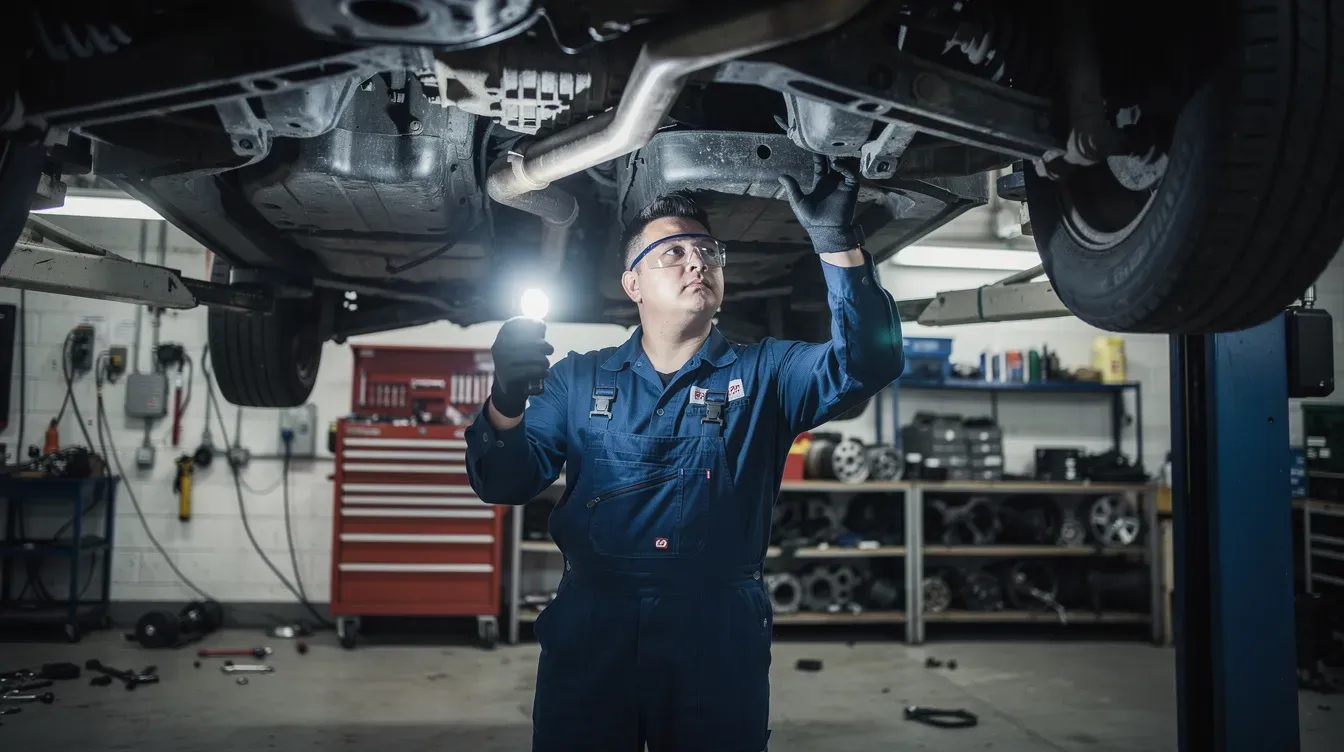
The tester inspects your car inside, outside, and underneath on a ramp, which explains why an mot takes close to an hour. Here's what the full check covers:
Brakes - performance, pad condition, pedal travel, ABS function
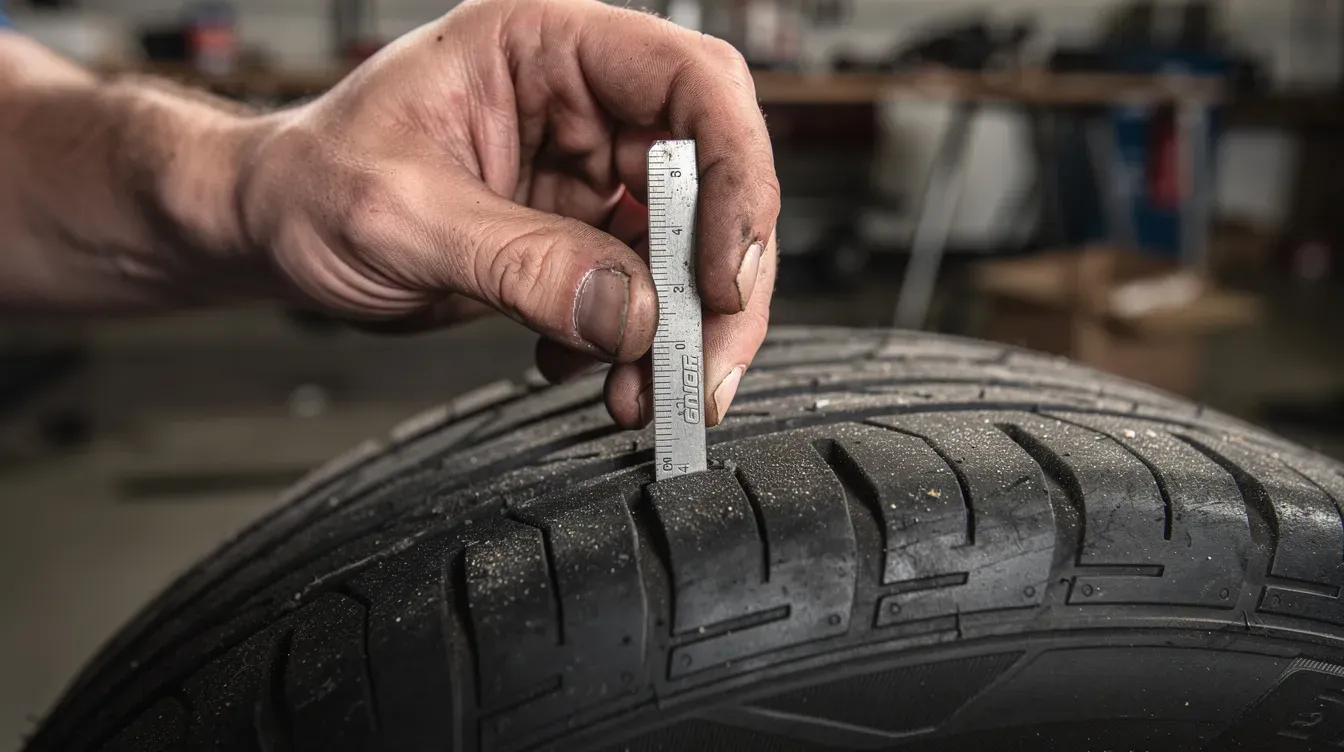
Tyres and wheels - tread depth (minimum 1.6mm), condition, correct rating
Steering and suspension - component wear, joints, shock absorbers
Lights - headlights, brake lights, indicators, fog lights, number plate lights in the correct colour
Windscreen and visibility - wipers, mirrors, washer bottle and washer fluid levels
Seatbelts and airbag warning lights
Body structure - rust, corrosion, sharp edges, door and bonnet closures
Exhaust emissions - CO, hydrocarbons, and smoke (diesel)
Fuel system and engine - leaks, security, battery mounting
Obvious defects - for example, a blown headlight bulb, worn tyres, or a cracked windscreen in the driver's view - can quickly cause the vehicle to fail the mot. The emissions test can add a few extra minutes, especially on diesel cars where the tester must warm the engine and run specific smoke tests.
If the tester spots something unusual, like uneven braking or borderline chassis corrosion, they may spend extra time investigating. This is one reason the efficiency of the mot tester can influence the duration of the inspection - experienced testers move through clear-cut items quickly but must be thorough on anything ambiguous.
What happens if my car fails its MOT?
If your vehicle fails, you won't receive a pass mot certificate. The failure is recorded on the DVSA's mot database, and the tester issues a failure report detailing dangerous and major defects, along with advisories to monitor for the future.
About 40% of cars fail their first mot test. If dangerous defects are found, you cannot legally drive the car away, even if the existing mot certificate is still technically within date. For major (but not dangerous) defects, you may drive the vehicle directly to a garage for repairs.
Repair time varies enormously:
Issue type | Typical repair time |
|---|---|
Blown bulbs, wiper blades | 15–30 minutes |
Brake pad replacement | 1–2 hours |
Suspension work, structural repair | Several hours to days |
Vehicles that fail the test require additional time for repairs before a retest can occur. Many garages offer mot retests free of charge if repairs are completed at the same test centre within 10 working days. Keep repair invoices to potentially qualify for retest fee exemptions if you have work done elsewhere and return for a partial retest.
Repairs after a failed mot can extend the duration significantly, so if you suspect problems, it's wise to leave the car rather than plan to wait.
How long does an MOT and service take together?
An mot test itself usually takes 45–60 minutes, but a combined mot and full service can take between 3 and 4 hours in total. Booking an mot alongside a full vehicle service typically extends the time at the garage to 2 to 4 hours, depending on the level of service.
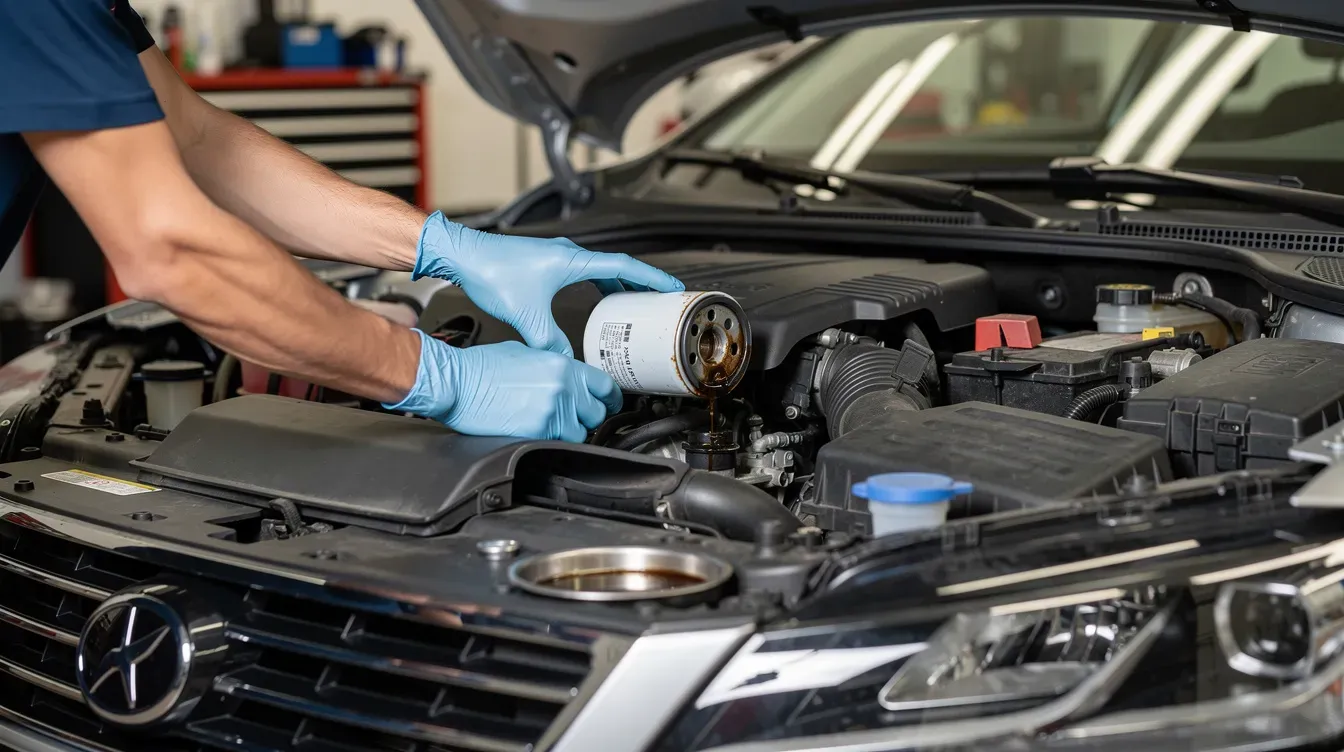
A full service often includes replacing engine oil, oil filter, air filter, and sometimes spark plugs, as well as inspecting brakes, suspension, fluids, and more. A major service goes further still and may include coolant, transmission fluid, and a deeper inspection of the engine and drivetrain.
An interim service is shorter - often around 60–90 minutes - so an interim service plus mot might take around 2 to 2.5 hours combined. Each service takes different amounts of time depending on your vehicle's mileage and condition.
Combining your mot test and service on the same day can save repeat trips, but plan ahead to leave the car for half a day in case repairs are needed.
Booking early matters, especially near busy months like March and September when new registration peaks mean more vehicles hitting three years old simultaneously. Most garages fill up quickly during these windows, so securing a same day slot for both mot and servicing requires forward planning.
How long is an MOT certificate valid and when should I book?
An mot certificate is valid for 12 months from the date of the test recorded on the pass certificate. Once it expires, driving without a valid mot is illegal in the UK, and a vehicle cannot be taxed without a valid mot certificate.
You can get an mot up to one month (minus one day) before the current mot expires and still keep the same renewal date for the following year. For example, if your mot runs out on 15 October 2026, you can book your new mot test from 16 September 2026 and the new certificate will still run until 15 October 2027 - preserving your renewal date for next year.
Check your mot status and expiry date online using the official GOV.UK service before you book. This takes 30 seconds and confirms exactly when your next mot is due.
Booking a week or two in advance is sensible, especially if you want a specific time of day or need mot and full service on the same day. Leaving it until the last day risks being stuck if the garage is fully booked or if your car fails and needs time for repairs.
What can make an MOT take longer than an hour?
While the standard mot take is 45–60 minutes, several common factors can push the total time your vehicle stays at the test centre well beyond that:
Failure and repairs - If the car fails the mot, the need for diagnostics, parts ordering, and repairs can easily stretch the visit to several hours or require a return appointment.
Busy test centres - Peak testing periods can lead to scheduling delays at test centres. Late afternoons, Saturdays, and days just before public holidays are consistently the busiest. Busy garages may cause delays beyond the standard test duration.
Vehicle condition - Older or poorly maintained cars take longer to inspect. High-mileage vehicles or those with modifications demand more careful checking from the tester.
Unexpected issues - Unexpected issues can lead to additional inspection time. A borderline corrosion spot, for instance, may need measuring or a second opinion.
Preparation gaps - Inadequate pre-test vehicle preparation can cause delays. Missing locking wheel nut keys, a cluttered boot blocking seatbelt access, or a dead battery that prevents emissions testing all add time.
Arriving slightly early, having your vehicle emptied of clutter, and presenting locking wheel nut keys upfront helps technicians work more efficiently.
Can I wait while my MOT is done, or should I leave the car?
Both options are common. Some garages allow you to wait during the mot test, while others encourage a drop-off approach, especially on busy days.
If the garage expects the mot test to be finished within the 45–60 minute time slot and no repairs are anticipated, waiting is perfectly reasonable. Most modern mot test centres offer waiting rooms with seating, Wi-Fi, refreshments, and sometimes viewing windows into the bay.
If you suspect your vehicle might fail - for example, you know the tyres are borderline or a warning light has been on - it may be better to leave the car so the garage has flexibility to carry out same day repairs without you sitting idle for hours.
Either way, always leave up-to-date contact details so the mechanic or service desk can call quickly if the vehicle fails its mot or needs authorisation for extra work. This avoids your car sitting in the bay waiting for a response while the garage schedule backs up behind it.
How to help your MOT go smoothly and avoid extra delays
A simple 10–15 minute pre-mot check at home can reduce the chance that your car fails on minor points and speeds up the entire process.
Here's a quick checklist:
Lights - Check all headlights, brake lights, indicators, fog lights, and number plate lights. Replace any blown bulbs before the test.
Tyres - Inspect tread depth (must be at least 1.6mm across the central three-quarters) and look for bulges, cuts, or damage.
Windscreen - Make sure wipers clear the screen properly. Top up the washer bottle with washer fluid.
Warning lights - Fix obvious dashboard warnings (ABS, airbag, engine) beforehand. These almost always cause an mot failure and lead to diagnostic delays.
Boot and interior - Clear heavy clutter from the boot and rear seats so testers can access seatbelts, spare wheel areas, and the battery quickly.
These small fixes cost very little but can be the difference between a pass and a fail that adds hours to your day.
Frequently Asked Questions
Can I get an MOT done on the same day I book?
Many mot test centres offer same day appointments, especially on weekdays outside peak times. Availability depends on how busy the garage is. Call or use online booking early in the day if you need a same day mot, and be flexible on time slots. During busy months or on Saturdays, securing a same day slot may be harder, so booking at least a few days in advance is safer.
Can I drive if my MOT has expired but I have a booking?
You can only drive a vehicle without a valid mot on uk roads to a pre-booked mot test or to a garage for repairs required for the mot. Driving more broadly with an expired mot certificate is illegal and can result in a fine of up to £1,000, plus potential insurance problems. Keep proof of your mot booking (email or text confirmation) in case you are stopped on the way to the test centre.
Does a car service make the MOT test quicker?
Having regular servicing usually means your vehicle is in better condition, which reduces the risk that the vehicle fails and needs extra time for repairs. However, the mot test itself still takes the standard 45–60 minutes because testers must complete the full checklist regardless of service history. Schedule a full service ahead of the due mot date if the car has missed routine maintenance - it improves the chance of a smooth pass.
Is an MOT check different for diesel and petrol cars?
The core mot safety checks - brakes, steering, tyres, lights, bodywork - are identical. The difference is in the exhaust emissions test. Diesels undergo specific smoke and opacity tests, and checks on emission control systems like the diesel particulate filter. These can slightly extend how long the emissions portion of the mot takes. Any dashboard warning lights related to emissions can cause a failure and may need diagnostic time to resolve.
How early should I arrive for my MOT appointment?
Arrive about 10–15 minutes before the booked slot. This gives you time for check-in, confirming contact details, and handing over the keys. Turning up late can push your car behind other bookings, making the test start later and lengthening your total visit. Bringing previous mot paperwork is helpful but not essential - results are stored in the national mot database and the tester can access your vehicle's history digitally. If the vehicle passes first time, you'll walk out with your new certificate and be on your way within the hour.