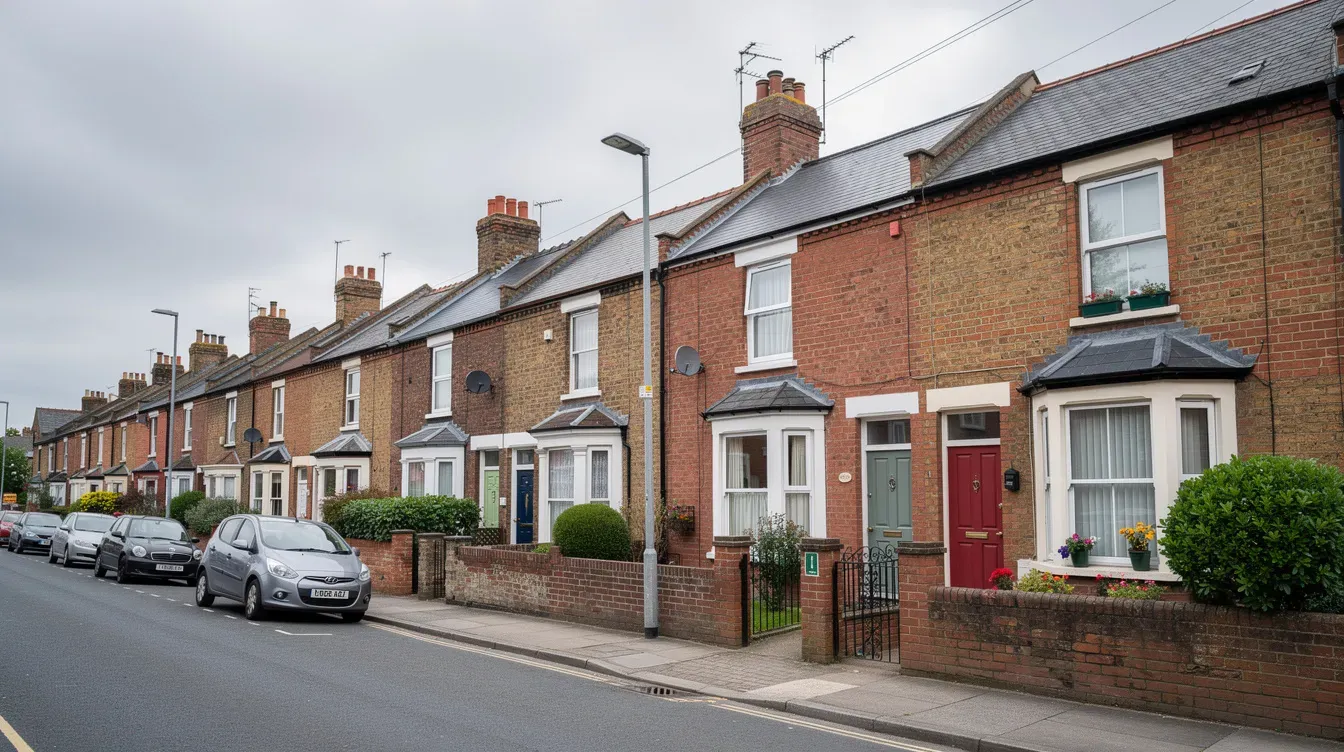
Council tax is one of the biggest household bills most people in England, Scotland and Wales face each year. With the average band D bill now sitting at around £2,392 per year in England alone, any reduction can make a real difference. The good news is that millions of households are entitled to discounts on council tax and many don't even know it.
This guide walks you through every major discount, reduction and appeal route available - from the single person discount to Council Tax Reduction for low income households, disability-related schemes, and how to challenge your council tax band if you think it's wrong.
Key Takeaways
Many households in England, Scotland and Wales can cut their council tax bill through discounts, council tax reduction and band challenges. Council tax discounts help lower the amount of tax on property in England Scotland and Wales. Eligibility for council tax discounts depends on who lives in your home and your financial circumstances.
Single adults, disabled people, those with severe mental impairment, full time students and low income households are the main groups who can reduce how much council tax they pay. You may qualify for multiple types of reductions based on living situation or income.
Council Tax Reduction is a means-tested scheme run by your local council that can reduce your bill by up to 100% if your income is low enough or you receive benefits like universal credit or income support.
Hundreds of thousands of homes are in the wrong council tax band. Challenging this - and appealing to the valuation tribunal if needed - can lead to refunds worth hundreds or even thousands of pounds backdated to when you became liable.
Always check your own council's rules and apply as early as possible, especially if you are struggling to pay council tax or facing hardship.
How council tax and bands work
Council tax is a tax on domestic property that applies in England, Scotland and Wales. Northern Ireland uses a different "rates" system, so the discounts and bands covered in this guide do not apply there. You can find your local council using the GOV.UK Find your local council tool.
Every residential property is placed in its own band. In England and Scotland, council tax bands run from A to H. In Wales, bands run from A to I. Council tax bands are based on 1991 property values in England and Scotland, and on 1 April 2003 values in Wales.
How much council tax you pay depends on two things: your valuation band and the annual rate set by your local council for that financial year (usually 1 April to 31 March). A property in a higher band pays more than one in a lower band, even in the same street.
You can check your council tax band on Gov.uk for England and Wales, or via the Scottish Assessors Association if you live in Scotland.
Here's a quick example of how bands change what you pay in a typical English local authority in 2026–27:
Band | Approximate annual bill |
|---|---|
Band C | ~£2,127 |
Band D | ~£2,392 |
Band E | ~£2,918 |
That's a difference of nearly £800 a year between band C and band E for the same council. If your property is in the wrong band, you could be overpaying every single year.
Automatic and standard discounts on your council tax bill
Many discounts on council tax are based on who lives in your property. Only "chargeable adults" count when working out how much council tax is due. Certain people are disregarded when counting adults in a home for council tax purposes - they simply don't count towards the total.
Common categories of disregarded people include:
Full time students
Student nurses
A live in carer looking after someone who isn't their spouse, partner or child under 18
People with a severe mental impairment who meet specific criteria
Foreign language assistants registered with the British Council
Some apprentices and trainees in education
If a 50% discount applies, that's the result of all residents being disregarded. If everyone in the property falls into a disregarded category, the bill gets that 50% cut - and in some cases (for example, all students) the property is fully exempt from council tax.
Care home residents do not pay council tax while living there. Prisoners awaiting deportation are exempt from council tax as well. You can also apply for a discount if your home is empty, though local councils decide the amount and rules vary.
Always check your latest council tax bill to see if discounts are already shown, and contact your local council immediately if a discount is missing or has been wrongly removed.
Single person discount and second adult rebate
If you are the only adult living in your property - or the only chargeable adult once disregarded people are excluded - you can get a 25% discount on your council tax. A 25% discount applies if only one adult lives in a property. You can get a 25% discount if living alone.
This is worth real money. On a typical band D bill of £2,392, the single person discount saves you roughly £598 a year.
People commonly miss out on this discount because they don't realise other adults in the home should be disregarded. For example:
You live with a full time student partner - you're the only adult counted, so you qualify
You live with someone who has severe mental impairment - same result
You're the only adult in the house and your children are all under 18
Some local authorities also offer a "second adult rebate." This applies where you don't qualify for council tax reduction yourself, but you share your home with another adult who has a low income or receives certain benefits like income support or income-based Jobseeker's Allowance.
The second adult rebate and the single person discount cannot be claimed together. Your council should automatically check which one gives you the bigger saving.
Example: Jane lives alone and pays band D council tax of £2,392. She claims the single person discount and her bill drops to £1,794 - a saving of £598 per year.
Discounts if you or someone you live with is disabled
The Disabled Band Reduction Scheme can reduce a council tax band for disabled individuals. Council tax discounts may apply for disabled adaptations. It moves your property to the next lowest band if certain conditions are met.
To qualify, the property must have at least one of the following features used by a disabled person who lives there:
An extra bathroom or kitchen that the disabled person needs
A room (other than a kitchen, bathroom or toilet) mainly used by the disabled person - for example, a therapy or treatment room
Sufficient floor space for a wheelchair to be used indoors
The disabled person does not need to be the person responsible for the council tax bill. They just need to live in the property as their main home.
If the home is already in the lowest band (band A), the council applies a special lower rate - currently around a 17% reduction.
Evidence is usually needed. Supporting evidence may include enrollment letters or doctor's certificates for discounts, details of adaptations, and possibly a visit from the council. To apply for a council tax discount you must contact your local council.
Example: A property in band D (bill of ~£2,392) qualifies for disabled band reduction and is re-banded to band C (~£2,127). That's a saving of approximately £265 per year.
Discounts linked to severe mental impairment (SMI)
Severe mental impairment in council tax rules means a severe impairment of intelligence and social functioning that appears to be permanent. Examples include advanced dementia and severe learning disability.
To be classed as severely mentally impaired for council tax, a person generally needs:
A certificate from a doctor confirming the condition
Entitlement to certain benefits - for example, Attendance Allowance, the daily living component of PIP, or certain disability benefits
Properties occupied only by severely mentally impaired individuals are exempt. If a person with SMI lives alone, the property can be fully exempt from council tax. If they live with only disregarded people, the bill can be reduced to zero or by 50%. If they live with one chargeable adult, that adult may still qualify for the 25% single person discount.
How to claim:
Get a certificate from the person's GP or specialist confirming severe mental impairment
Show proof that the person receives a qualifying benefit
Send both documents to the local council's council tax department
Backdating may be possible to the date when the person first met both the medical and benefits conditions. This can lead to refunds of several years of overpaid council tax - sometimes thousands of pounds.

Council Tax Reduction (CTR) and support for low-income households
Council tax reduction (sometimes called council tax support) is a means-tested scheme run by each local authority to help people on a low income or certain benefits pay council tax. Council Tax Reduction can reduce your bill by up to 100%. Each local authority administers its own council tax discount scheme, which means the rules can differ depending on where you live.
CTR is different from the discounts described above. It depends on your income, savings, household circumstances, and whether you are of working age or have reached state pension age.
Most councils require you to pay at least some council tax even if you get CTR. But a few still allow up to 100% reduction for pension age claimants or in cases of severe hardship.
Main factors the council looks at:
Income from work, pensions and benefits (including universal credit and income support)
Savings and capital
Number of dependants and children
Household income from other adults in the property who could contribute
Whether you rent or own your home
Many local council websites have online CTR calculators that can give you a rough idea of what you might be entitled to.
Who can get Council Tax Reduction
Both renters and homeowners can apply for CTR as long as they are liable to pay council tax for their main home. You can apply for Council Tax Reduction if on a low income.
To be eligible, you generally need to:
Live in the property as your main residence
Be the person responsible for the council tax bill
Have income and savings below limits set by your local council
People already claiming means-tested benefits - such as universal credit, income support, income-based Jobseeker's Allowance, or income-related Employment and Support Allowance - are often more likely to qualify and can claim benefits alongside CTR.
Immigration status matters. Only people whose status allows access to "public funds" can normally get CTR. Those returning from abroad might need to show they are "habitually resident" in the UK.
Example 1: A working-age single person on universal credit, renting a flat with a band B council tax bill of ~£1,860 per year, applies for CTR. The council awards a 70% reduction. Their annual bill drops to around £558.
Example 2: A pensioner couple on state pension with modest savings apply for CTR. Under the more generous pension-age scheme, they receive a 100% reduction and pay no council tax at all.
Working-age vs pension-age CTR rules
CTR schemes differ for working-age people and those who have reached state pension age. Pension-age schemes are usually more generous.
Working-age rules apply if both you and your partner are below state pension age, or if you receive universal credit, income-based JSA, income-related ESA, or income support
Pension-age rules normally apply when at least one partner is at or above state pension age and neither receives those working-age benefits
Pension-age CTR can often be backdated automatically for up to around 3 months from the date of claim. Working-age CTR backdating usually requires "good cause" - for example, illness, a hospital stay, or an official error. You can apply for backdated Council Tax Reduction under certain conditions.
Local councils have their own rules about scheme details, and these can change year to year. Always ask your local council for the most current information.
Capital and other adults in the household
Your savings, investments, and any other adults living with you can reduce how much CTR you receive. Local councils determine the rules for Council Tax Reduction eligibility.
You must have less than £16,000 in savings to qualify for working-age CTR in many schemes. Above that threshold, you're typically disqualified
Smaller amounts of savings (for example, between £6,000 and £16,000) are converted into a "tariff income" that increases the income figure used in calculations
Capital jointly owned with someone who isn't your partner is usually split equally - £20,000 in a joint account with your adult daughter counts as £10,000 for you
Other adults in the household matter too. Non-dependant adults (such as grown-up children or lodgers) may trigger a "non-dependant deduction," reducing your CTR because they are expected to contribute towards the bill.
Example: Sarah receives CTR of £1,200 per year. Her adult son moves back home and earns £25,000 a year. The council applies a non-dependant deduction of around £15 per week (£780/year), cutting her CTR to £420.
How and when to apply for Council Tax Reduction
Apply for CTR as soon as you might qualify. Delay can mean building up arrears on your council tax bill that could have been avoided.
Discount applications generally require proof of circumstances to be provided to the council. Main application routes include:
Online portal via your local council's website
Downloadable or postal forms
Phone applications for people who cannot use digital services
You can usually apply a few weeks before you become liable (for example, before moving into a new home). In some cases, you can ask for your CTR to be backdated.
Key evidence councils commonly ask for:
Proof of identity (passport, driving licence)
Tenancy agreement or mortgage details
Latest council tax bill
Payslips or proof of income
Benefit letters (universal credit, income support, etc.)
Bank statements for the past few months
Details of anyone else living in the property
If you make a mistake on your application, contact your local council immediately in writing so they can correct your record and avoid overpayments.
If you can’t get CTR: other help and discretionary reductions
Even if you don't qualify for council tax reduction, there may be ways to cut your bill or get temporary help.
Second adult rebate (where still offered) - aimed at people who miss out on CTR but share their home with someone on a low income or certain benefits
Discretionary reduction under section 13A(1)(c) of the Local Government Finance Act 1992 - allows councils to reduce or write off council tax bills in cases of extreme hardship or special circumstances
Empty property discounts - you can apply for a discount if your home is empty, though the scheme varies by council
Discretionary reductions are decided case by case, can sometimes cover past years' arrears, and often require detailed evidence of hardship - letters about rent arrears, medical conditions, or a full income and expenditure breakdown. Reductions depend on living situations like being a live-alone adult or caring for someone.
These discretionary reductions generally are not treated as "public funds" for immigration purposes, which can be vital for some residents with limited leave to remain.
If you still cannot afford to pay council tax
Council tax debt is stressful, but ignoring it makes things worse. Early engagement is the single most important step.
What to do:
Contact your local council's revenues team as soon as you realise you can't pay
Ask about affordable payment plans - many councils allow you to move from 10 to 12 monthly instalments to lower each payment
Check whether you're missing any discount or reduction you're entitled to
Ask about discretionary hardship support
If you ignore bills, councils can use enforcement options - liability orders, bailiffs, deductions from benefits, or attachment of earnings. This costs you more money in fees and makes the situation harder to resolve.
If you're struggling not just with council tax but with other essential bills, free and independent debt advice is available from charities such as StepChange, Citizens Advice, and the National Debtline. You should never have to pay for basic debt advice.
Don't wait until court action has started. The earlier you ask for help, the more options you have.
Challenging your council tax band and dealing with errors
Some homes are in the wrong council tax band. In England and Scotland, the original 1991 valuations were done quickly and have never been comprehensively updated. Hundreds of thousands of homes are in the wrong council tax band as a result.
If your band is too high, you could be overpaying every year. A successful rebanding can cut future bills and - importantly - you may receive a refund if your band is lowered, potentially backdated to when you became liable.
Before you formally challenge, do two informal checks:
Neighbour check - compare your band with similar properties nearby
Valuation check - estimate whether your property's value at the relevant historic date fits your current band
Be aware that you can only request a revaluation, not a guaranteed reduction. There is a risk the Valuation Office or Scottish Assessors could move your band - or your neighbours' - up as well as down.
This process mainly applies to England, Scotland and Wales. Northern Ireland uses its own different system.
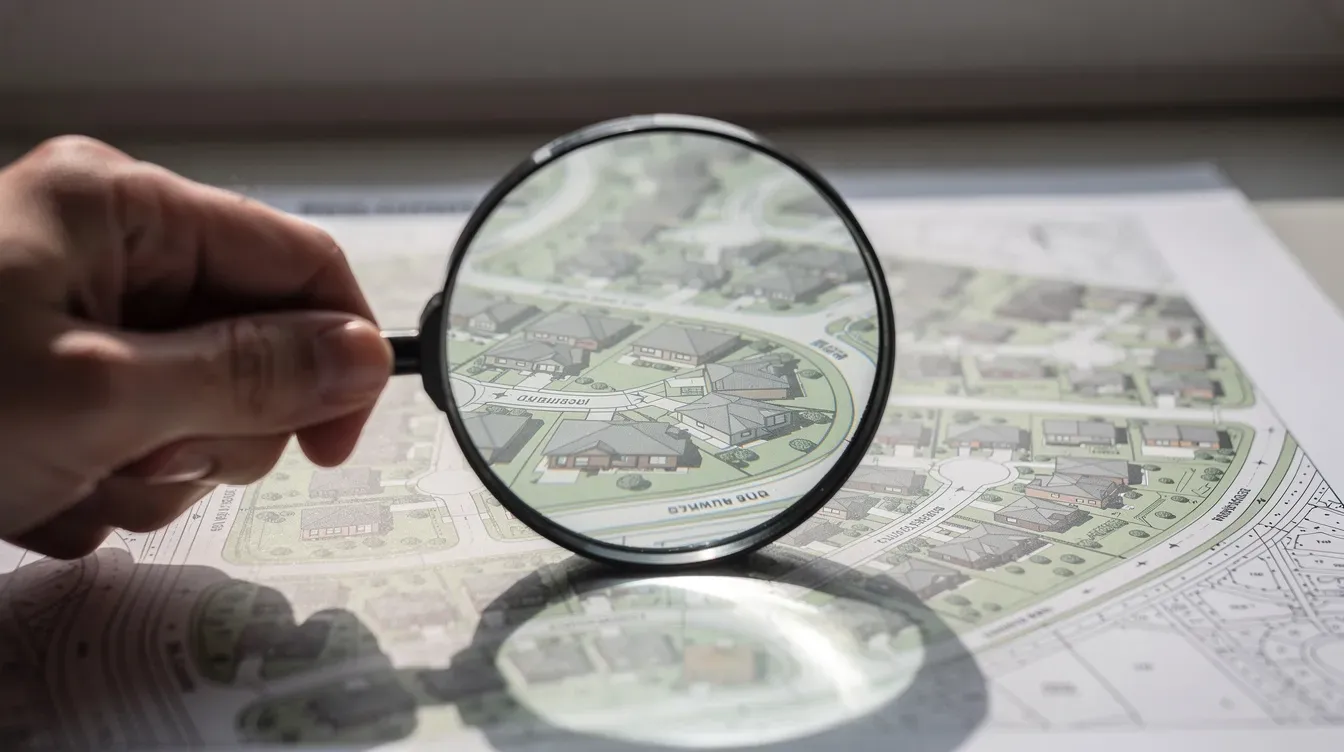
Neighbour and valuation checks
These two checks should both point in the same direction before you proceed with a formal challenge.
Neighbours check:
Look up nearby similar property addresses (same street, estate, comparable size and type) on Gov.uk or the Scottish Assessors website
Compare their bands with yours - if identical houses are mostly in a lower band, that's a strong indicator
Valuation check:
Estimate what your house would have been worth around 1 April 1991 (or the relevant date) using historic price data or house price calculators
If the estimated value falls within a lower band's range, your band may be wrong
Passing only the neighbours check isn't enough. It's possible that their bands - not yours - are wrong. Both checks should support your case.
Example: You own a three-bedroom semi-detached house in band E. Five identical homes on your street are all in band D. Your 1991 valuation estimate also supports band D. This is a strong case for a challenge.
How to submit a challenge and what happens next
Contact the Valuation Office Agency (VOA) in England and Wales, or the Scottish Assessors Association in Scotland. You can challenge your council tax band if you have lived there six months or less, though other grounds (such as material changes to the property) may also apply.
There's a difference between an informal review and a formal proposal or appeal. The VOA may informally review your band first. If they reject it, you may need to make a formal proposal.
Evidence to prepare:
A description of your property (size, rooms, type)
Details of any differences from similar nearby homes
Comparable properties in lower bands
Any information showing the original valuation overstated your home's value
Rough timeline: Confirmation of receipt usually comes within a few weeks, but a decision can take several months. In 2023–24, around 39,590 challenges were submitted in England and Wales, and roughly 27% resulted in a reduction in banding.
If your challenge is rejected, you may have the right to appeal to the independent valuation tribunal, which can order a change in band if it finds the valuation list is incorrect.
If your council tax bill or discount is wrong
Billing mistakes happen. If you think a discount or council tax reduction has been wrongly applied or removed, react quickly.
Steps to take:
Write to your local council's council tax team, stating clearly what you think is wrong - for example, a missing single person discount, SMI discount not shown, or CTR calculated on the wrong income
Include any evidence (benefit letters, doctor's certificates, proof of circumstances)
Keep copies of everything you send
You must tell the council within 21 days if your circumstances change in a way that affects a discount, or you risk a penalty of around £70 for failing to notify.
If the council refuses to change its decision or doesn't reply within around 2 months, you can escalate to the valuation tribunal for independent review. Complaints about poor administration - not the band or CTR decision itself - can be taken to the Local Government and Social Care Ombudsman once the council's own complaint process is exhausted.
Appeals, complaints and the Valuation Tribunal
There are different routes depending on your issue:
Issue | Route |
|---|---|
Council tax band dispute | VOA/Assessors → Valuation Tribunal |
CTR or discretionary reduction appeal | Council reconsideration → Valuation Tribunal |
Service complaint | Council complaints process → Ombudsman |
Time limits apply. You usually must ask the council to reconsider a CTR decision first, and only then appeal to the Tribunal within a set period if you're still unhappy.
Tribunal hearings are designed to be accessible. Guidance is available on GOV.UK about how to prepare evidence and what to expect. You do not need a lawyer to use the Tribunal, but you must provide clear evidence and explain why the council has not followed its scheme or the law correctly.
When and how to appeal to the Valuation Tribunal
The valuation tribunal is an independent body that can overrule certain council and VOA decisions about council tax, CTR, and discretionary reductions.
Common reasons for appealing:
The council has misapplied its own CTR rules
A discretionary reduction was refused despite strong hardship evidence
The VOA rejected a valid challenge to your council tax band
Basic process:
Request a reconsideration from your local council or the VOA
Wait for their written reply (or for a set time if they don't respond)
Submit an appeal form online or by post to the Tribunal
Evidence to gather:
Decision letters from the council or VOA
Bills and bank statements
Medical reports (if relevant)
Written correspondence showing your attempts to resolve the matter
The Tribunal may accept late appeals in some circumstances, but always aim to meet formal deadlines and keep copies of everything you send.
Frequently Asked Questions about council tax discounts and reduction
Can council tax reduction be backdated, and for how long?
Backdating rules depend on whether working-age or pension-age CTR rules apply in your local council's scheme. Pension-age CTR can often be backdated automatically for up to around 3 months from the date of claim if you met the conditions during that period. Working-age applicants may only get backdating if they show "good cause" for not claiming earlier (such as serious illness), and the period is often limited to 1 month or longer depending on the council's policy. Always request backdating in writing on the application form or in a separate letter.
Do I have to pay council tax if I am a full-time student?
Full-time students may be exempt from council tax. Most full time student residents are disregarded for council tax purposes. If all residents are full time students, the property is usually exempt and no bill should be payable. If students live with non-student adults, the non-students remain liable, though they may be entitled to the single person discount if they are the only adult counted. You normally need a council tax exemption certificate from your university or college to prove your status to the local council.
Does receiving Universal Credit mean I automatically get a council tax discount?
No. Getting universal credit does not automatically reduce your council tax bill. You still need to make a separate claim for council tax reduction from your local council. Many councils take your UC award into account when working out how much CTR you're entitled to, and some have simplified application processes for UC claimants. Apply for CTR as soon as your UC claim is accepted and report any changes that might affect your entitlement.
Example: Tom is a single person renting a flat with a band C council tax bill of £2,127. He receives universal credit and applies for CTR. His council awards a 65% reduction, bringing his annual bill down to around £744 - a saving of £1,383.
What happens if my circumstances change after I get a discount or CTR?
You must tell your local council promptly if anything changes that could affect your council tax discount or council tax reduction. Common changes include someone moving in or out, starting a new job, income changes, or a partner moving in.
Failing to report changes can lead to overpayments, backdated bills, and civil penalties of around £70, even if the original mistake was unintentional. Notify the council in writing and keep copies of what you sent and when. If an error was the council's fault, you can ask them to consider not recovering some or all of the overpayment - though they're not obliged to agree.
Can I get help with council tax if I have no recourse to public funds?
Most council tax discounts - such as the single person discount or disabled band reduction - are not classed as "public funds" for immigration purposes. People with no recourse to public funds can usually still receive them.
Council tax reduction itself is normally treated as a public fund, so people with "no recourse to public funds" conditions on their visa generally cannot claim CTR unless their status changes. Discretionary reductions given under local council hardship schemes may not be treated as public funds, but if you're in this position, seek specialist immigration advice before applying. Check your Home Office documentation or speak to an accredited immigration adviser before making benefit-related claims.