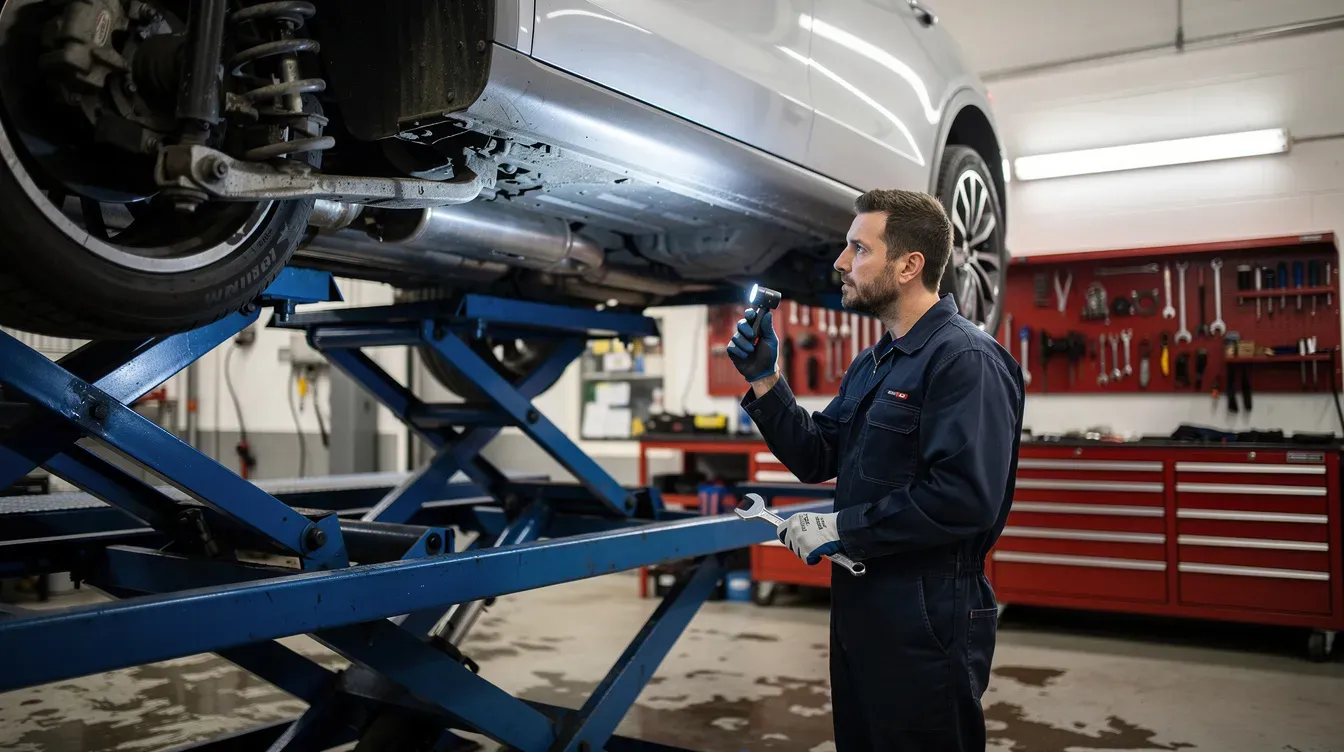
If you own a car in the UK, you've probably heard both terms thrown around at the garage. But the difference between an MOT and a service trips up more drivers than you'd expect. One keeps you road legal. The other keeps your engine alive. Getting them confused can cost you money, reliability, or even your car insurance payout.
This guide breaks down exactly what each one covers, what they miss, and how to use both to your advantage.
Key Takeaways
An MOT is a legal requirement for most vehicles over three years old in the UK. It's an annual test that checks whether your car meets minimum safety and environmental standards. A car service is routine maintenance to keep things running smoothly, but it's not required by law.
Both an MOT and servicing are important for vehicle safety and reliability, but they are two different things. You can pass an MOT with old engine oil and worn components, and a car can pass its MOT but still have mechanical issues that need attention.
Driving without a valid MOT can lead to fines up to £1,000 and may invalidate your car insurance. Skipping servicing mainly risks breakdowns, poor fuel economy, and costly repairs down the line.
The maximum fee for an MOT is £54.85 for a standard car, while service costs vary depending on the level and your particular make and model.
Booking your MOT and service together at a trusted local garage can save time, save money, and give you a better chance of passing first time.
What Is the Difference Between an MOT and a Service?
The main difference is simple: an MOT is a legal inspection, while a car service is preventative maintenance. They serve completely different purposes, even though they both happen at a garage and both involve looking at your car.
An MOT test is governed by DVSA standards and checks that your vehicle meets minimum safety and emissions requirements. It's a pass-or-fail inspection. A car service follows the vehicle manufacturer's schedule and replaces consumables like engine oil, filters, and spark plugs to keep your car's performance at its best.
Here's the critical thing to understand: an MOT does not include replacing engine oil, filters, or any parts. And a car service does not grant or extend your MOT certificate. They are two different things entirely.
Consider a 2018 Ford Fiesta. It could sail through its MOT with all lights, tyres, and brakes within legal limits, yet be running on degraded oil that hasn't been changed in 18 months. Conversely, a freshly serviced car could still fail its MOT if the emissions are above the legal limit or a headlight bulb has blown.
Understanding these key differences helps drivers plan budgets and avoid both legal trouble and mechanical problems.
What Is an MOT Test?
An MOT (Ministry of Transport) test is an annual test that confirms your car meets the UK's minimum road safety and environmental standards. It's a legal requirement for cars over three years old. MOT tests must be conducted annually after the initial three years from the vehicle's registration date.
The scheme was introduced in 1960 and extended to cars over three years old in 1967. In Northern Ireland, the first test is due at four years rather than three.
The MOT cycle works like this: your first test is due on the third anniversary of registration, then every 12 months after that. Driving without an active MOT is illegal and can lead to fines. If you're caught driving without a valid MOT (except travelling directly to a pre-booked test), you face a fine of up to £1,000, and the penalty can reach £2,500 if the vehicle is considered dangerously defective.
Vehicles over 40 years old may qualify for MOT exemption, provided they haven't been substantially altered. However, many owners still get one for insurance purposes and peace of mind.
You can check your exact MOT expiry date and full test history using the official GOV.UK MOT checker. It's free and takes 30 seconds.
What’s Included in an MOT?
MOT tests are non-intrusive safety checks that do not dismantle vehicle parts. The tester works through a structured inspection covering the main areas that affect safety and emissions.
An MOT checks essential safety components like:
Brakes (efficiency, performance, ABS, handbrake)
Tyres (tread depth, condition, correct size)
Lights, indicators, and reflectors
Windscreen condition, wipers, and washers
Seatbelts (condition, mounting, operation)
Mirrors and steering
Suspension components
Horn
Emissions testing checks exhaust emissions to ensure the car meets environmental standards. The test differs between petrol and diesel engine vehicles, with diesel cars typically undergoing a smoke opacity test.
Additional mot checks include vehicle structure and corrosion in safety-critical areas, doors and bonnet latches, fuel system leaks, registration plates, and the condition of the exhaust system.
An MOT result categories faults as minor, major, or dangerous. Major and dangerous faults cause failure, while minor advisories are noted but don't prevent a pass. MOT tests check minimum safety and environmental standards, nothing more.
Arrive with a reasonably clean cabin and clear boot so the tester can easily access seatbelts, the VIN plate, and jacking points.
What an MOT Does NOT Cover
MOT inspectors do not strip down components or change any parts during the test. It's purely an inspection, not a maintenance visit.
There is no routine engine oil change, no filter change (oil, air, fuel, or pollen), and no spark plugs or coolant replacement during an MOT. An MOT does not assess the general mechanical condition of the engine. It won't evaluate clutch wear, gearbox condition, turbo health, timing belt age, or overall engine performance beyond what the emissions readings reveal.
Passing an MOT only confirms the car met minimum legal standards on the day of the test. It does not guarantee the vehicle will stay fault-free for the next 12 months.
Picture a car with a clean MOT pass but engine oil so degraded it's barely lubricating. That oil won't show up on any MOT report, but it's quietly wearing down the engine internals every mile you drive.
What Is a Car Service?
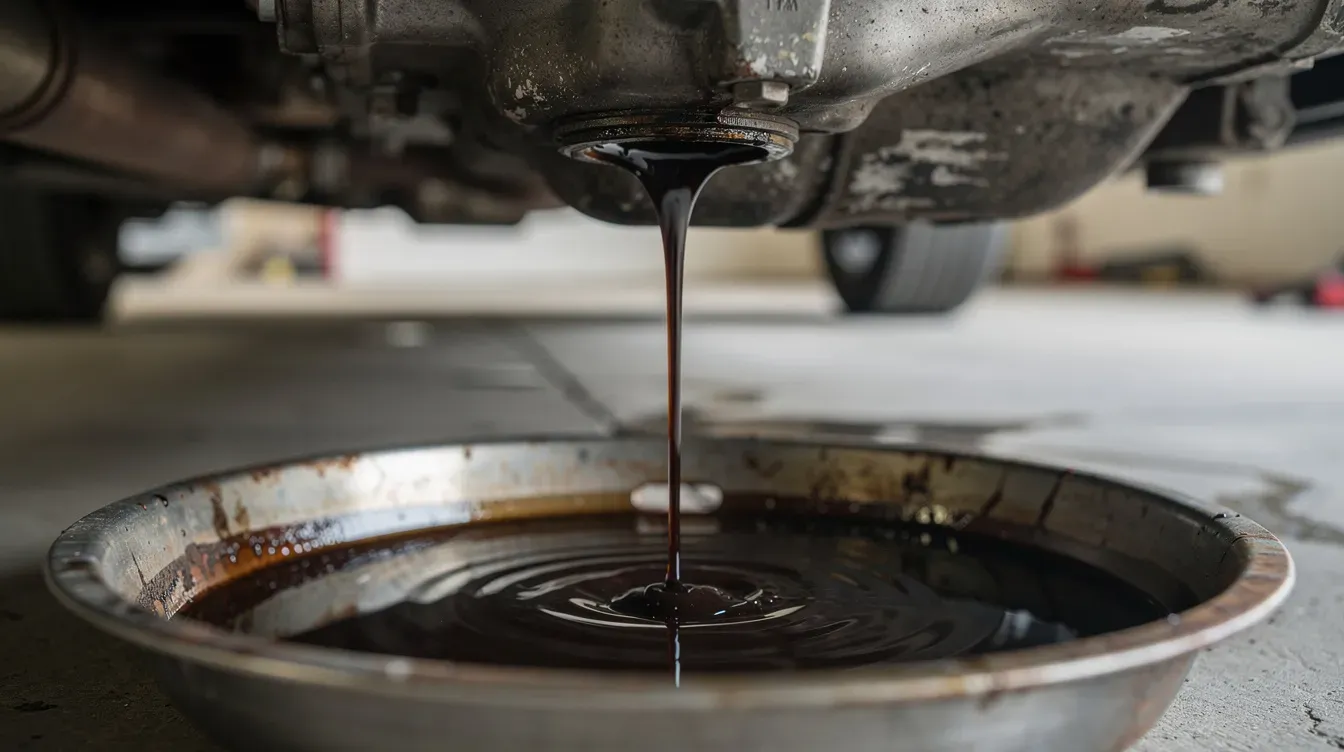
A vehicle service is routine maintenance recommended to keep cars running efficiently. It's typically carried out every 12 months or by mileage (e.g. every 10,000–12,000 miles), depending on manufacturer guidance found in your service book.
Servicing is not a legal requirement but is highly recommended. It maintains safety, fuel economy, and reliability. Servicing helps maintain vehicle performance and prolongs its life, and a well-serviced car is less likely to experience unexpected faults.
Car services can be done at a main dealer or trusted local garage. Following the manufacturer's service schedules helps preserve warranty coverage and resale value. Modern cars often display service reminders on the dashboard based on time, mileage, or driving style.
Different service levels exist: an interim service, full service, and major service, each with increasing depth of checks and replacements. Adequate servicing maintains vehicle performance and reduces harmful emissions over the long run.
Electric and hybrid vehicles also require servicing, though the focus shifts toward brakes, suspension, coolant systems, and software rather than engine oil.
What’s Included in a Car Service?
The exact content of a car service can vary depending on your particular make and model, but the core tasks are consistent across most garages.
Common maintenance tasks include:
Engine oil and oil filter change
Air filter replacement
Cabin (pollen) filter change
Fuel filter change where applicable
Spark plugs inspection or replacement (petrol cars)
Brake pads and discs check
Brake fluid level and condition assessment
Coolant strength and level check
Battery health test
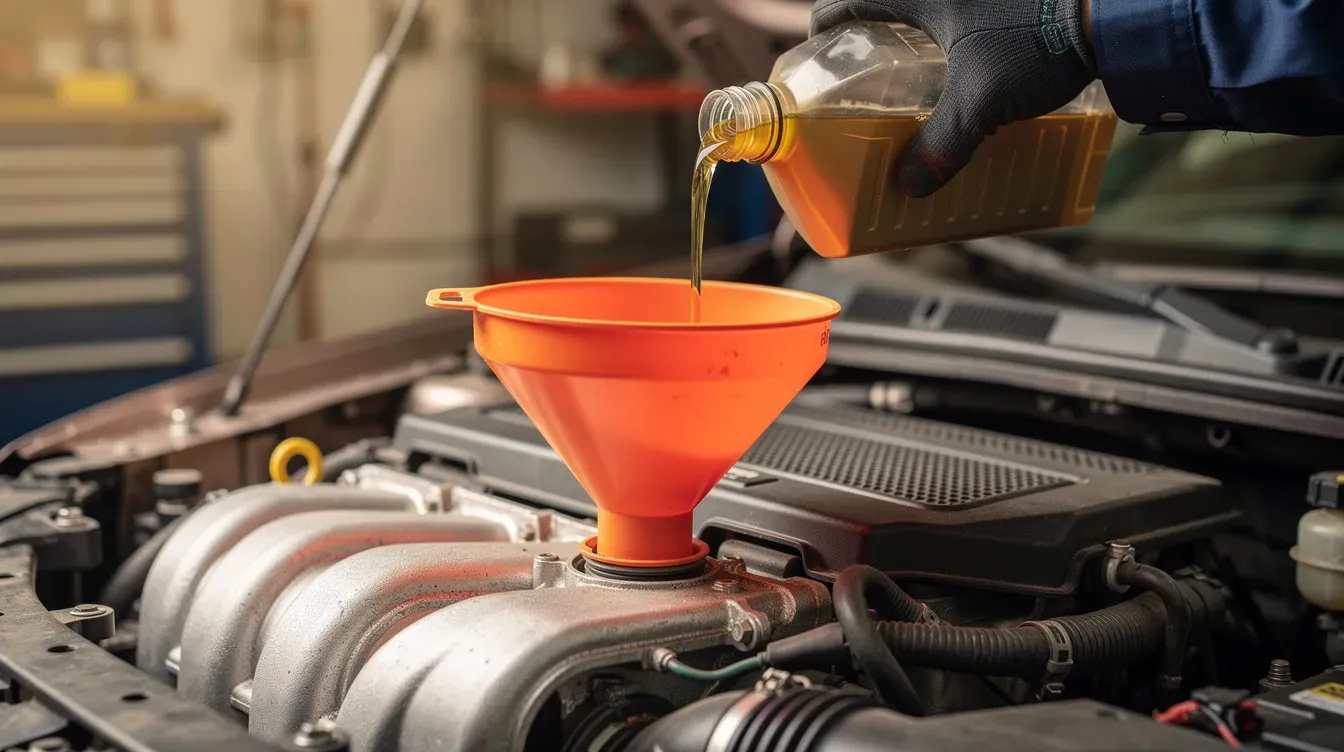
A service includes changing engine oil and replacing filters as standard. The mechanic will also inspect steering and suspension components, exhaust condition, tyres, and wheels, often producing a written report.
Fluids such as power steering fluid, screenwash, and sometimes gearbox oil may be topped up or replaced according to the schedule. A good car service usually includes a road test before and after to assess the car's performance, noises, and braking feel.
Interim Service vs Full Service
An interim service is a lighter check, often recommended every six months or 6,000 miles. It sits between annual full services and is ideal for high-mileage drivers. An interim service should be performed every six months or 6,000 miles. It's essentially a basic service covering the essentials: engine oil and filter change, plus safety checks on brakes, tyres, lights, and fluid levels. Expect to pay roughly £90–£150.
A full service is more comprehensive, typically carried out every 12 months or 12,000 miles. A full service includes a 77-point inspection every 12 months, adding air filter, pollen filter, and more detailed inspections of steering, suspension, brakes, and diagnostics. Costs usually range from £160–£280 or more.
A major service goes further still, potentially including brake fluid change, gearbox oil replacement, and timing belt work at manufacturer-set intervals. This can run £300–£600+ depending on the vehicle.
Drivers who mainly do short urban journeys should stick closely to full service intervals, as stop-start driving increases engine wear faster than motorway cruising.
MOT vs Service: Key Differences Explained
Put simply, the MOT keeps you road legal; car servicing keeps the vehicle healthy and efficient. They overlap slightly in what gets checked, but the main purpose of each is fundamentally different.
Purpose: An MOT confirms your car meets minimum legal safety and emissions standards. A service ensures optimal condition, performance, and longevity.
Frequency: MOTs are required annually while services vary by manufacturer. Service schedules might call for checks every 6, 12, or 24 months depending on mileage and driving conditions.
Cost: The MOT has a maximum fee capped at £54.85 for standard cars, though repair bills can follow a failure. Service prices vary depending on level, garage, and vehicle type, with no exact price set by regulation.
Risk of skipping: Missing your MOT risks fines and invalid car insurance. Missing services risks breakdowns, poor fuel economy, and expensive engine damage in the long run.
Here's a scenario worth remembering: a car can pass an MOT even if the engine oil is old and black, because the MOT doesn't check oil condition. And a recently fully serviced car can still fail on worn tyres or high exhaust emissions, because those are legal thresholds the service may not have addressed.
Do You Need Both an MOT and a Service?
Yes. UK drivers generally need both: an MOT for legality and servicing for condition and longevity. These are two different things that can't substitute for each other.
An MOT cannot be replaced by a full service, even if that service includes many of the same safety checks. Without a valid mot certificate, you're not legally allowed to drive on UK roads. Regular servicing can reduce the chance of MOT failure by catching issues like low brake pads, split tyres, or emission problems before test day.
Combining your MOT and full service once a year at a local garage minimises time off the road and may unlock bundle discounts. Servicing prevents costly breakdowns by identifying worn parts before they fail.
A full service history increases a car's resale value. According to industry data, a complete record can boost value by 15–25%, while cars without any documented service history may sell for 20–35% less than comparable vehicles. Keep your MOT certificates and service invoices together. Buyers notice.
How MOT and Service Affect Safety, Reliability, and Insurance
The MOT focuses on immediate safety items: braking distance, lights visibility, tyre grip, and emissions. It exists to protect you and other road users in the short term.
Car servicing targets long-term reliability. Regular servicing can prevent costly breakdowns by addressing engine wear, overheating risks, and component fatigue through fluid and filter changes. A well-serviced car is less likely to leave you stranded.
Driving without a valid MOT can invalidate your car insurance. Most policies require that your vehicle is roadworthy and road legal, which means having a valid mot when required. If you're involved in an accident without a valid mot, your insurer may refuse or reduce a payout, particularly if the car's condition contributed to the incident.
Insurers may also look unfavourably on poor or missing service history, especially after major mechanical failures or high-value claims. Aligning your MOT dates, service intervals, and car insurance renewal keeps paperwork and reminders simple.
When Should You Book Your MOT and Service?
An MOT can be done up to one month (minus a day) before expiry while keeping the same renewal date. This gives you flexibility to plan ahead and combine it with a service.
Check your logbook or dashboard for the last service date and mileage. Book when you approach 12 months or the manufacturer's mileage limit. High-mileage drivers covering 20,000+ miles per year should consider an interim service between full services to protect engine and brakes.
Booking an MOT and service together a few weeks before a long trip is sensible to reduce breakdown risk. Use phone reminders or apps to track both MOT expiry and service due dates. Leaving it to memory often means a last-minute scramble or, worse, driving without a valid mot.
What Happens If Your Car Fails Its MOT But Has Been Serviced?
A recent service cannot guarantee an MOT pass. The MOT has specific legal thresholds for things like emissions limits, minimum tyre tread depth, and brake performance that a service might not directly address.
If a car fails, the tester issues a failure certificate listing major or dangerous defects that must be repaired before a retest. The car fails on specific, documented issues, giving you a clear repair list.
Some garages offer a free or reduced-fee MOT retest within a set time if repairs are completed with them. Good servicing often reduces the severity of MOT failures, turning what might have been dangerous faults into minor advisories, or preventing issues entirely.
If your MOT is due soon, ask the garage to prioritise MOT-related items during service: brakes, tyres, lights, and emissions. This gives you the best chance of passing first time.

FAQs
Is a full service the same as an MOT?
No. A full service replaces consumables like engine oil, oil filter, and air filter, and carries out detailed maintenance checks. An MOT is purely an inspection that verifies your car meets legal safety and environmental standards. Even after a full service, the car still needs a valid mot certificate to be driven legally on UK roads.
Can I drive without a service if I have a valid MOT?
Legally, yes. You can drive with a valid MOT even if your car service is overdue. However, this is not recommended. Running too long without a service can lead to engine damage, blocked filters, poor fuel economy, and higher repair bills later. The mot service required by law is only the inspection, not the maintenance your car needs to stay reliable.
Does an MOT include an oil and filter change?
No. An MOT does not include any routine maintenance such as engine oil changes, filter change, or spark plug replacement. These items are part of car services (interim, full, or major) and should be booked separately or as a combined mot and service package.
Can my car insurance be invalid if my MOT has expired?
Many car insurance policies state the vehicle must be roadworthy and legally allowed on the road, which usually includes having a valid mot where the vehicle is over three years old. If you're involved in an accident with an expired MOT, your insurer may refuse or reduce a payout. Always check your specific policy wording and never assume you're covered without a valid mot certificate.
Should I use a main dealer or a local garage for MOT and servicing?
Both main dealers and good independent garages can carry out MOT and car servicing, provided they are authorised test centres and use manufacturer-approved parts and procedures. Compare convenience, cost, and reputation through reviews and personal recommendations. Whichever you choose, make sure the garage stamps the service book or updates the digital service record so your verification successful history stays intact. This protects your warranty and resale value.