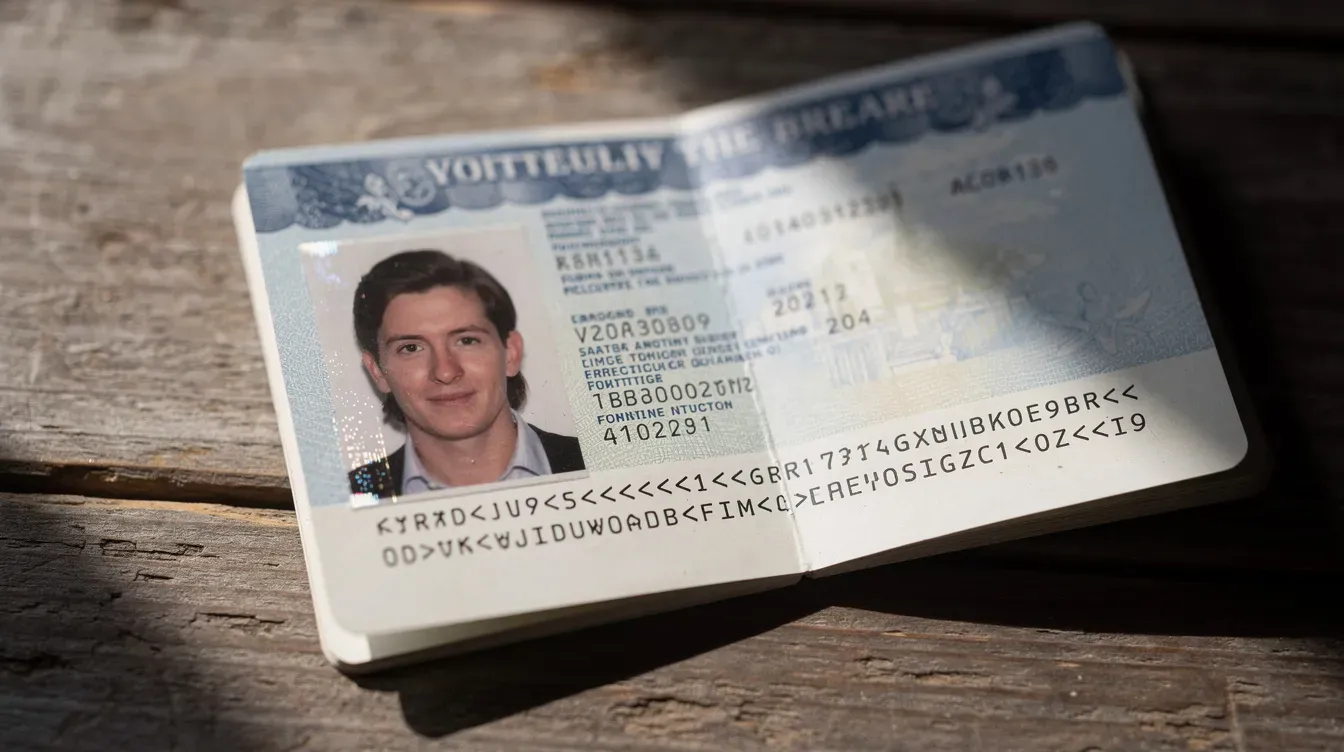
Your passport's expiry date might not be the date you think it is-at least not when it comes to actually travelling abroad. Many destinations require your passport to have at least 3 to 6 months of validity remaining after your departure date, which means a passport that looks perfectly valid could still get you turned away at check-in. Here is everything you need to know before your next trip.
Key Takeaways
The date of expiration on a passport is not always the last day you can travel. Countries impose their own passport validity rules, and many travellers discover too late that their passport meets neither the entry requirements of their destination nor the standards airlines use to decide who can board your flight.
Check two dates, not one. Both your passport's expiry date and your date of issue matter. For Schengen countries, your passport must be issued less than 10 years before the date you enter, and it must remain valid for at least 3 months after the date you leave.
EU vs rest of the world. Most european countries require 3 months validity after departure, while many countries in Asia, Africa, and the Middle East insist on 6 months validity from your arrival date.
Renew early. If your passport expires within the next 6–9 months, start a passport renewal now. Standard processing takes about three weeks, and longer during busy times.
Where to check. British citizens should use GOV.UK pages for checking passport validity. An irish citizen can check the Department of Foreign Affairs website.
Airlines enforce the rules. You can be denied boarding at check-in if your passport doesn't meet the destination's entry rules-even if the passport has not officially expired.
Allow several weeks for a new passport application, and always verify requirements before making non-refundable bookings.
Understanding Your Passport Expiry Date
In legal terms, the date of expiration passport printed on the data page is the final day that document is valid as a travel document. After that date, it is technically expired and cannot be used for identification or border crossing.
But here is where many travellers get caught out: checking passport validity means more than glancing at that single date. Two dates on your passport matter:
Issue date - the day your passport was issued.
Expiry date - the day it stops being valid.
Adult passports are typically valid for 10 years. Passports issued after 2018 are valid for exactly 10 years, while passports issued before September 2018 may be valid for up to 10 years and 9 months because remaining months from an old passport were sometimes added on. Child passports are valid for five years, not ten.
Here is a concrete example: if your passport expires on 30 November 2026 and you travel on 15 September 2026, some countries may still deny entry because they require 6 months validity from the date of entry. Your passport is valid, but it does not meet their entry requirements.
Open your current passport right now and note both dates. Do not rely on memory.
Checking Passport Validity for EU Countries
After the uk left the European Union, passport requirements changed significantly. British citizens are now treated as non-EU nationals under the Schengen Borders Code, which means two rules apply simultaneously.
The 10-year rule: Your uk passport must be issued less than 10 years before the date you enter any eu country in the Schengen area. If the passport was issued more than 10 years before entry, you will be refused entry-even if the printed expiry date is months away.
The 3-month rule: Your passport must be valid for at least 3 months after the date you leave the Schengen area.
Example calculation
Detail | Date |
|---|---|
Passport issue date | 10 March 2016 |
Passport expiry date | 10 January 2027 |
Entry date | 1 July 2026 |
Departure date | 15 July 2026 |
Issue-date check: 10 March 2016 to 1 July 2026 = over 10 years → fails.
Expiry check: 3 months after the date of departure (15 July) = 15 October 2026. Passport expires 10 January 2027 → passes.
Because the issue-date test fails, this british passport holder would not be allowed to enter the Schengen area, despite the passport's expiry date being well ahead.
Extra months from old passports issued before September 2018-those unexpectedly extended validity periods-do not count for EU travel validity. The Schengen rules measure strictly from the date of issue, so many uk passport holders travelling to popular destinations like Spain, France, Greece, or Italy are caught off guard. Check your passport against GOV.UK guidance for the specific european countries you plan to visit.

Rules Outside Europe: How Many Months Validity Do You Need?
Outside Europe, different rules apply, and they are often stricter. Many countries require passports to be valid for six months from your arrival date-or sometimes your departure date.
Countries with a 6-month rule include Thailand, China, Egypt, the UAE, Indonesia, and India, among others. These are popular destinations for uk travellers, and falling short by even a single day can mean denied entry at the border.
More lenient countries such as the USA and Canada generally accept a valid passport that covers the duration of your stay, though airline policies may still enforce a 6-month check via their systems.
There is no single global rule. Each country sets its own passport requirements, and these can change at short notice. If you hold a non uk passport, check with your own government and the embassy or consulate of the country you are visiting, as rules can differ from those for uk passport holders.
Anyone whose passport expires within the next 6–9 months should seriously consider a passport renewal before booking long-haul travel plans.
When Your Passport Expires Soon: Renew or Travel?
"My passport expires in 4 months-can I still go on holiday?" The answer depends entirely on where you are going.
Renew your passport if:
You are travelling to the Schengen area and your passport will be 10 years old or more on the date you enter.
Your passport will have less than 3 months validity after your departure date from most european countries.
You are visiting a country that requires 6 months validity and your passport falls short.
Airlines can refuse boarding for invalid passports. They check your travel documents against the destination's entry requirements at check-in, and being denied boarding means losing your flight and accommodation costs-expenses that travel insurance typically does not cover.
Renewing a passport takes about three weeks through standard processing, but during peak travel periods it can stretch longer. Urgent passport renewal can be done in one day or one week through Fast Track or Premium services, but these cost significantly more and require an in-person appointment at a passport office. Treat them as a last resort if you need a passport urgently.
Apply well before making non-refundable bookings, and factor in that you must send your current passport when renewing-meaning you cannot travel during that window.
Special Considerations for British and Irish Citizens
British citizens and Irish citizens face slightly different rules, and understanding the gap matters.
An irish citizen benefits from EU free movement. They can travel to any eu country using a valid irish passport (or in some cases a national identity card) without worrying about the post-Brexit 10-year issue-date rule that applies to british citizens. Irish passport holders also have the option of using an Irish Passport Card for travel within the European Union.
British citizens, by contrast, are treated as third-country nationals under Schengen rules. The 10-year passport rule and the 3-month validity requirement both apply. Within the Common Travel Area (UK, Ireland, Crown Dependencies), travel is simpler-but airlines may still insist on a passport that has not passed its expiry date, even where border formalities are lighter.
If you hold dual citizenship (UK and Irish), travel on whichever passport gives the most favourable entry conditions. If you are a family member of an EU citizen, your immigration status or pre settled status may grant different rights, but your passport is valid only if it meets the entry rules of the country you are visiting. A driving licence is not a substitute for a valid passport when travelling abroad.
How to Check Your Passport and Plan Ahead
Follow this checklist before booking any trip:
Open your current passport and confirm the exact expiry date and issue date printed inside.
Look up the passport validity rules for your destination-use official government sources, not outdated blogs or paper forms from years ago.
For Schengen countries: check that your passport was issued less than 10 years before the date you enter and that it has at least 3 months after the date you leave.
For destinations outside Europe: check whether they require 6 months validity from your arrival or departure date.
Factor in your return date, not just the date of entry.
Set a calendar reminder at least 9–12 months before your passport's expiry date. This gives you time to gather supporting documents, take a new digital photo, and submit a passport application without last minute surprises.
You can renew your passport online or via Check & Send services at your local post office. Remember: you must send in your old passport, and you cannot travel between posting it and receiving your new passport. For further information, check GOV.UK or call the Passport Advice Line.

FAQ
These questions address common scenarios around borderline expiry dates and last-minute travel that many travellers face.
Can I travel if my passport expires during my trip?
Most countries require your passport to be valid for the entire stay, and many require extra months validity beyond your departure date. If your passport expires on 1 August 2026 and your return flight is 5 August 2026, you are likely to be refused entry and denied boarding on the outbound flight. Border officials can deny entry with an invalid passport, and you would bear all costs. Renew your passport before travelling if there is any chance it could expire while abroad.
Is 3 months validity really enough for all countries?
Three months after the date of departure is the standard for schengen countries, but it is not universal. Many countries require passports to be valid for six months from arrival. Never assume 3 months is sufficient-check your passport meets the specific entry requirements for each destination. Keeping at least 6 months left is the safest general guideline.
What if the airline lets me board but the border control refuses entry?
Both airlines and border officials enforce entry rules independently. If border control refuses you because your passport fails validity checks, you may be sent back on the next available flight at your own expense. Travel insurance rarely covers losses caused by failing to meet passport requirements. Always verify rules before departure.
Do I need extra passport validity if I do not need a visa?
Yes. Visa exemption does not remove passport validity requirements. British citizens visiting the schengen area without a visa still need a passport that meets the 10-year rule and has at least 3 months validity after departure. Treat passport validity and visa rules as two separate checks-your passport must pass both.
How early should I renew my passport before it reaches its expiry date?
Start the process when you have around 6–9 months left. This buffer accounts for peak-season delays-standard processing takes about three weeks, but can run longer during busy times. Renewing early means passports issued in good time will meet 3- or 6-month validity requirements for virtually any destination. It also avoids expensive urgent applications that depend on limited appointment slots, and ensures a family member or travel companion is not left scrambling.