Key Takeaways
The cost for MOT is legally capped across the UK, but what you actually pay at a local garage is often well below that ceiling. Here's what matters most before you book.
The maximum mot fee for a standard car mot test (Class 4) is £54.85 in 2026. However, garages often charge between £30 and £45 due to competition across the market.
This mot cost covers the test only. Any repairs after a car fails its mot are charged separately, and repair costs can easily exceed the test fee itself.
Mot costs vary depending on the type of vehicle you drive. Cars, motorcycles, vans, and public service vehicles each have different maximum fees set by the DVSA.
Simple checks before your car mot - testing lights, checking tyres, topping up screenwash - can prevent common mot failures and save you money on both repairs and retest fees.
Booking your mot and service together at a trusted garage typically reduces your overall spend compared to handling them separately.
Introduction: How Much Does an MOT Really Cost?
An MOT test is a mandatory annual assessment of a vehicle's roadworthiness. It is a legal requirement for most cars in the UK once they reach three years old, and it must be renewed every year after that. Without a valid mot certificate, you cannot legally drive on public roads or maintain valid insurance.
The UK government caps the maximum mot fee at £54.85 for most cars, but many mot test stations advertise lower prices to win customers in a competitive market. That fixed price covers only the inspection itself. If your vehicle fails, the cost of putting things right is where budgets can stretch.
MOT testing helps prevent accidents caused by faulty vehicle components, so the test serves a genuine safety purpose beyond ticking a legal box. From 2026 onwards, tighter rules around emissions and safety checks could increase the chance of borderline cars failing and needing extra work.
This article breaks down official MOT fees, typical real-world prices, repair costs, and practical ways to keep your overall mot costs under control.
Official MOT Costs in the UK (By Vehicle Type)
The Driver and Vehicle Standards Agency (DVSA) sets the maximum mot fee by vehicle class across Great Britain. MOT prices vary by vehicle type and size, so what you pay depends on whether you're bringing in a standard motorcycle or a heavy goods vehicle.
Here are the current statutory caps for 2026:
Vehicle Class | Description | Maximum MOT Fee |
|---|---|---|
Class 1 & 2 | Standard motorcycle (max net power varies) | £29.65 |
Class 2 (sidecar) | Motorcycle with sidecar / three-wheelers over 450 kg | £37.80 |
Class 4 | Cars and light vans (up to 8 passenger seats) | £54.85 |
Class 5 | Private passenger vehicles (9–12 passenger seats), some public service vehicles including ambulances | Up to £80.65 |
Class 7 | Vans and light goods vehicles up to 3,500 kg (max unladen weight and gross weight limits apply) | £58.60 |
These maximum mot fee figures are for the test only. You do not pay VAT on the mot fee itself, which means £54.85 is the final maximum price for a car mot.
Notably, the maximum mot fee has not changed since 2010. Garages can charge less than the maximum mot fee, but never more, so drivers should treat the cap as the worst-case mot cost. Engine size, while it can influence service cost for maintenance items, does not change the official test fee within a given class.
What You Actually Pay: Typical Garage MOT Prices
Real mot costs on the high street are usually lower than the legal cap because garages use mot tests to attract customers through the door. In a busy market, the test itself often functions as a loss leader.
Typical price ranges for a car mot look like this:
National chains and aggressively priced independents: around £25–£35
Most independent local garages: £35–£45
Main dealers and premium urban locations: near the £54.85 cap
Location affects MOT pricing significantly. Urban areas generally have more competitive pricing for mot tests because there are more garages competing for business. Central London and the South East tend to charge closer to the maximum, while smaller towns in the Midlands, Wales, or northern England may offer cheaper deals.
Many garages offer discounts for bundling MOTs with other services - for example, "£10 off your MOT when booked with a full service" or seasonal promotions during quieter months. These package deals are worth looking for.
While a very low car mot test price can be tempting, quality of the inspection, customer reviews, and retest terms are just as important as saving a few pounds.
What’s Included in an MOT Test (and What Isn’t)
It's worth understanding exactly what mot tests cover so you don't confuse the test with a full service. The inspection covers approximately 30 different areas of the vehicle, all focused on whether it meets minimum safety and environmental standards.
What the MOT checks:
Brakes - pads, discs, handbrake effectiveness
Tyres and wheels - tread depth (minimum 1.6 mm), condition, correct size
Lights and indicators - all exterior bulbs and signals
Steering and suspension - joints, shocks, play in the wheel
Seat belt installation check and seatbelt installation check for all fitted belts
Windscreen, wipers, and washers
Mirrors and visibility
Bodywork corrosion and structural integrity of load-bearing panels
Exhaust emissions - evaluated during the mot test to confirm the car meets environmental standards
Seatbelts and mirrors are also checked in the MOT inspection
What the MOT does not cover:
The MOT does not assess the engine, clutch, or gearbox condition. It won't pick up internal mechanical wear, air conditioning faults, or infotainment problems unless they directly affect roadworthy safety. Regular servicing at a local garage fills this gap and keeps on top of long-term reliability alongside the annual legal requirement.
How Repairs and MOT Failures Affect Your Total Costs
The mot fee itself is fixed, but the real mot cost for the year often depends on what happens if your vehicle fails. Data suggests that around 28–40% of first-time mot tests result in failure, and the probability increases with vehicle age.
When a car fails its mot, defects are classified as:
Dangerous - the vehicle must not be driven on public roads until repaired
Major - must be fixed before a pass certificate (VT20) is issued
Minor / Advisory - noted but does not prevent a pass
These appear on the VT30 failure certificate. You can drive to a garage for repairs if no dangerous faults exist, provided your previous mot certificate is still within date.
Common repair costs after a failed MOT:
Repair | Typical Cost |
|---|---|
Bulbs / wiper blades | £5–£80 |
Tyre replacement (per tyre) | £60–£180 |
Brake pads and discs (one axle) | £80–£350 |
Suspension components (ball joints, shocks) | £100–£500+ |
Exhaust / catalytic converter / emissions | £80–£600+ |
Common repairs after a failed MOT include brakes and tyres, which together account for roughly 19% of all mot failures. Repair costs can easily exceed the mot test fee of £54.85.
Retest rules: If you leave your car at the same test centre for repairs and return within 10 working days, you're eligible for a free retest or partial retest at reduced cost. Miss that window or take the car elsewhere, and you'll pay the full test fee again. Always ask in advance about retest fees, labour rates, and parts prices so you understand the complete mot costs if your car fails.
Typical MOT and Service Cost Scenarios
Budgeting for your mot is easier when you have a realistic idea of what drivers in similar situations typically pay. Here are three common scenarios combining mot test cost and likely repair or service cost.
4–5-year-old car, full service history A well-maintained car at this age will typically pass. You might need minor items like wiper blades or a bulb. Budget around £50–£90 total to cover the mot cost and small fixes.
8–10-year-old family car, average mileage Wear on brakes, tyres, and suspension becomes more likely. A sensible budget is £150–£250 including the mot and the most common mid-range repairs carried out during the year.
12-year-old high-mileage car Older vehicles may incur higher repair costs before passing. Corrosion, suspension deterioration, and emissions faults are all more probable. Set aside £250–£400+, and be prepared that serious issues like catalytic converter failure or structural rust could push the total higher.
Booking your mot and servicing together at a trusted local garage can reduce the overall service cost, since labour for overlapping jobs is shared and parts prices can sometimes be negotiated.
Ways to Keep Your MOT Costs Down
Simple preparation before your car mot test is the easiest way to avoid unexpected mot costs. Most of the cheapest failures to fix are also the easiest to spot at home.
DIY checks to do the week before your MOT:
Walk around the car and test all exterior lights - headlights, indicators, brake lights, fog lights, and number plate lights
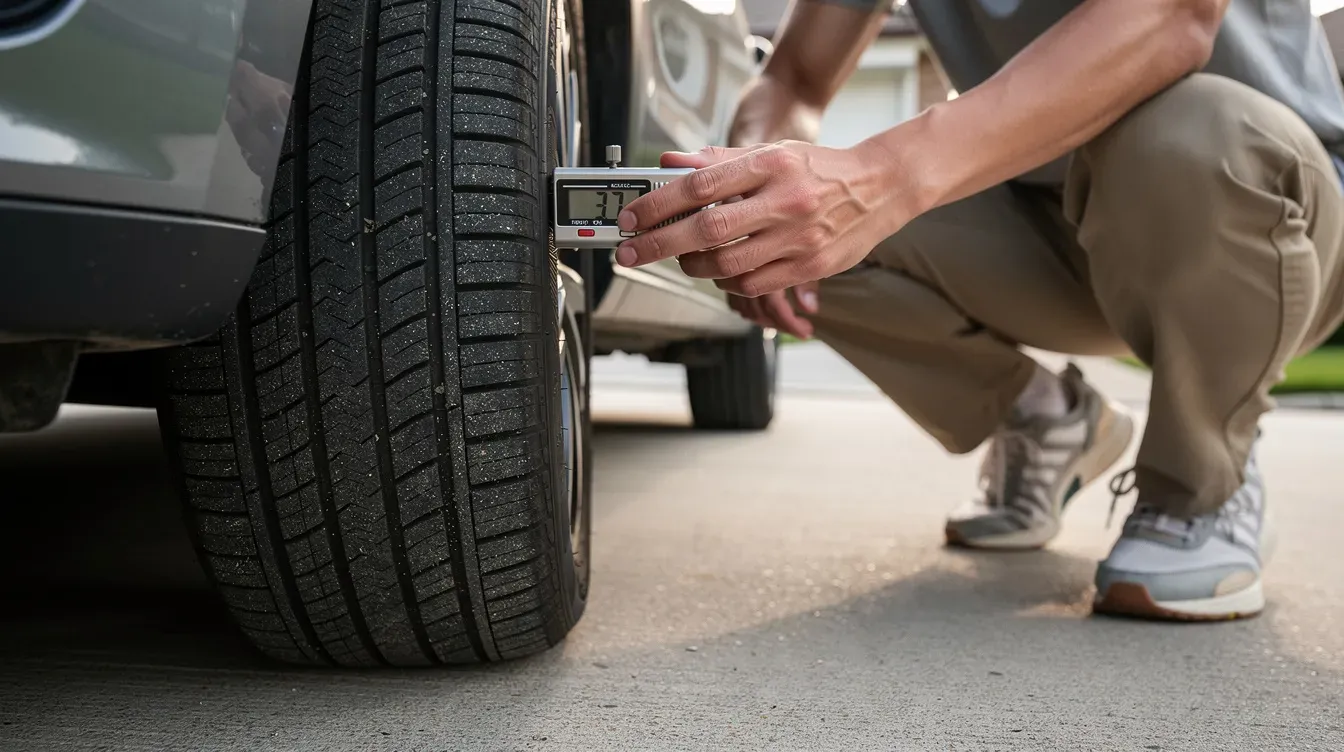
Check tyre tread depth (legal minimum 1.6 mm) and pressures on all four corners
Top up screenwash and make sure wipers clear the windscreen properly
Clean number plates so they're readable
Clear any clutter that might obstruct seatbelts or mirrors
Ensure all mirrors are secure and undamaged
These simple checks take fifteen minutes and address some of the most frequent mot failures.
Beyond the pre-test checklist:
Use your vehicle's previous mot history to anticipate advisory items that may have become failures by now
Compare quotes from several local garages. Pay attention not only to mot cost but also to reviews, retest policy, and opening hours so you can book on a convenient date
Don't leave it until the last minute. You can book your mot up to one month (minus one day) before the renewal date without losing your anniversary, giving you time to handle any repairs calmly rather than rushing
Regular servicing throughout the year catches issues early, so that fixes can be planned and budgeted rather than discovered as nasty surprises at mot time
FAQ: Common Questions About MOT Costs
Does MOT cost include repairs if my car fails?
No. The official mot fee only pays for the inspection and result. The fee only covers the test itself; repairs are additional costs. If your car fails its mot, the garage will provide a separate quote for parts and labour. This is what makes total mot costs vary so much - the test price is predictable, but the repair bill depends entirely on the condition of your vehicle.
Is there VAT on the MOT test itself?
The mot test fee is exempt from VAT, so the maximum £54.85 for a car mot is the final price for the test alone. However, any parts and labour used to fix mot failures are normally subject to standard VAT. You will pay vat on those repair invoices, which is why they can be noticeably higher than the bare test fee.
Can I get a discount by booking MOT and service together?
Yes. Many local garages and national chains offer reduced mot costs or package prices when you book a service at the same time. This is one of the easiest ways to save money. However, compare overall package prices and service levels - not just headline MOT discounts - to make sure the combined service cost and mot still represent good value. Verification successful completion of both test and service in one visit also saves you a second trip.
What happens to my insurance if my car has no valid MOT?
Driving without a valid mot certificate is illegal on public roads, except when driving directly to or from a pre-booked mot test. Most insurance policies require that your vehicle is roadworthy and holds all necessary certifications. If your mot has expired and you're involved in an incident, your insurer is likely to void your cover entirely. Fines for driving without a valid mot can reach £1,000, and if the vehicle is in a dangerous condition, penalties can climb to £2,500 with penalty points. Keeping on top of expiry dates is just as important as managing mot costs.
Is it cheaper to use a main dealer or a small local garage for an MOT?
Main dealers typically charge closer to the maximum price for an mot test, while many independent local garages and chains advertise cheaper mot costs. The difference can be £10–£25 on the test alone. That said, weigh the price against convenience, customer reviews, and the quality of workmanship. An mot needed at a garage you trust is better value than saving a small amount and ending up with inflated repair costs or missed defects. Factors like location, the type of vehicle, and whether the garage offers a free retest within the 10-day window all play a role in the true cost.