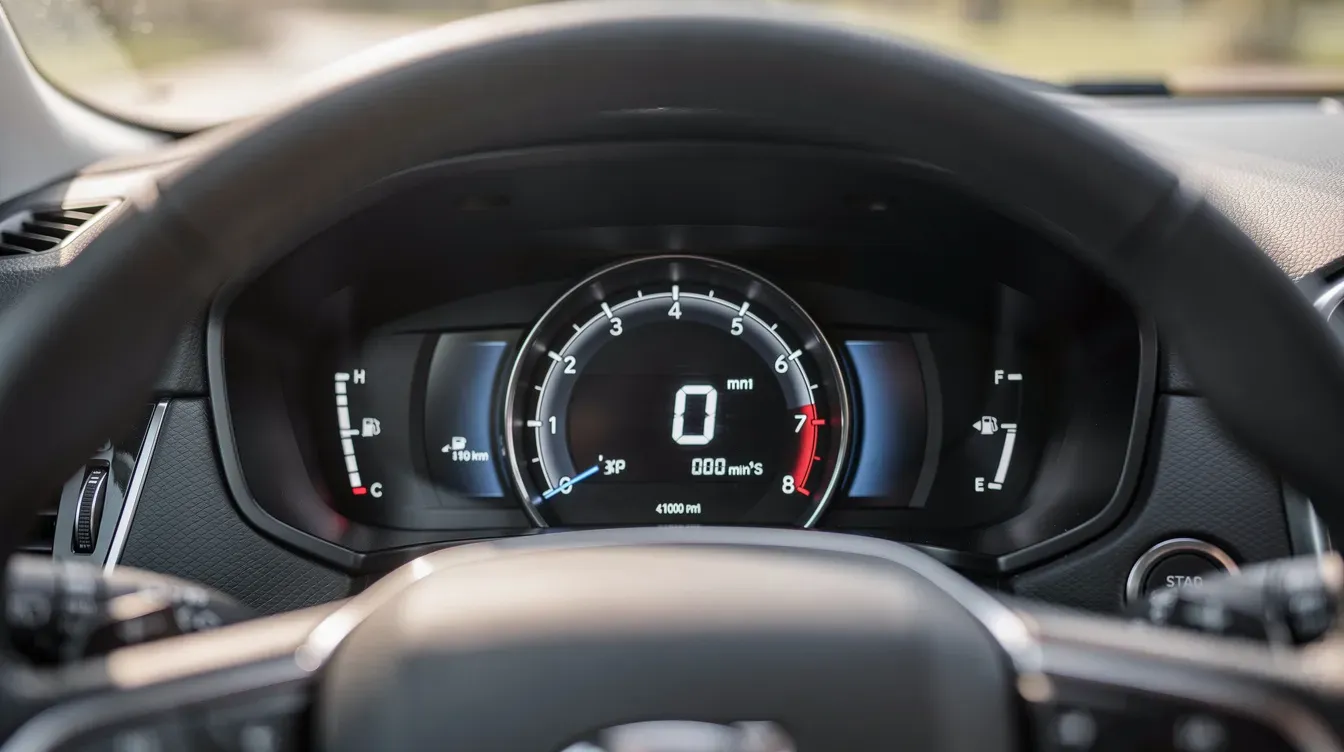
A wrong mileage reading on your MOT certificate might seem like a minor admin error, but it can knock thousands off your car's value, scare away buyers, and even raise suspicion of fraud. Whether it's a simple typo or something more serious, getting the correct mileage on your MOT record is something every vehicle owner needs to understand.
Key Takeaways
Incorrect mileage on an MOT certificate is common, usually caused by human error, and should be fixed as soon as you notice it.
If the MOT test was within the last 28 days, contact the original MOT centre directly to have the mileage reading corrected.
If more than 28 days have passed, you must submit evidence online to the Driver and Vehicle Standards Agency (DVSA) to correct incorrect mileage records on the MOT database.
Always check your MOT mileage data online before buying or selling a used car to avoid mileage fraud and protect the car's resale value.
Keep photos, service records, and invoices that show your vehicle's mileage at key dates throughout ownership.
Why Correct Mileage on Your MOT Matters
Correct mileage in the context of a UK MOT means the odometer reading recorded on the MOT certificate and stored in the DVSA MOT database accurately matches what the vehicle's odometer displayed at the time of the test. Since 2012, MOT certificates have included mileage readings from the three most recent passes, forming part of the official mileage history for every car, van, and motorcycle in Great Britain.
Even a simple error - an extra zero typed by an MOT tester, or two digits transposed - can look like evidence of criminal clocking when someone checks the MOT history online. Potential buyers routinely review this data, and a mileage discrepancy is one of the fastest ways to kill a deal. Buyers may abandon a sale entirely due to mileage discrepancies, and vehicles with incorrect mileage may appear to have higher wear and tear than they actually do.
The consequences go beyond a lost sale:
Incorrect mileage can reduce vehicle resale value significantly
Insurers or finance companies may question the car's mileage and refuse cover or finance
Incorrect mileage can lead to financial loss for owners who cannot sell at a fair price
Maintenance schedules based on wrong mileage data may lead to missed services or premature part replacements
Over 3 million UK vehicles have reduced mileage due to fraud, which means many buyers approach any mileage anomaly with suspicion. Accurate mileage records build buyer confidence and trust, and keeping your MOT record clean is one of the simplest ways to protect your car's value and maintain a reliable service history.
How to Spot Incorrect Mileage on Your MOT
The moment you collect your car after an MOT test, check the MOT certificate against the odometer on the dashboard. This takes seconds and catches the majority of recording mistakes before they become embedded in the system.
Here is what to look for:
Compare readings on the day. The recorded mileage on the certificate should match (or be very close to) what the vehicle's odometer shows when you pick it up. Inconsistencies in odometer displays can lead to misreading mileage, especially if the trip meter is showing instead of total mileage.
Check the MOT history online. Use the government's free MOT history tool with your registration number to see all past mileage readings. Look for any backward jumps, suspiciously static readings, or sudden large increases.
Cross-reference with service records. Compare MOT mileage with entries in your service book, a service receipt from a main dealer, or any invoice from an independent garage that shows date and mileage. Check service records to compare with current odometer readings for discrepancies.
Use a vehicle history report. Third-party history check services pull data from multiple sources to identify potential mileage tampering across the full ownership chain.
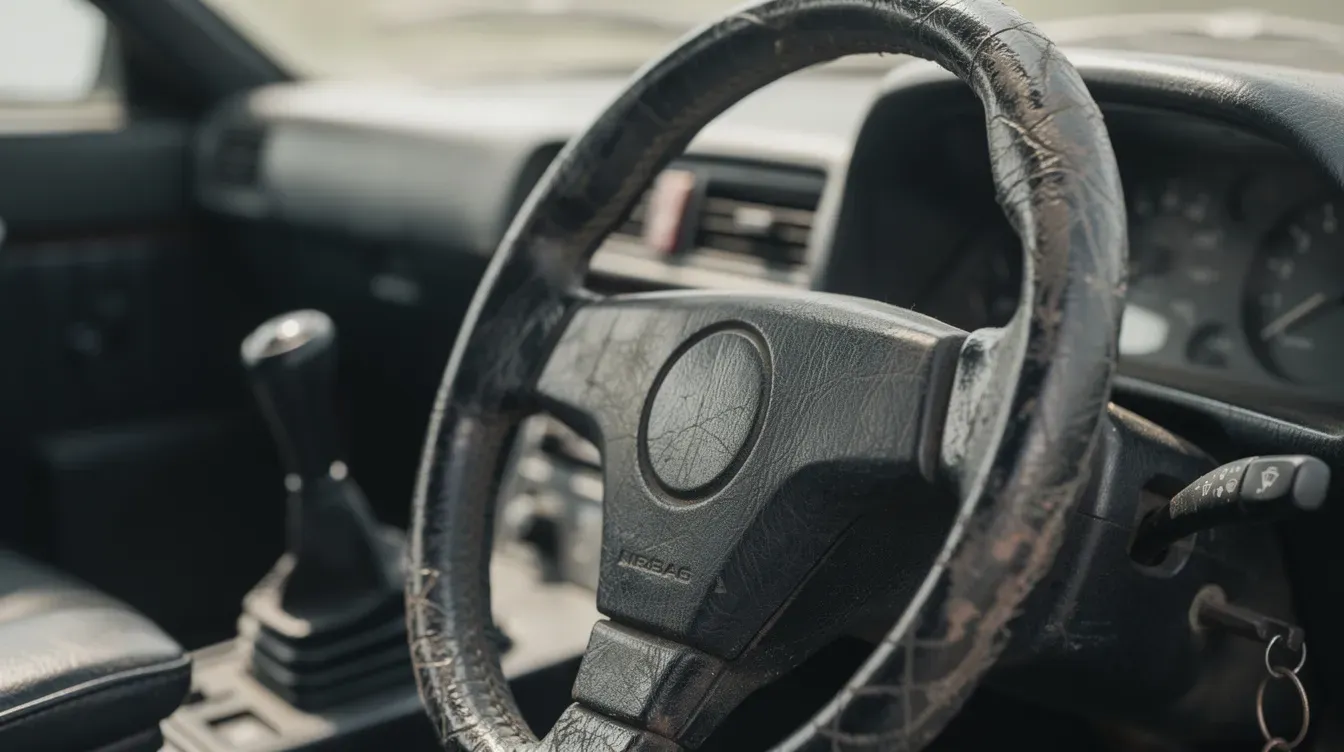
Physical evidence matters too. Inspect for signs of wear that do not align with the displayed mileage on the vehicle. Severe wear on a vehicle's interior typically indicates higher usage than low odometer readings suggest - things like shiny pedal rubbers, a worn steering wheel, or a flattened driver's seat bolster should be consistent with the odometer reading. The car's interior condition should match its odometer reading accurately for consistency.
Get the Wrong Mileage Corrected on Your MOT
The correction process depends on timing: whether the MOT test was done within the last 28 calendar days, or earlier. MOT testers and the DVSA use the same official MOT database, so both the digital record and any printed certificates must reflect the correct mileage to avoid future problems.
You cannot change mileage records yourself. Vehicle owners can report incorrect mileage to the DVSA, but corrections must go through either the MOT centre or the DVSA following the official process.
Why do errors happen in the first place? MOT testers can make keying errors when entering mileage - human error accounts for many mileage recording mistakes. Conditions like dyslexia and dyscalculia can hinder accurate mileage recording, and technical glitches in the MOT system can also cause mileage errors. If the odometer is accurate but the official mileage record is wrong, no alteration to the car is needed - only the database record requires updating.
Acting quickly maximises the chance of an easy correction and avoids future suspicion of mileage fraud. This is especially important before you sell, part-exchange, or take finance on the vehicle.
If Your MOT Was Within the Last 28 Days
This is the fastest and simplest route. You can correct mileage errors within 28 days of the MOT, and the MOT centre handles it directly.
Contact the same MOT centre that carried out the test. Phone first, then follow up by email so you have a written record of your correction request.
Bring the vehicle back if asked. The MOT centre will usually want to see the car again to double check the odometer and confirm the current mileage reading.
The centre updates the MOT database. Once verified, the tester amends the mileage data in the MOT testing system so the certificate and online record match. A new certificate is issued free of charge, and the original must be destroyed.
Save everything. Download or print the updated MOT certificate and keep copies of any emails confirming the mileage correction as proof.
Notably, 42% of mileage errors were corrected after a warning message appeared in the testing system, meaning many mistakes are caught before the certificate is even finalised. But if one slips through, the 28-day window gives you a straightforward fix.
If Your MOT Was More Than 28 Days Ago
After 28 days, the test station can no longer amend the record on its own. For discrepancies over 28 days old, an appeal must be submitted to the Driver and Vehicle Standards Agency, which reviews and decides whether to change the mileage record.
Here is the process:
Gather evidence. Pull together previous MOT certificates, a vehicle job card or card from the mot centre, a service receipt or emissions printout with dates and mileage, and clear photos of the current odometer reading. Documentation should include reasons for the odometer adjustment, mileage readings, and service date. Use the DOT Check tool in the UK to verify correct mileage recorded during annual tests if needed.
Submit online. The DVSA must be notified of mileage errors after 28 days. Use the official DVSA correction form, attaching scans or photos of your evidence. Blank out any personal payment details before uploading.
Wait for review. DVSA may contact the MOT centre, review the mileage history across years, and then decide whether to amend the recorded mileage on the MOT database.
Recheck and save. After DVSA responds, check the online MOT history again to confirm the update. Save the corrected certificate as evidence for future buyers or finance checks.
The DVSA requires evidence dated within one day of the original MOT test wherever possible. If your only document is the faulty certificate itself, the correction may be refused - which is why keeping independent records matters.
Fixing Other MOT Record Errors (Vehicle Details and MOT Centre)
Mistakes don't only affect the car's mileage. The MOT record can also show wrong vehicle details or incorrect MOT centre information.
Common errors include:
Incorrect registration number or VIN
Wrong make, model, or fuel type
The wrong MOT test station listed on the certificate
These errors can be reported online to the DVSA using the official correction forms, similar to correcting mileage discrepancies. You will usually need supporting evidence such as V5C logbook scans, photos of VIN plates, or garage invoices showing the correct vehicle details.
Keeping all parts of the MOT record accurate helps avoid problems with police checks, insurers, and future buyers. Testing stations also face legal consequences for negligent mileage recording, so reputable centres have every incentive to get it right first time.
Mileage Discrepancies, Clocking, and Mileage Fraud
Simple mileage errors on MOT certificates are one thing. Deliberate odometer tampering is another matter entirely.
A mileage discrepancy is any inconsistency between the car's mileage reading and the mileage recorded on MOT certificates, service history, or online checks. It can be a harmless typo - or it can point to clocking.
Clocking means deliberately reducing the odometer reading to make a high-mileage car appear to have done fewer miles. Odometer tampering can falsely lower recorded mileage, and it is illegal - odometer tampering is illegal and can lead to prosecution. Selling or advertising a vehicle with altered mileage without clear disclosure is a criminal offence. Odometer fraud can lead to unlimited fines and civil lawsuits for damages.
In other jurisdictions, the Federal Odometer Act prohibits disconnecting or altering an odometer to change registered mileage, and violating the Federal Odometer Act can result in federal charges and fines.
How to deter criminal clocking and spot it:
A sudden drop in mileage between two MOT tests may indicate tampering rather than a typo
Repeated suspiciously low readings across several years are a red flag
A vehicle's mileage data is stored in various electronic control units, not just the dashboard - modern cars store mileage data in multiple ECUs, making it harder to manipulate convincingly
Use diagnostic tools to check mileage stored in harder-to-alter systems when inspecting a vehicle
Many buyers, dealers, and finance companies routinely review MOT mileage data to detect potential mileage fraud before agreeing a deal.
Checking a Car’s Mileage Before Buying or Selling
Anyone buying or selling a used car in the UK should treat the MOT mileage record as an important - but not infallible - source of truth about the vehicle's true mileage.
If you are selling:
Check the car's mileage recorded online and on the latest MOT certificate well before advertising. Correct any mileage errors first using the processes above.
You must disclose any known mileage adjustments to potential buyers or finance companies. Failure to disclose odometer changes upon selling a vehicle may lead to legal consequences.
Legal action may be necessary if disputes over mileage arise after a sale, so transparency upfront protects both parties.
If you are buying:
Use the official MOT history tool with the registration number, checking for gaps, suspicious drops, or other mileage discrepancies across the years.
Cross-check mileage with stamped service books, digital service records, and independent vehicle history reports where available.
If there is any unexplained incorrect mileage, either walk away or insist on a lower price and clear written disclosure of the discrepancy. Many buyers do exactly this, and the cost of getting it wrong is high.
Preventing Future Mileage Errors on MOT Certificates
Prevention is easier than chasing corrections through DVSA months after the fact. A few simple habits make a real difference.
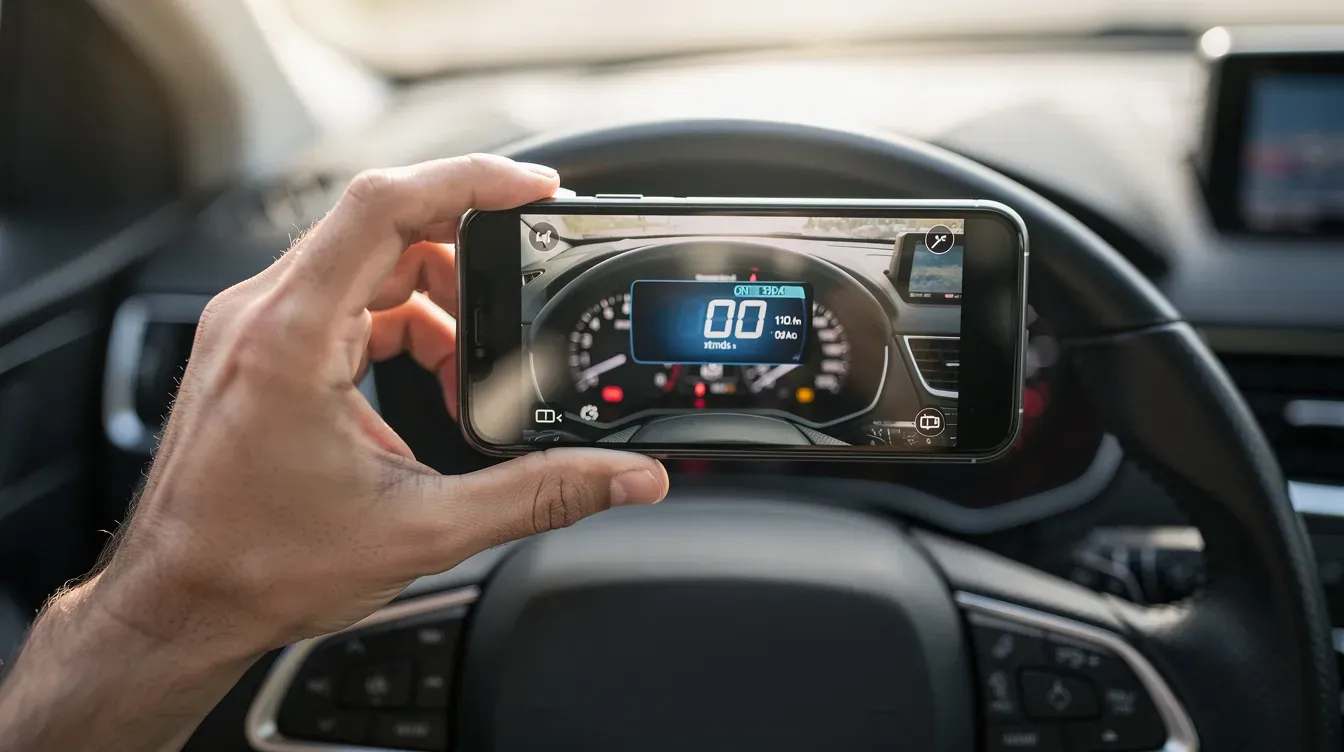
Photograph the odometer before dropping the car off for its MOT test. Keep the photo on your phone - it takes five seconds and gives you reliable proof of the true mileage on that date.
Check the certificate in front of the tester. When collecting the vehicle, always scan the mileage recorded on the MOT certificate before leaving. If it looks wrong, point it out immediately so the MOT centre can correct it the same day.
Choose reputable MOT centres. Use centres with good reviews and a track record for accurate record-keeping. This reduces the risk of repeated mileage errors.
Keep records of odometer adjustments for the lifetime of the vehicle. If an instrument cluster is ever replaced, proper adjustment must synchronize all modules that track mileage to avoid conflicts between ECUs and the displayed reading.
Maintain a paper trail. Every service receipt, invoice, and MOT certificate is a data point. The more evidence you have across the vehicle's life, the easier it is to prove the correct mileage if a question ever arises.
FAQ: Correcting MOT Mileage and Dealing with Discrepancies
Can I Sell My Car If There Is a Mileage Discrepancy on the MOT?
Yes, you can sell a car with a recorded mileage discrepancy, but you must disclose it in writing to avoid any suggestion of mileage fraud. Gather all supporting evidence - service records, previous MOT certificates, and odometer photos - to show the likely true mileage. Be aware that most potential buyers will expect a reduced price for a car with incorrect mileage records, and some may refuse to proceed with the purchase at all.
Is It Illegal for a Garage to Change My Car’s Mileage?
Altering an odometer is legal only when correcting a legitimate error - for example, after replacing an instrument cluster or ECU. Correcting a vehicle's odometer is generally legal for maintenance purposes when properly documented. However, selling or advertising a vehicle with altered mileage without clear disclosure is a criminal offence under UK consumer and fraud legislation. Keep invoices and written confirmation from any garage that legitimately adjusts odometer readings, so that future MOT mileage checks make sense and you have proof of the reason for the change.
What Evidence Do I Need to Prove the MOT Mileage Is Wrong?
DVSA and MOT centres look for a logical pattern in the mileage history, not just a single document. Concrete examples of acceptable evidence include:
Earlier MOT certificates showing consistent mileage progression
Service invoices with a date and mileage recorded
A vehicle job card from the MOT centre dated on or near the test day
An emissions printout showing the reading at the time of the test
Recent photos of the odometer with the registration plate or date visible
Where possible, provide evidence covering dates both before and after the MOT with the incorrect mileage to demonstrate the error clearly.
What If My MOT Mileage Is Higher Than the Real Mileage?
A mistakenly high mileage reading - for example, an extra zero turning 30,000 into 300,000 - can still seriously damage resale value and should be corrected using the same MOT centre or DVSA process. The odometer on the car cannot normally be wound back, so the goal is to correct the digital MOT record and MOT certificates, not the dash reading. Keep all correspondence confirming the correction in case a future buyer queries the high mileage that briefly appeared in the MOT history.
Can the Mileage on Very Old MOT Tests Be Changed?
DVSA is usually more cautious about amending very old test records, especially where documentation is limited or the car has changed owners several times. You can still submit a correction request with as much evidence as possible, but there is no automatic right to have historic mileage reading data altered. Focus on correcting recent MOT certificates and ensuring all future tests have the car's mileage recorded correctly to rebuild a trustworthy history over time.