If you receive certain benefits and live in England, Wales or Northern Ireland, you could be entitled to extra money every time a freezing spell hits your area this winter. This guide covers everything you need to know about the cold weather payment scheme for 2026/27, including who qualifies, how payments work, and what to do if one goes missing.
Key Takeaways
The cold weather payment scheme for winter 2026/27 runs from 1 November 2026 to 31 March 2027 in England, Wales and Northern Ireland. Scotland operates the separate winter heating payment instead.
Eligible people receive £25 for each seven day period when the average temperature in their area is recorded or forecast to be zero degrees Celsius or below. Payments are usually paid automatically within 14 working days.
You may qualify if you receive pension credit, income related employment and support allowance, income support, income based jobseeker's allowance, universal credit (with extra conditions), or support for mortgage interest.
Cold weather payments are extra money to help with energy bills and do not reduce or affect your other benefits, including Housing Benefit, Council Tax Reduction, or the winter fuel payment.
You can check whether a payment has been triggered for your postcode using the government's online checker, and you should contact your benefit office if you think you have been missed.
What Is a Cold Weather Payment?
A cold weather payment is a UK government scheme that provides extra money towards heating costs during periods of very cold weather. It exists because cold weather significantly increases gas and electricity consumption for space heating, and higher heating demand during cold weather leads to increased utility costs for the most vulnerable households.
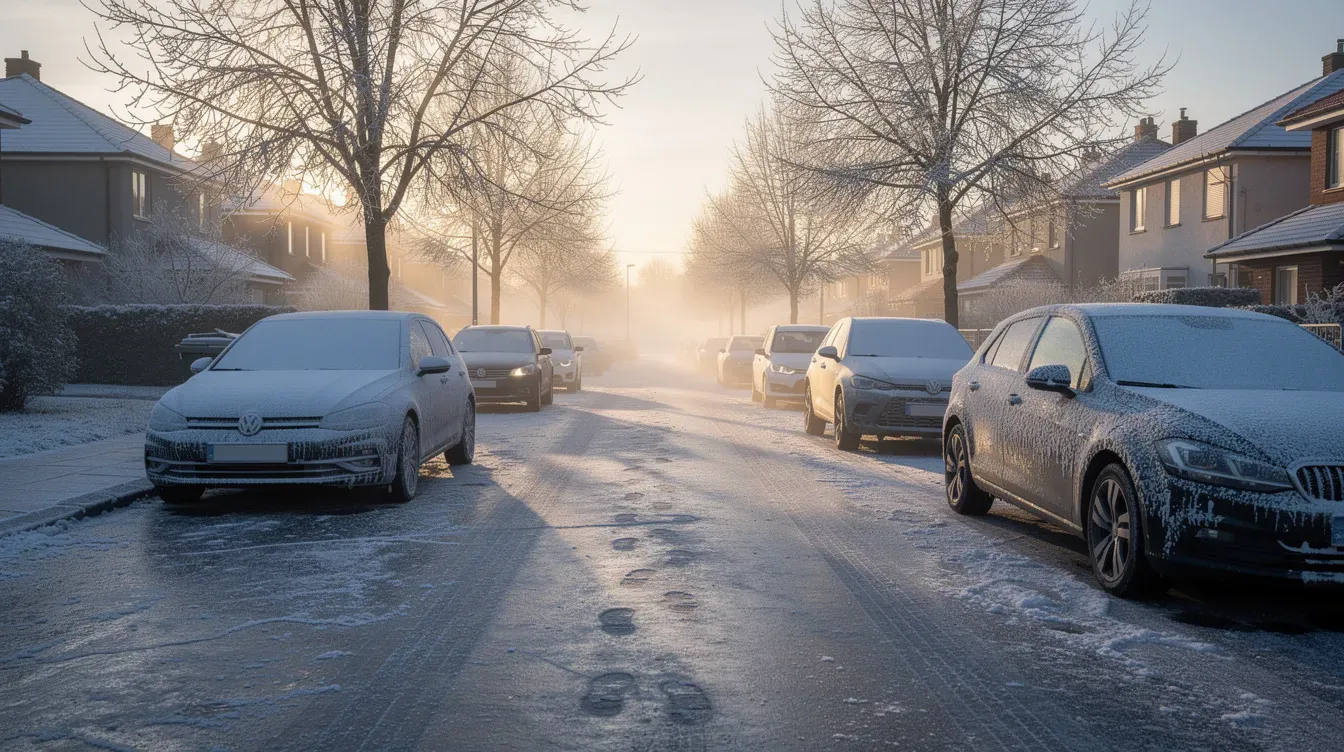
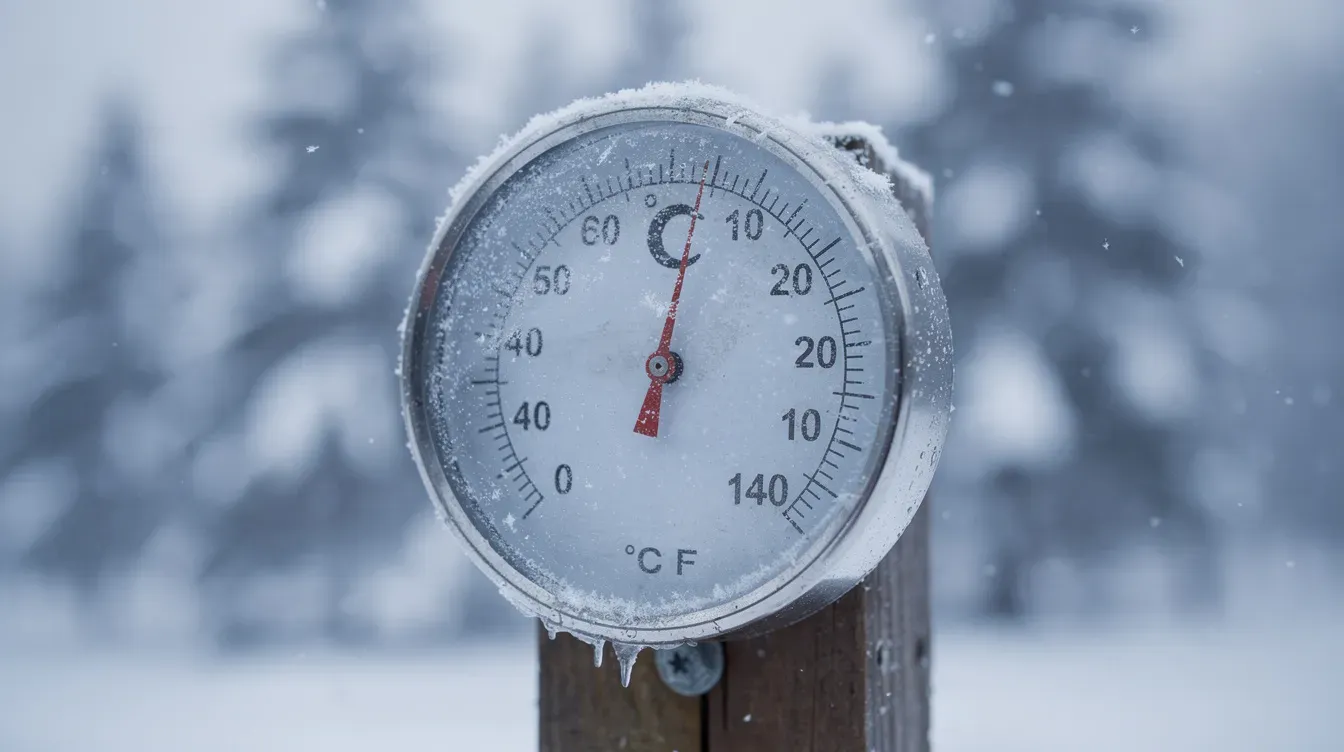
The scheme is triggered when the average temperature at the weather station linked to your postcode is recorded or forecast to be at or below zero degrees celsius for seven consecutive days between 1 November and 31 March. Each qualifying spell pays £25.
Cold weather payments apply in England, Wales and Northern Ireland only. If you live in Scotland, the Scottish Government operates the winter heating payment, a flat annual amount that is not tied to weather conditions. Payments are linked to certain benefits you receive, not to your age alone, and are designed specifically to help with higher winter energy bills.
This article focuses on the 2026/27 cold weather payment scheme, but the basic structure of dates, the £25 rate per seven days, and the temperature rules have remained consistent across recent winters.
How the Cold Weather Payment Scheme Works (2026/27)
The cold weather payment scheme for winter 2026/27 runs from 1 November 2026 to 31 March 2027.
Here is how the trigger works in practice:
A payment is triggered for your area if the average temperature at the weather station linked to your postcode is zero degrees celsius or below for seven days in a row, or is forecast to be that cold.
You can receive more than one payment in a single winter if multiple qualifying seven day periods occur, but each period must be separate. The temperature in your area must meet the rule again independently, since overlapping days cannot count towards a new trigger.
The Department for Work and Pensions uses Met Office data from a network of around 71 weather stations across England and Wales. Each postcode district is mapped to a specific station before winter begins, based on climate similarity, distance and local geography. You do not need to record temperatures yourself.
Cold weather payments are intended to cover extra heating use during a period of very cold weather. They are paid in addition to any winter fuel payment or other energy support you already receive.
What You’ll Get and When You’re Paid
You receive £25 for each qualifying seven day period of very cold weather between 1 november and 31 march. There is no overall cap on the number of payments you can receive in a winter, but each depends on a separate cold spell being recorded or forecast at your local weather station.
Detail | What to expect |
|---|---|
Amount per cold spell | £25 |
Payment window | Within 14 working days after the qualifying period ends |
Paid into | The same bank or building society account used for your qualifying benefit |
Tax status | Not taxable |
Effect on other benefits | None |
Payments are deposited into your benefit payment account, which is the same bank, building society account, or Post Office account where you receive your qualifying benefit. For example, if you get pension credit paid into a particular building society account, your cold weather payment will arrive there too.
Cold weather payments do not affect the amount of any other benefits you receive, including Housing Benefit, Council Tax Reduction, winter fuel payment, or tax credits.
Eligibility for Cold Weather Payments
You may get cold weather payments if you receive certain benefits or support for mortgage interest and live in England, Wales or Northern Ireland.
The main qualifying benefits are:
Pension credit
Income support
Income based jobseeker's allowance
Income related employment and support allowance
Universal credit
Support for mortgage interest (SMI)
Specific extra conditions can apply depending on your benefit. These include having a disabled child, a child under five at home, a disability or pensioner premium, or a severe disability element in your claim.
If you live in a care home, the rules on whether you can receive payments may differ depending on your benefit and whether your heating costs are already covered. You cannot get cold weather payments if you live in scotland, because the Scottish Government runs the separate winter heating payment.
Pension Credit and Other Income‑Related Benefits
Pension credit is the most straightforward route to cold weather payments. If you receive Guarantee Credit, Savings Credit, or both, you will usually qualify automatically whenever temperatures trigger the scheme in your area.
For other income related benefits, extra conditions apply:
Income support or income based jobseeker's allowance: You may qualify if you also have a disability or pensioner premium, a child who is disabled, Child Tax Credit with a disability element, or a child under five living with you.
Income related employment and support allowance: You are usually eligible if you are in the work related activity group or support group, or if you receive a severe or enhanced disability premium, an enhanced disability premium, a pensioner premium, or have a disabled child or a child under five.
Support for mortgage interest (SMI): You can qualify for cold weather payments through support for mortgage interest when it is paid alongside a qualifying benefit, particularly where the claimant has a pensioner premium, severe or enhanced disability premium, or a disabled child amount. Mortgage interest SMI recipients should check their individual position with their pension centre or benefits office.
Universal Credit and Employment and Support Allowance
Universal credit and employment and support allowance have their own specific cold weather payment rules, especially around work status and health condition.
Universal Credit rules:
You usually get cold weather payments with you universal credit if you (and your partner) are not employed or gainfully self employed, and you meet at least one extra condition: having limited capability for work, a limited capability for work related activity assessment, or a child under five at home.
You may also qualify if you receive the disabled child amount in your claim, even if you or your partner are working.
Make sure your online account is up to date. If a baby or young child comes to live with you, or if your disability status changes, update your journal promptly. Payments are linked to the information in your claim.
Employment and Support Allowance rules:
Those on income related employment and support allowance in a work related activity group or support group are usually eligible.
Others may qualify if they have specific premiums such as the severe disability element, a disabled child, or a child under five.
Contribution-based support allowance alone does not qualify you for cold weather payments. The benefit must be income related.
How to Check and Claim Cold Weather Payments
You usually do not need to claim cold weather payments. If you are eligible, payments should be paid automatically after each qualifying period of cold weather. There is no form to fill in.
You can check eligibility using the postcode checker online. The government's cold weather payment checker lets you enter your postcode to see if the temperature in your area has met the rule of being at or below zero degrees celsius for seven consecutive days between 1 November 2026 and 31 March 2027.
How to use the checker:
Visit the official gov.uk cold weather payment page.
Enter your postcode.
View whether any payments have been triggered for your location during the current winter.
You will never be asked by text, email or social media to provide bank details to receive a cold weather payment. Ignore and report any suspicious messages or calls about this.
If you move home during winter 2026/27, payments are based on the postcode linked to your benefit claim. Inform the office paying your benefit of your new address as soon as possible so your postcode-to-weather station mapping is correct.
Missing Payments, Hospital Stays and Care Homes
If you think you should have received a cold weather payment but it has not arrived within 14 working days, take action.
What to do if a payment is missing:
Contact the office that pays your qualifying benefit. For pension credit, this is the Pension Service or the relevant Northern Ireland pension centre. For income support or employment and support allowance, contact Jobcentre Plus or Jobs and Benefits in Northern Ireland. You must report to Jobcentre Plus if you don't receive a payment you expected.
Universal Credit claimants should sign in to their online account and add a note to their journal about the missing payment, or call the universal credit helpline using the number on their award letter.
Hospital stays:
If you go into hospital, report this to the office paying your benefit or update your Universal Credit journal. Longer stays may change your benefit entitlement and therefore your cold weather payment status.
Care homes:
People who live in a care home or residential home can sometimes get cold weather payments, but the rules differ. It depends on the benefit you receive and whether your heating costs are already covered by the home. If you live in a care home, check your individual circumstances with your pension centre or local benefits office.
Cold Weather Payments vs Other Winter Support
Cold weather payments are just one part of the support available for winter energy bills. Here is how they compare to certain other benefits and schemes:
Scheme | Amount | Who qualifies | Weather-dependent? |
|---|---|---|---|
Cold weather payments | £25 per 7-day cold spell | Certain benefit recipients in England, Wales & NI | Yes |
Winter fuel payment | £100 to £300 per year | Usually people over State Pension age receiving certain benefits | No |
Winter heating payment (Scotland) | £59.75 flat rate (2025/26) | Eligible Scottish benefit recipients during the qualifying week | No |
Warm home discount | £150 one-off discount | Eligible low-income households | No |
The winter fuel payment is an annual payment between £100 and £300 for eligible individuals, usually those over State Pension age, and is paid once each winter regardless of weather conditions. In Scotland, the winter heating payment replaces the cold weather payment for eligible individuals, providing a flat yearly amount.
The Warm Home Discount Scheme offers a one-off £150 discount on electricity bills for eligible households. Many energy suppliers also offer grants via hardship funds to help clear utility debts, and you can contact your energy supplier directly to ask about these.
Space heating accounts for the majority of household winter energy usage, and shorter days in winter lead to higher electricity usage due to increased lighting needs. Households on prepayment meters face a higher risk of self-disconnection in winter if they cannot afford to top up.
Beyond benefit payments, it is worth knowing that:
Local Welfare Assistance funds are available to cover basic essentials including energy bills.
The Energy Company Obligation requires energy companies to provide energy-saving improvements to homes.
Energy efficiency grants may help reduce future energy bills by upgrading homes.
Local councils may offer assistance for home insulation and heating improvements.
Do not rely solely on cold weather payments to save money on heating. Payments only occur when weather conditions meet the freezing threshold for days in a row, and in mild winters some regions may never trigger a single payment.
FAQ: Cold Weather Payments
Can I claim cold weather payments if I live in Scotland?
You cannot claim cold weather payments if you live in scotland, because the Scottish Government has replaced them with the winter heating payment. The winter heating payment is a flat yearly amount paid to eligible people on qualifying benefits, and it is not linked to how many days the temperature is at or below zero degrees celsius. Scottish residents should check the latest details on mygov.scot for exact eligibility rules, payment dates and the qualifying week requirements.
Do I have to spend my cold weather payment on energy bills?
There is no legal requirement to spend cold weather payments specifically on gas or electricity, but they are intended to help with heating and other winter energy costs. Using the extra money to cover part of your energy bill or to top up a prepayment meter can reduce the risk of running out of heating during a cold spell. If you are struggling with wider debt or arrears beyond winter fuel costs, budgeting advice services such as Citizens Advice can help.
Can I get more than one cold weather payment in a single winter?
Yes. You can receive multiple cold weather payments in the same winter if there is more than one qualifying seven day period of very cold weather in your area. Each payment is worth £25 and is triggered only if the average temperature is at or below zero degrees celsius for seven consecutive days at your local weather station. A milder spell in between resets the count, and a new period of freezing weather must start for another payment to be due.
What happens to cold weather payments if my circumstances change mid‑winter?
Changes such as a new baby, a child under five moving in, or a change in your health condition or disability status can affect eligibility because they may change your underlying benefit entitlement. Report changes of circumstances promptly to Jobcentre Plus, the Pension Service, or via your Universal Credit online account. If a change means you became eligible partway through winter, you may still receive payments for any qualifying seven day periods after the date your updated benefit award took effect.
Will getting cold weather payments reduce my other benefits or tax credits?
Cold weather payments are disregarded as income for benefit calculations and are not taxable. They will not reduce the amount of other benefits or tax credits you receive, including Housing Benefit, Universal Credit, pension credit, Council Tax Reduction, or tax credits. You do not need to report cold weather payments as income on tax returns or to the benefits office, as payment details are already known to the authorities.