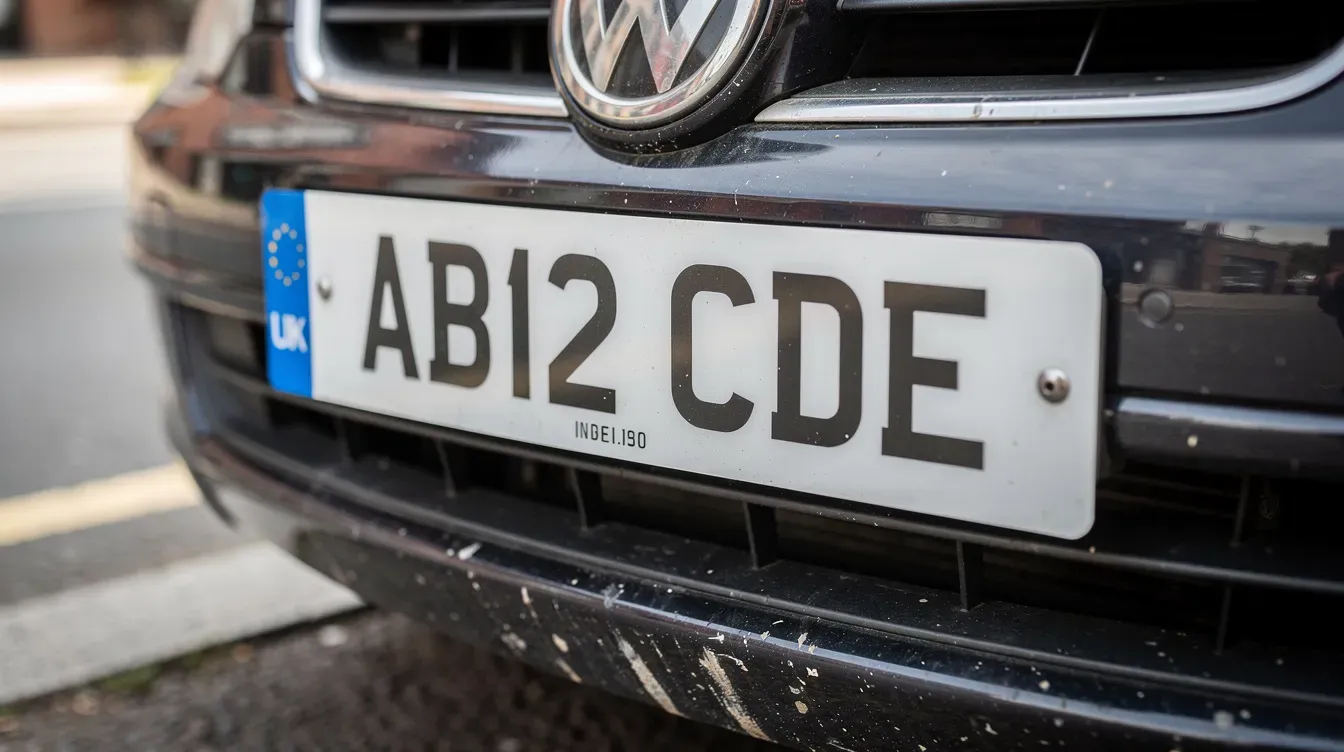
Every vehicle on UK roads must meet two non-negotiable legal requirements: a valid MOT and up-to-date car tax. Falling behind on either can land you with fines, penalty points, or even a clamped car. The good news is that you can check your vehicle's MOT and tax status online for free, in under a minute, using nothing more than a registration number. This guide walks you through the complete process.
Key Takeaways
You can instantly check mot and tax status for any UK registered vehicle using its registration number. The GOV.UK MOT Status Checker shows if your MOT is valid, while the vehicle enquiry service confirms tax status.
Driving with an expired mot or without valid road tax is illegal. Fines for no MOT can reach up to £1,000, and untaxed vehicles risk clamping or seizure.
MOT history checks reveal past test results, failure reasons, advisory notes and mileage readings, making them essential when assessing a used car before purchase.
Car tax (vehicle excise duty) status, including the tax expiry date and SORN declarations, can be verified online without needing to be the registered keeper.
All checks pull from official DVLA and DVSA records. You should run them before buying, selling or driving a vehicle to avoid legal risk or hidden problems.
What Is an MOT and Car Tax Check?
An MOT and car tax check tells you whether a vehicle is legally allowed on UK roads on a given date. It answers two simple questions: has the vehicle passed its safety test, and is it taxed?
An MOT test is an annual safety and emissions inspection required for most cars from the third anniversary of their first registration. MOT tests ensure vehicles are roadworthy and safe to drive, covering brakes, lights, steering, tyres and exhaust emissions. MOT certificates must be renewed annually for road legality.
Car tax, also called road tax or vehicle excise duty, is a mandatory charge for any vehicle used or kept on a public road in the UK. Vehicles that aren't taxed must be declared off the road with a Statutory Off Road Notification (SORN).
When you check the mot and tax status online, the service returns the current mot status, the mot expiry date, whether the vehicle is taxed or untaxed, and sometimes SORN information. You need the vehicle's registration number to check tax and MOT status. The data comes directly from official DVLA and DVSA records.
How to Check MOT Status and MOT History by Registration Number
Checking mot status online is straightforward. You can check MOT status online using the vehicle registration in just three steps:
Find the registration number. Locate the vehicle's registration number on the vehicle's number plate or V5C logbook. For example, it might read "AB12 CDE." Make sure you have the correct format.
Enter the registration number. Enter your registration number into an online MOT status tool. The GOV.UK MOT Status Checker shows if your MOT is valid, displays the current mot certificate status and confirms whether the vehicle has passed or failed its most recent test.
Review the results. The results show the current mot status (pass or fail), the mot expiry date and the due date for the next mot. The results from the DVLA service show tax expiry and MOT expiry dates together, so you get a complete picture in one check.
To dig deeper, click through to the full mot history. The GOV.UK MOT History Checker reviews past test results and mileage. MOT history includes all tests since 2005 for cars, motorcycles and vans tested in England, Scotland and Wales. Northern Ireland records are typically available from 2017 onwards.
Each historical record shows the test date, outcome, defect details, advisory notes and mileage recorded at the time of inspection.
New vehicles normally need their first MOT by the third anniversary of first registration. For example, a car registered on 10 March 2023 would need its first MOT by 10 March 2026.

Understanding MOT Results, Faults and Advisories
Reading the details of mot history matters far more than simply checking whether a vehicle currently has a pass. Every MOT test records mileage at each inspection, alongside defects and advisory notes. MOT history includes mileage readings and reasons for failure, giving you a timeline of the vehicle's condition over the years.
MOT results indicate pass, fail, or advisory status. Since May 2018, defects have been split into four categories:
Advisory – Minor issues to watch. The vehicle still passes, but maintenance is recommended. Common examples include early tyre wear or light surface corrosion.
Minor – Small issues that don't fail the test but should be corrected soon.
Major – Significant faults that fail the test. The vehicle cannot be driven until repairs are made. Typical examples include worn brake pads below the minimum threshold or defective headlamp alignment.
Dangerous – Critical safety risks. Dangerous defects must be repaired before driving. The vehicle must not be used on any public road.
MOT failures and advisories are documented in history permanently. Recurring advisories in the same area (for example, brake components flagged at every test for three years running) suggest the owner has been deferring maintenance, which could mean expensive repairs ahead.
Long gaps between MOT tests may indicate the vehicle sat unused, was off the road, or was poorly maintained. Mileage readings that drop between tests can signal mileage clocking or a data entry error.
Driving a vehicle with an expired mot is illegal except when driving directly to a pre-booked MOT test or to a garage for repairs related to a failed MOT, provided no dangerous defects are present.
How to Check Car Tax (Road Tax) Status Online
Checking vehicle car tax checks is just as quick as verifying MOT status. A car tax checker shows whether a vehicle is currently taxed, when its vehicle tax expires and whether it is registered as off the road (SORN).
Here is how to use the online car tax checker:
Have the registration number ready exactly as shown on the number plate.
Enter the registration into the checker. Visit the GOV.UK Vehicle Enquiry Service to see if your vehicle is taxed. You can check car tax status online using the registration number alone; you do not need to be the registered keeper.
Review the vehicle details. The tool returns key details from the DVLA database including make, model, colour, fuel type, engine size and year of first registration, so you can confirm you are checking the correct car.
The DVLA service shows if a vehicle is registered as SORN. The results also display the tax expiry date and current tax status.
Road tax and car tax are different names for the same vehicle excise duty charge. Most vehicles on a public road must either be taxed or have a valid SORN declaration in place.
Keep in mind that data normally updates within around two working days after a successful tax application. If you have just renewed, the online service may briefly still show "untaxed."
What Information You Get from Combined MOT and Tax Checks
Running both checks together gives you a complete legal and condition snapshot of any vehicle. Here is what you typically see:
MOT details:
Current mot status (valid or expired)
The mot expiry date
Full mot history of passes and fails
Mileage recorded at each test
Advisory notes, minor faults and any dangerous defects
Tax details:
Whether the vehicle is taxed or untaxed
The road tax expiry date
Confirmation of SORN status if declared off the road
Sometimes the current VED band or applicable tax cost
Vehicle details from the DVLA:
Make, model and body type
Colour and fuel type
CO2 emissions and year of registration
You can use third-party sites for vehicle checks using live DVLA and DVSA data. Some premium report services go further, offering write-off status, outstanding finance checks, insurance status via askMID, safety recall flags and previous keeper counts. These extras can add significant value when buying a used vehicle.
Always compare online mot details and tax status against the physical mot certificate, the V5C logbook and the information given by the seller. Discrepancies in mileage, registration or expiry date should be investigated before completing a purchase.
When You Cannot Tax a Vehicle – MOT and Insurance Requirements
Certain legal requirements must be met before you can pay for road tax. If any are missing, the DVLA system will block the transaction.
Valid MOT required. A vehicle must usually have a valid mot certificate recorded electronically before DVLA will allow tax to be taken out. If the MOT has expired, the application will be rejected.
Valid insurance required. You must have valid insurance to tax a vehicle in the UK. At minimum, third-party cover must be in place. DVLA systems cross-check this against the Motor Insurance Database.
No outstanding enforcement issues. Unresolved fines or penalties can also prevent taxing.
Tax does not transfer. Car tax does not transfer between owners during private sales. A new owner must tax the vehicle under their own name immediately, even if the previous keeper's tax was still active.
Vehicles must be taxed before they can be legally driven. You cannot drive a car you have just bought until it is insured, has a valid MOT (if applicable by age) and appears as taxed in the system. Failing to complete these steps before hitting the road puts you at risk of fines, points and enforcement action.
How to Tax a Car – Online, Phone and Post Office Options
There are three main ways to tax a car in the UK:
Online. Tax your vehicle 24/7 using the DVLA service. You will need either the 11-digit V5C reference number, a recent tax reminder letter or a new keeper green slip. Payment can be made by debit or credit card, or you can set up a direct debit for automatic renewal.
Phone. The DVLA automated telephone service lets you tax a vehicle without internet access. Have the same reference numbers and payment details ready before calling.
Post Office. Selected Post Office branches process tax applications in person. Bring your V5C logbook, your mot certificate (if required) and a payment card. Northern Ireland applicants may also need to show proof of insurance.
Payment options include a one-off annual card payment or monthly and annual direct debit. Setting up direct debit means your car tax renews automatically each year unless you cancel, which removes the risk of accidentally driving untaxed.
Before visiting a Post Office or starting an online application, check your mot status and insurance are both current. A failed check will mean a wasted journey or a declined transaction.
Why Regularly Checking MOT and Tax Matters – Fines, Penalties and Safety
Staying on top of MOT and tax renewal is not just good practice. It is a legal requirement with real financial teeth.
Enforcement is automated. ANPR cameras across the UK continuously scan every number plate they pass. If your vehicle shows as untaxed or without a valid MOT, enforcement action can follow within days. Driving without a valid MOT can result in fines up to £1,000. If the vehicle is found to be in a dangerous condition, penalties can reach £2,500. Driving without valid car tax can result in fines or penalties starting at around £80, escalating to £1,000 for persistent offenders, plus the risk of your vehicle being clamped or seized.
Used car buyers benefit most from checks. Checking mot history before buying a used car can reveal clocked mileage (where mileage readings decrease between tests), repeated dangerous faults, or long SORN periods that may hide underlying mechanical problems.
Planning saves money. Tracking your mot expiry date and tax expiry date in advance lets you budget for repairs, book your garage appointment early and avoid scrambling at the last minute. An MOT failure the day before your tax runs out can leave you legally unable to drive until repairs are complete.
Set up calendar alerts, email reminders or use an app notification tied to your next mot and tax renewal dates. Prevention costs nothing. Fines and recovery fees cost plenty.
FAQ – MOT and Car Tax Checks
Can I check MOT and car tax for a vehicle I do not own?
Yes. MOT status, mot history and basic car tax status for any UK registered vehicle are based on public data. Anyone with the registration number can view them through the vehicle enquiry service. This transparency supports road safety and helps buyers research a used car before committing to a purchase. More sensitive records such as keeper address or personal details are not revealed through these checks.
Does checking MOT or tax online change the official DVLA record?
No. Running a vehicle enquiry or using a car tax checker is entirely read-only. It does not alter any record in the DVLA database. You can check as often as you like without affecting your vehicle's legal status or creating any flags on your file. Only actual transactions, such as taxing a vehicle, declaring SORN or recording an MOT test at an authorised garage, update the underlying database.
What if the MOT expiry date or tax status looks wrong online?
First, check the physical mot certificate and any recent paperwork to confirm the correct date. Recent MOT tests or tax renewals can take up to two working days to appear in online systems, so a short delay is normal. If discrepancies persist beyond a couple of days, contact the MOT testing station (for test record issues) or DVLA (for tax record issues) with your registration number and supporting documents. In rare cases, plate cloning can cause mismatches between physical and digital records.
Do all vehicles need MOT and car tax?
Most vehicles used or kept on a public road need both a valid MOT (once over three years old) and car tax. However, exempt vehicles exist. Certain classic vehicles over 40 years old may qualify for MOT exemption if they have not been substantially changed. Some vehicles used by disabled people may be exempt from paying vehicle excise duty but still need to be "taxed" at a zero rate through DVLA. Motorcycles, vans and other vehicle types follow similar rules by age. Always verify current government guidance for your specific vehicle model and circumstances.
Can I drive to an MOT test or garage without tax or MOT?
UK law usually allows driving without an MOT only when travelling directly to a pre-booked MOT test or to a garage for repairs connected with an MOT failure. Drivers should carry proof of booking if stopped. However, tax rules are stricter. If the vehicle is untaxed, there is generally no broad exemption for driving on the road, even to a test centre. When in doubt, arrange for vehicle recovery or transport rather than risk fines or enforcement action. Always check official guidance before moving an untaxed or un-MOT'd vehicle, as selling or buying a car without completing these steps puts both the business of owning a vehicle and your wallet at unnecessary risk.