Every year, millions of drivers across the UK face the same question: when should I book my MOT and car service, and do I really need both? Getting the answer wrong can mean fines, invalidated insurance, or an unexpected breakdown on the M1. This guide breaks down everything you need to know about MOT tests, the different types of car service, realistic costs, and how to save time and money by combining both in one visit.
Key Takeaways
An MOT is a legal requirement for most vehicles over three years old in the UK, while a car service is planned maintenance that keeps your car running safely and efficiently - they serve different purposes but work best together.
Most cars need their first MOT at 3 years old (4 in Northern Ireland) and then every 12 months, while servicing is usually recommended every 6–12 months or 6,000–12,000 miles, whichever comes first.
Booking your MOT and service together on the same day can save time, reduce cost and improve your chance of passing the MOT first time, because the service often catches problems before they become failures.
Three levels of car service exist - interim (50-point check), full (77-point check) and major - each covering progressively more engine oil, filters, brakes, tyres and safety-critical components.
The maximum fee for a standard car MOT is £54.85, while combined service and MOT bundles start from around £189.99 for an interim package and £244.99 for a full package.
What Is The Difference Between An MOT And A Car Service?
An MOT is a legal test. A car service is maintenance. They overlap in areas like brakes and tyres, but their purpose, scope and legal standing are completely different.
Here are the main differences in simple terms:
An MOT is a government-regulated, once-a-year safety and emissions check required for most cars over 3 years old. It tells you whether the vehicle meets minimum road-safety and environmental standards at that point in time.
A car service is a scheduled inspection and maintenance visit based on time and mileage. A car service includes routine maintenance recommended by the manufacturer, such as changing engine oil and replacing filters.
You can legally drive a car with a current MOT but no recent service - a car service is not legally required. However, this is risky because worn parts, old engine oil and low fluids can still cause breakdowns or accidents.
MOT rules are set by the DVSA and caps like the £54.85 maximum fee for cars apply UK-wide (excluding local promotions), whereas service prices are set by individual garages and vary depending on vehicle type, age and location.
Combining mot and service in one booking is increasingly common. Many drivers now choose a service and MOT bundle to simplify annual maintenance, save money and reduce hassle.
What Is An MOT And When Do You Need One?
The purpose of the mot test is straightforward: to ensure the vehicle is safe, roadworthy and meets environmental standards at the time of inspection. MOT tests focus on safety and environmental standards rather than general maintenance.
Most cars registered after 1 March 2004 need their first MOT on the third anniversary of first registration (fourth anniversary in Northern Ireland), then every 12 months after that. MOTs are legally required for vehicles three years or older - no exceptions.
The legal consequences of driving without a valid mot certificate are serious. It is illegal to drive a vehicle on public roads without a valid MOT. Driving without a valid MOT can invalidate insurance and lead to fines of up to £1,000.
MOT tests check major components for safety and roadworthiness, including:
Lights, indicators and reflectors
Brakes (including parking brake performance)
Tyres - tread depth must be at minimum 1.6 mm across the central three-quarters of the tyre
Suspension and steering
Seatbelts, mirrors and windscreen condition
Wipers and washers
Exhaust system integrity and emissions levels
Body corrosion where it affects structural safety
Before booking, check your MOT status and expiry date using the official GOV.UK MOT checker. You can book your MOT up to one calendar month minus a day before expiry to keep the same renewal date. MOT tests typically take 45 minutes to one hour to complete.
What Is A Car Service And Why Is It Important?
Car servicing is planned maintenance carried out at regular intervals to keep the car reliable, efficient and comfortable to drive. It covers everything from engine oil changes to brake inspections and fluid top-ups - work that an MOT test alone does not perform.
While a car service is not a legal requirement, it is strongly recommended by manufacturers, finance providers and warranty terms. Skipping scheduled services can give warranty providers grounds to reject claims, effectively causing a warranty failure on covered components.
The main benefits of regular servicing include:
Routine maintenance helps improve fuel economy and prevent unexpected breakdowns
Lower breakdown risk through early detection of worn parts
Smoother performance and improved stopping distances
Higher future resale value, especially when service history is well-documented
Protection of manufacturer and longer warranty cover
Service intervals are usually based on time (e.g. every 12 months) or mileage (e.g. every 10,000–12,000 miles), whichever comes first. Many modern cars show a dashboard reminder when a service is due.
Servicing focuses on replacing wear-and-tear items like engine oil, oil filter, air filter and spark plugs where applicable, and preventing problems before they lead to MOT failures or costly repairs.
Types Of Car Service: Interim, Full And Major
Most garages and mot test stations offer three main levels of car service: interim, full car service and major service. Think of these as two types of routine check (interim and full) plus one deeper overhaul (major), each with increasing depth of checks, parts replaced and time required.
The exact checklist can vary depending on the garage and manufacturer, so drivers should always confirm what is included before booking. Below is what you can typically expect from each level.
Interim Service: What’s Included And When To Book
An interim service is a lighter, in-between car service designed for high-mileage drivers or those who want extra peace of mind between annual full services. An interim service includes a 50-point inspection covering the essentials.
A typical interim service includes:
Engine oil and oil filter change
Visual checks on brakes, tyres, steering and suspension
All external lights inspected
Top-ups of coolant, brake fluid, clutch fluid and windscreen washer fluid
Battery and charging system check
An interim service is often recommended at 6-month or 6,000-mile intervals, especially for cars that do a lot of short trips, motorway miles or regular commuting. It is cheaper than a full service and can reduce the likelihood of small issues turning into MOT failures later in the year.
Full Service: What’s Included And When To Book
A full service is the main annual car service. A full service should be performed every 12 months or 12,000 miles, whichever comes first. A full service includes 77 checks and adjustments, making it significantly more thorough than an interim.
A typical full service covers all interim service items plus:
Air filter replacement
Pollen or cabin filter replacement (where specified)
More thorough brake inspection (pads, discs, calipers)
Detailed under-bonnet checks including belts, hoses and cooling system
Exhaust system condition assessment
Fuel system inspection
Suspension component checks
A road test before and after
Drivers booking a full service before an MOT can increase their chances of passing first time, because worn parts or low fluids are more likely to be spotted and corrected during the service.
Major Service: What’s Included And When To Book
A major service is the most comprehensive level, recommended roughly every 24 months or 24,000 miles, particularly for cars that have not had all manufacturer-scheduled items replaced recently.
Typical extra items in a major service include:
Brake fluid replacement (often mandated every two years)
Spark plugs (petrol engines)
Fuel filter (especially diesel vehicles)
Cabin filter
Gearbox oil inspection or change depending on the vehicle
Timing belt or chain check if due by mileage
A major service often takes longer and costs more than a full service because it covers parts and labour-intensive inspections that go beyond routine maintenance. It is particularly important for older vehicles, high-mileage cars or before long journeys such as summer holiday trips across the UK or Europe.
What’s Typically Included In A Service Vs An MOT?
Customers are often confused because both MOT and service involve inspections. The difference is in their goals: one is a legal pass-or-fail test, the other is proactive maintenance.
An MOT focuses on whether critical safety and emissions items meet minimum legal standards at that moment. The tester does not dismantle or replace parts unless the owner specifically requests and pays for repairs.
A service is more proactive. The mechanic is allowed to remove components, replace consumables and advise on upcoming wear before it becomes a legal issue that would cause you to fail.
Items more associated with servicing:
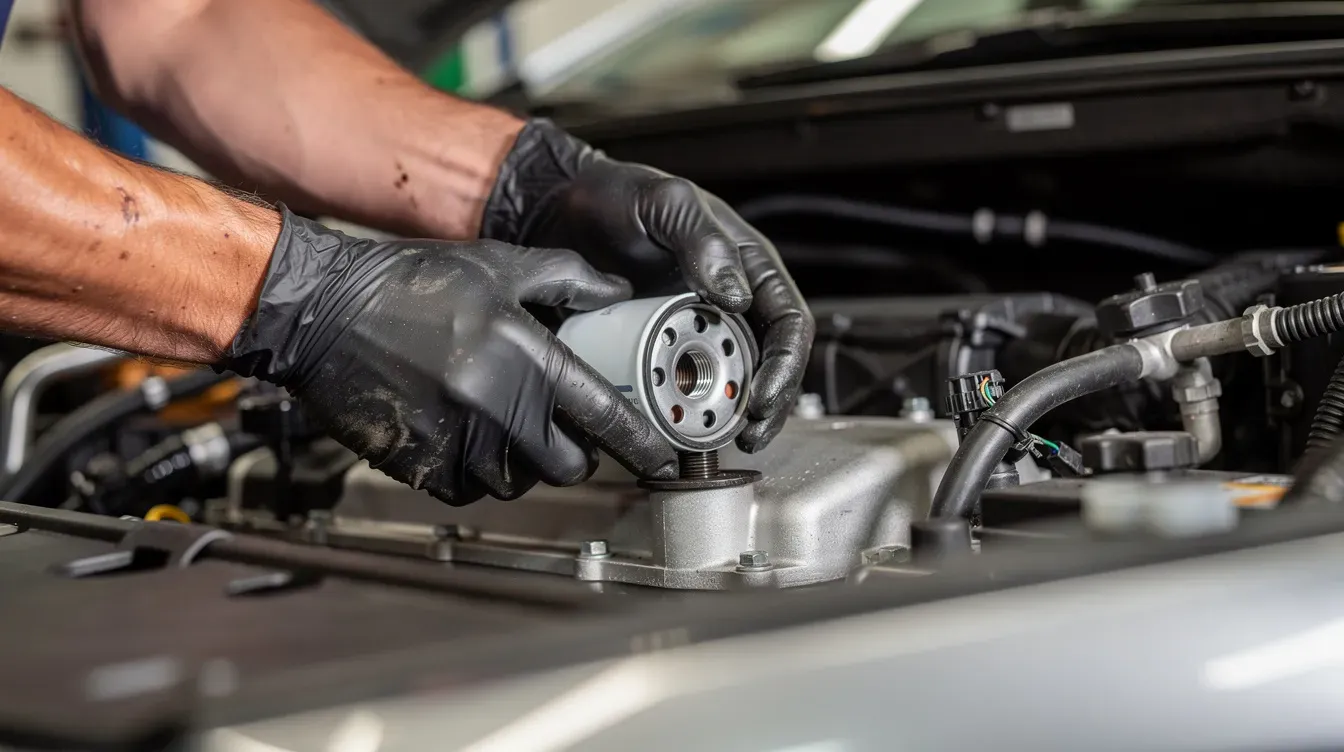
Engine oil and oil filter changes
Air filter and pollen filter replacement
Spark plugs (on schedule)
Detailed brake cleaning, adjustment and component assessment
Battery, charging and coolant system checks
Items more associated with mot checks:
Tread depth and tyre condition (minimum 1.6 mm)
Brake performance measured on rollers
Headlight beam alignment
Exhaust system emissions levels
Windscreen damage and structural corrosion
Costs: MOT, Car Service And Combined MOT & Service Deals
Price is a major factor when booking, and costs vary depending on vehicle engine size, age, engine type and location across the UK.
The standard MOT cost is £54.85 for cars - that is the maximum fee set by the government. Many garages offer promotions below this cap. For larger vehicles (Class 7, over 3,000 kg), the cap is £58.60.
Here are realistic example price ranges for a typical family car in 2026:
Service Level | Typical Price Range | Combined With MOT |
|---|---|---|
Interim service | £120–£180 | From £189.99 |
Full service | £190–£260 | From £244.99 |
Major service | £260–£400+ | Varies by vehicle |
An interim service and MOT package costs from £189.99, while a full service combined with an MOT costs from £244.99. Exact prices vary depending on make, model, engine size and whether you use an independent garage or main dealer. Combining MOT and service saves time and effort, and a combined MOT and service can lead to cost savings compared to having each booked separately.
Additional costs incurred may include repairs discovered during the test or service, such as new tyres (£60–£120 each), brake pads (£100–£400) or exhaust repairs. Always get an upfront written quote that lists labour, engine oil grade, filters and any disposal charges, and confirm that no extra work will be done without your approval. This protects you from unexpected additional costs.
How To Prepare Your Car For Its Service And MOT
A few simple checks the day before can save time, avoid refusal of test and sometimes prevent easy MOT failures.
Remove clutter from the cabin and boot. Ensure child seats are fitted properly or removed so testers can access seatbelts and structural areas.
Make sure the vehicle is reasonably clean, especially around wheels, suspension and the exhaust system, so structural areas can be inspected.
Check basic items at home: all lights, horn, windscreen washers and wipers, tyre pressures and tread depth. Top up screenwash - especially in winter months when this is a common advisory.
Bring your service history, locking wheel nut key and any recent warning-light details so the technician can diagnose issues more quickly and fix problems efficiently.
Arrive on time for your fixed time slot and confirm contact details at drop-off. This helps the garage call for approval if they find any advisory work during the car service or MOT, so you stay in control of what you pay for.
Quality, Guarantees And Choosing A Garage
Not all car services are identical. Using quality parts fitted by trained technicians directly affects reliability, safety and long-term cost. Cutting corners on parts or labour now often leads to higher repair bills - and potential MOT failures - later.
When choosing a garage, look for:
A clear quality guarantee on parts and labour - for example, a minimum 2-year or 24,000-mile guarantee on most parts fitted, with a longer warranty on selected items like batteries. Halfords Autocentres, for instance, offer transparent fixed pricing and a parts guarantee, though many independent garages provide similar assurances. Always compare what covers parts and labour.
Transparent, fixed pricing with itemised invoices and the promise that no extra work will be carried out without your prior approval.
Independent reviews, industry accreditations and confirmation that the garage follows manufacturer service schedules to maintain any remaining warranty. This is critical if you want to sell your car later with full service history.
Mobile mechanics can also be a convenient option for interim services or pre-MOT checks, helping you save time if your location makes reaching a garage difficult.
Encourage yourself to book your service today once you know your MOT due date. Waiting until the last minute creates unnecessary security risks - you might end up driving without a valid certificate if repairs take longer than expected.
You can arrange a booking at most garages online. Simply enter your registration number and mileage on their website, compare prices and choose a date and time that works for your device and schedule.
FAQs About Car Service And MOT
Can I drive my car if the MOT has expired but a service is booked?
It is illegal to drive on public roads with an expired MOT, even if a service appointment is booked. The only exception is driving directly to a pre-booked MOT test or to a garage for MOT-related repairs. Always book the MOT test itself (not just a service) before the expiry date. If convenient, combine the MOT and service in one visit to avoid this risk entirely and expect a smoother experience.
Does a full service guarantee my car will pass its MOT?
Even a full or major service cannot legally guarantee an MOT pass because the MOT is a separate, regulated test carried out to DVSA standards at approved mot test stations. However, regular servicing greatly improves the chances of passing by keeping brakes, tyres, suspension and emissions-related parts in better condition. Think of it this way: a service is your best point of defence, but the MOT is the final exam.
Will skipping a service affect my manufacturer’s warranty?
Most manufacturer and extended warranties require the car to be serviced on time, using correct engine oil grade and approved parts, often following the official service schedule. Missing services or using the wrong specification of oil or non-approved parts can give warranty providers grounds to reject claims for related failures. Always keep dated records and receipts as proof, especially if you use an independent garage rather than a dealer.
How long does a service and MOT take together?
MOT tests typically take 45 minutes to one hour. An interim service takes around 1.5–2 hours and a full or major service around 2–3 hours. A combined booking can therefore take from just under 2 hours up to about 4 hours. Check with your chosen garage when booking, as timing can vary depending on workshop schedule, the vehicle's condition and any repairs completed on the day. Many other drivers find it useful to drop off the car in the morning and collect it later the same day.
Do I need an interim service if I only drive a few thousand miles a year?
Low-mileage drivers who mainly do short, stop-start journeys may still benefit from an interim service because engine oil and filters age with time as well as mileage. Fresh oil and a clean filter keep internal engine components protected even when the car is sitting idle for days at a time. Very low-mileage drivers should discuss their usage pattern with the garage to decide between an annual full service only, or alternating full and interim services for extra protection. This advice applies regardless of your car's age or engine type. You can safely drive with confidence knowing everything has been checked, and it does not cost significant money relative to the protection it provides.