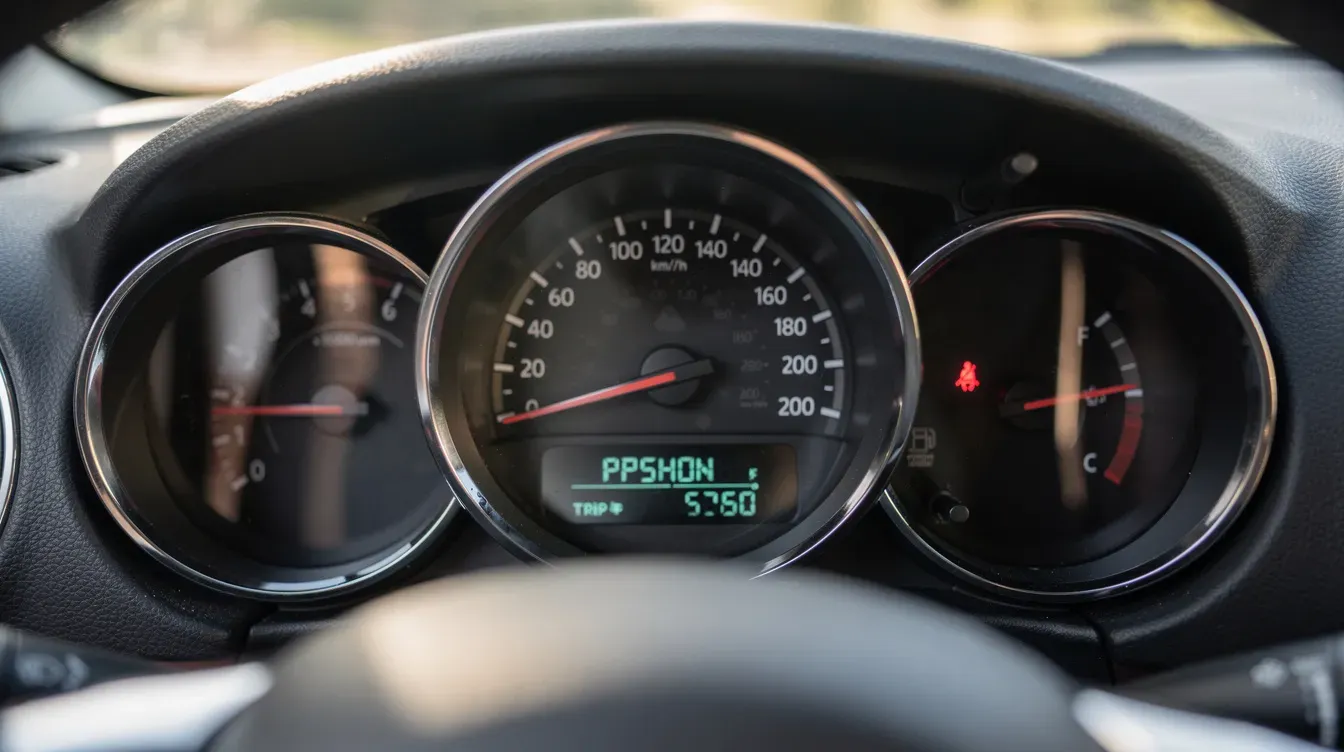
Buying a used vehicle without checking its mot history is like signing a contract without reading it. A car mot history check gives you access to every recorded test result, failure, advisory, and mileage reading linked to a vehicle's number plate - and it takes less than two minutes to run. Here's everything you need to know about using this free tool to make smarter decisions.
Key Takeaways
Anyone in the UK can run a free mot history check online using only a vehicle's registration number. Records are available for vehicles tested from 2005 onwards in Great Britain and from 2017 in Northern Ireland, covering over 40 million vehicles in the dvsa database.
A full mot history reveals pass and fail results, reasons for mot failure, advisory notices, mileage recorded at each test, and mot expiry dates - giving you a detailed picture of how well a car has been maintained over the years.
Vehicles fail MOTs most often for straightforward issues like faulty lights, worn brakes, and tyres below the legal minimum tread depth of 1.6 mm. Repeated failures or recurring faults in the same area can signal poor maintenance and higher future repair costs.
A car can have a clean mot history and still carry outstanding finance, accident damage, or insurance write offs that won't appear in mot test records. Always combine a mot check with a full vehicle history check before buying.
Most vehicles need their first mot test at three years old in Great Britain (four in Northern Ireland). Driving without a valid mot is illegal in the UK and can result in a fine of up to £1,000 - or £2,500 with penalty points if the vehicle has dangerous defects.
What Is an MOT History Check?
An mot history check is a digital record of every mot test that a vehicle has undergone, as officially logged by the Driver and Vehicle Standards Agency (DVSA) for Great Britain or the DVA for Northern Ireland. Each record is linked to a vehicle's registration number, making it easy to look up using just the number plate. MOT records are publicly available through the DVSA database, meaning anyone can access them.
This history is separate from a car's service history or logbook entries. Service records depend on individual garages keeping notes, while mot history comes from legally mandated roadworthiness inspections conducted at approved test centres - making it far harder to tamper with.
A history check lets you see when a vehicle first attempted its mot, how often it failed, what defects were recorded, and whether issues were fixed promptly via retests or subsequent passes. MOT history checks cover tests since 2005 in the UK (2017 for Northern Ireland), giving most cars well over a decade of documented test data.
Checking a vehicle's mot history is an essential step when buying a used vehicle, but it's equally useful for current owners who want to track recurring faults or confirm their car's mot status before the next mot comes due.
How to Check MOT History for Free Using a Registration Number
A free mot history check can be done in minutes online, without creating an account or providing any personal data. All you need is the vehicle's number plate.
Here's the process:
Locate the vehicle's registration number - it's on the front and rear plates, the V5C logbook, or any insurance documents.
Go to an official or trusted mot history service - the official UK government website provides vehicle mot history checks for free, and several third-party tools based on DVSA data also offer a free mot history check.
Enter the registration exactly as it appears - no spaces or formatting tricks needed, just the uk registration as shown on the plate.
Submit the query - the system immediately searches the DVSA or DVA database and returns the vehicle's mot status, expiry date, and a chronological list of mot test records.
If no results appear, double-check the spelling and spacing of the vehicle's number plate. A registration number that returns no mot records on a car clearly old enough to require testing is a red flag - it could indicate false plates, an import without proper registration, or other issues worth investigating.
This free mot check does not require the VIN, logbook, or any personal information, making it quick to use on any car you're viewing in person or online. Note that data is updated within a few hours generally but may take up to 5 days to reflect expiry date changes.

What Information Does an MOT History Check Show?
A full mot history report goes well beyond a simple "pass" or "fail." It gives you detailed information on test outcomes, recorded defects, and the vehicle's condition over time. MOT checks reveal pass or fail outcomes for each test, along with a wealth of supporting detail.
Here's what you'll typically see for each recorded test:
Test date - when the mot test took place
Pass or fail status - the outcome of each inspection
MOT certificate expiry date - when the current or previous mot certificate expires
Mileage recorded - the vehicle's mileage at the time of each test, logged chronologically since 2005
Failure reasons - specific mot defects that caused the vehicle to fail
Advisory notes - issues that indicate problems needing attention but not immediate repair
Test location - the test centre is recorded in the mot report (viewing detailed inspection locations requires the vehicle's 11-digit V5C logbook number)
MOT history reveals past failures and advisories in full, so you can spot patterns. For example, if a car shows "tyre worn close to legal limit" as an advisory notice year after year, it suggests the owner consistently delayed basic maintenance.
Recurring advisories on the same component across multiple tests are one of the strongest warning signs in any car's mot history.
MOT history includes recorded mileage at each test, and mot tests record vehicle mileage at each inspection - these readings are among the most valuable data points for spotting problems.
How MOT History Helps When Buying a Used Car
The information in a vehicle's mot history is crucial when evaluating any used vehicle, especially those over three years old. It provides an unbiased, government-recorded timeline of the car's condition that no seller can easily manipulate.
Spotting odometer tampering: Mileage records help identify potential odometer discrepancies. By comparing the mileage recorded at each annual test, you can spot inconsistencies. A sudden drop in mileage - say from 50,000 miles one year to 30,000 the next - may indicate odometer tampering, commonly known as "clocking." MOT history shows mileage readings chronologically since 2005, making this kind of fraud much easier to catch.
Assessing maintenance quality: One third of vehicles fail their first mot test. If a car fails on its first attempt year after year, that's a pattern pointing to deferred maintenance and likely higher future repair costs. Recurring advisories may indicate poor vehicle maintenance over a sustained period.
Identifying expensive problems: Look for clusters of serious issues - brake failures, structural corrosion, suspension defects - across multiple tests. These can make a car uneconomical to keep on the road and should factor heavily into any purchase decision.
Reading positive signs: A consistent pattern of passes with only minor problems flagged as advisories usually suggests careful ownership. This kind of maintenance history improves buyer confidence and can justify the asking price.
MOT history helps identify potential mechanical issues before you commit to a purchase, turning what would otherwise be guesswork into an informed decision.

Passes, Failures and Defect Categories in MOT History
Since May 2018, mot defects in Great Britain have been categorised into four tiers. These labels appear directly in mot history records and tell you exactly how serious each issue was at the time of testing.
Here's what each category means:
Dangerous - an immediate risk to road safety. The vehicle must not be driven until the defect is repaired. Dangerous defects result in automatic mot failure.
Major - a serious issue affecting safety or emissions. Major defects cause an mot failure and require immediate repair before the vehicle can be used.
Minor - a fault that doesn't cause failure on its own but should be addressed before the next mot test.
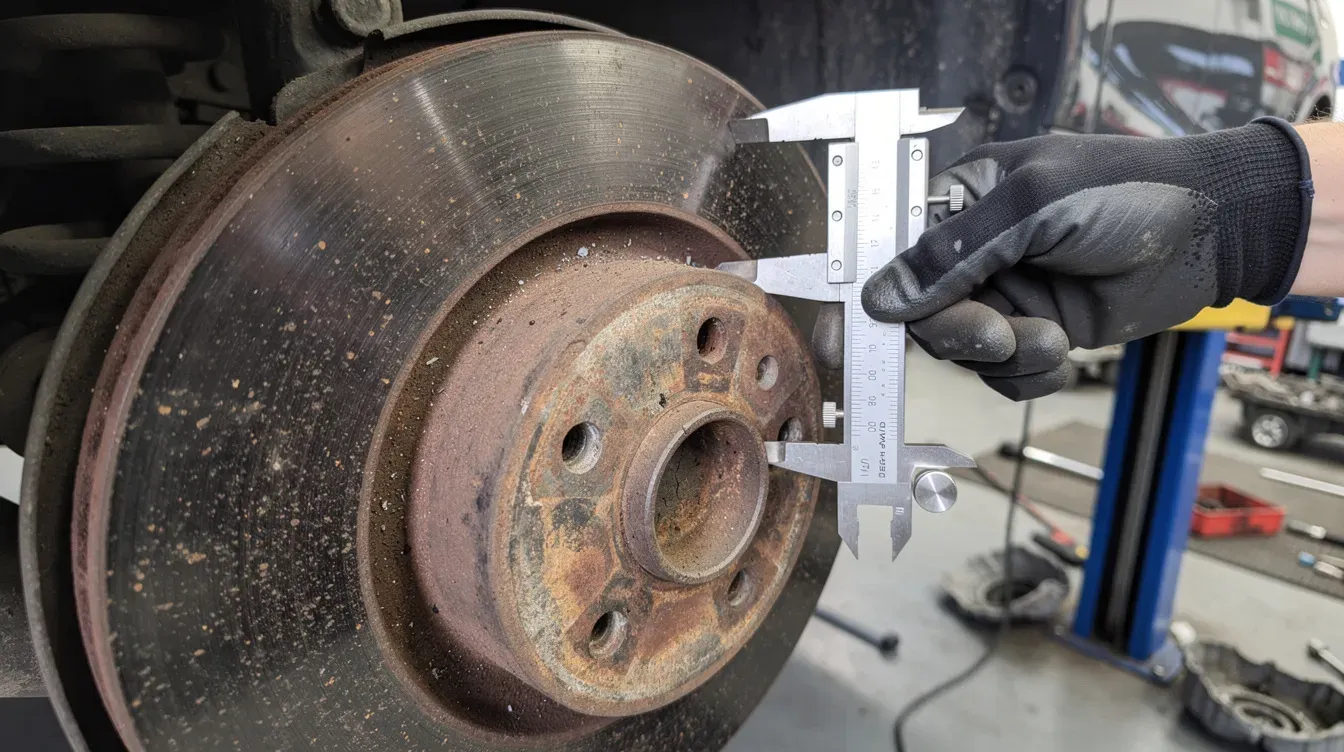
Advisory - not a defect in the strict sense. Advisory notes indicate issues that may need attention soon, such as brake discs wearing thin or slight corrosion beginning to form.
The most common causes of mot failure include:
Blown bulbs, misaligned headlights, and other lighting faults (accounting for nearly one in five failures)
Tyres with tread below the legal minimum tread depth of 1.6 mm
Brake imbalance, worn pads, or seized components
Windscreen damage obstructing the driver's view, plus faulty windscreen wipers
Excessive exhaust emissions that don't meet environmental standards, particularly on older diesel vehicles by fuel type and engine size
When a car fails its mot, the specific failure reasons and any advisory notices are permanently logged. If you see the same test centre recording the same defect year after year, it paints a clear picture of neglect.
Differences Between Great Britain and Northern Ireland MOT History
MOT records for England, Scotland, Wales, and Northern Ireland are all available digitally, but the coverage dates and first-test rules differ. Understanding these differences prevents misreading a vehicle's mot history.
Key differences at a glance:
Great Britain | Northern Ireland | |
|---|---|---|
Digital records available from | 2005 | 2017 |
First MOT test required at | 3 years old | 4 years old |
Testing authority | DVSA | DVA |
If a vehicle has spent time in both jurisdictions - for example, first registered in Northern Ireland then moved to Great Britain - there may be gaps in the displayed history. This isn't necessarily suspicious, but it does require explanation from the seller. Changes in registration number during cross-border transfers can also cause missing entries.
A used vehicle from Northern Ireland may simply have fewer recorded MOTs in its history due to the later digital start date and the extra year before its first test. Don't assume missing entries are fraudulent without checking the timeline against the vehicle's age and jurisdiction.
Limitations of a Free MOT History Check
While a free mot history check is a powerful tool, it doesn't tell the whole story about a used vehicle. Knowing its boundaries is just as important as knowing how to use it.
Here's what mot history does not reveal:
Outstanding finance - a car check for finance status requires a separate paid report
Insurance write offs - whether an insurer has previously written off the vehicle
Stolen status - not included in official dvsa records
Accident damage - unless the damage directly caused an mot defect, it won't appear
Full maintenance history - repairs, servicing, and work done between tests aren't captured
Some vehicles legitimately have no mot history. Cars under three years old haven't needed a test yet. Historic vehicles over 40 years old may be exempt. Specialist or agricultural vehicles may also fall outside standard testing requirements.
A clean mot history is encouraging, but it's not a guarantee. Always combine it with a full vehicle history check and, ideally, an independent mechanical inspection before committing to a purchase.
Legal Requirements: When You Must Check MOT Status
In the UK, mot tests are mandatory for vehicles over three years old in Great Britain and four years old in Northern Ireland, with retesting required every 12 months. MOT certificates are valid for 12 months after passing.
You can usually book your test up to one month minus a day before the mot expiry date without losing any time on your certificate - the new expiry date will run from the old one, not the test date.
Driving with an expired mot is illegal in the UK. The only exception is driving directly to a pre-booked mot test or to a garage for repairs needed to pass. There is no grace period.
The penalties are significant:
No valid mot certificate: fine up to £1,000
Vehicle in dangerous condition: fine up to £2,500, plus 3 penalty points and possible disqualification
Police ANPR cameras can check mot status automatically from the registration number, so enforcement is active and increasingly automated. Many insurance policies also require a valid mot certificate as a condition of cover - driving without one can invalidate your insurance entirely.
Set a reminder based on your mot expiry date. If you're planning to sell, a fresh pass with time remaining makes the car far more attractive to buyers and avoids last-minute complications.
FAQ
Is it really free to check a car’s mot history online?
Yes. Accessing basic mot history and mot status by registration number via the official UK government service is completely free. You can check mot history for any vehicle without creating an account or providing personal details. Some private sites also offer a free mot history check but may charge for additional data such as outstanding finance, write-off status, or previous keeper information. Always check whether you're using an official or commercial service before ordering any premium reports.
Can I check MOT history without the vehicle’s registration number?
You usually cannot check mot history without the vehicle's registration number because the database is indexed by number plate. While a VIN (Vehicle Identification Number) is sometimes used in internal DVSA systems, public mot history tools are designed to work from the registration number only. If you're planning to view a used vehicle, ask the seller for the registration in advance so you can run a history check before you arrive.
Why might a vehicle’s MOT history be missing or incomplete?
There are several legitimate reasons. The vehicle may be under three years old (four in Northern Ireland), its tests may have taken place before digital records began (pre-2005 in Great Britain, pre-2017 in Northern Ireland), or it may be mot-exempt due to age or type. A simple typing error in the registration number can also produce "no record found" results, so re-enter the plate carefully. If an older car that should clearly require testing shows no mot history, this could suggest false plates, import issues, or other problems that warrant further investigation.
Does a clean MOT history mean a car is problem-free?
A clean mot history - with few fail results and mostly minor advisory notices - is a positive sign, but it doesn't guarantee the car has never been in an accident, written off, or poorly repaired between tests. MOT tests focus on roadworthiness and environmental standards at the time of inspection, not on cosmetic condition, complete service records, or financial encumbrances. For a complete picture, combine the mot history with a full vehicle history check and an independent mechanical inspection before committing to a purchase.
Can I see future MOT bookings or planned tests in the MOT history?
No. MOT history tools only show completed tests and the current mot certificate expiry date. They do not display future bookings or provisional appointments. Garages manage their own booking systems, which are not shared publicly through mot history services. If you're selling a car and the expiry date is approaching, arrange and complete the test early so the updated pass result and new expiry date are visible in the history before any viewings take place. Results from the same test centre or a different garage will appear once the test is completed and logged.