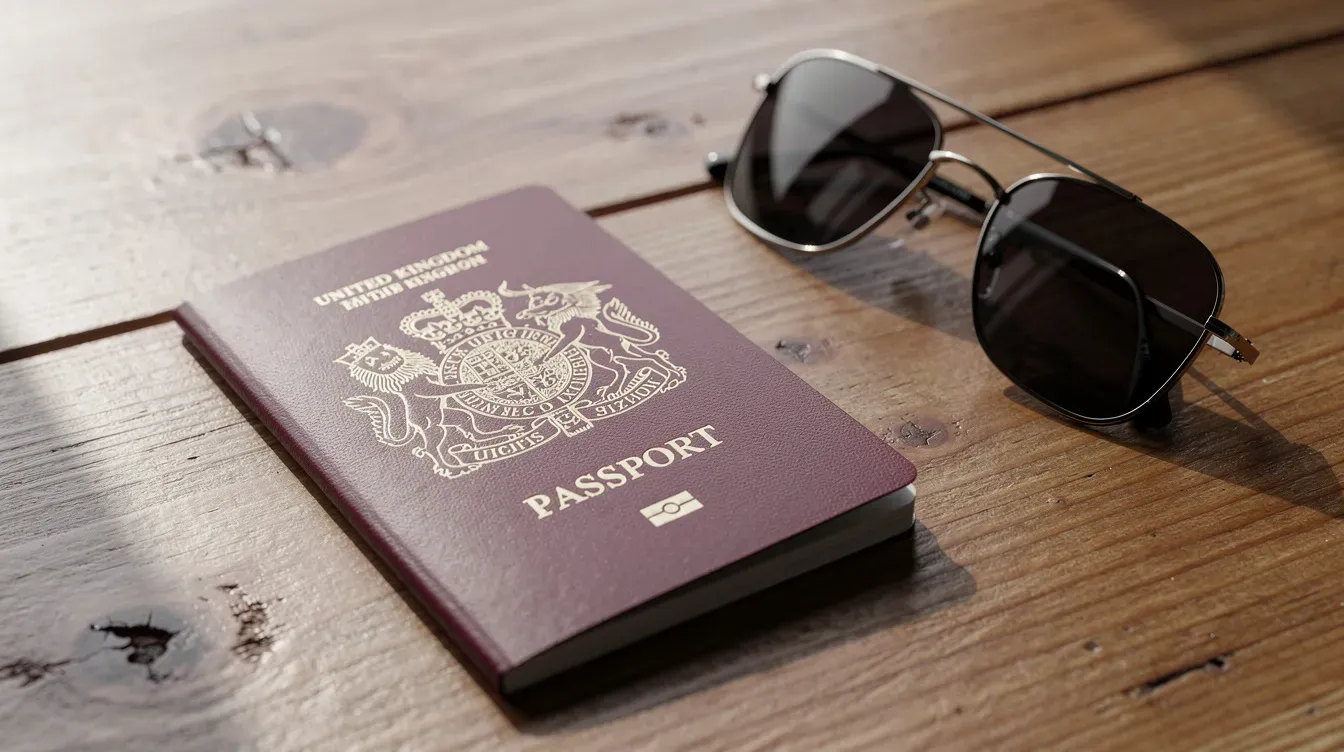
If you need a new passport or a passport renewal this year, you're paying more than ever. Here's exactly what a british passport costs in 2026, what changed, and how to keep your spending to a minimum.
Overview: How Much Does a British Passport Cost in 2026?
British passport costs rose twice in quick succession - once in April 2025 and again on 8 April 2026 - with increases of up to £17.50 per application. As of 8 April 2026, adult British passport fees are £102 online for a standard passport applied for within the UK, subject to Parliamentary approval. As of 8 April 2026, child British passport fees are £66.50 online.
Passport fees cover operational costs including processing, support for lost or stolen passport cases, and border security. These fees are not designed to generate government profit - they're cost recovery. It's worth noting that online applications are cheaper than using a paper form, and that urgent services and overseas applications carry different prices.
Key 2026 headline figures:
New adult passport (online, UK): £102
Adult passport renewal (online, UK): £102
Child passport under 16 (online, UK): £66.50
1-week Fast Track (adult): £167
1-day Premium service (adult): £239.50
Current UK Passport Fees in Detail (Adult, Child, Standard, Urgent)
Fees differ by age, application channel (online vs paper form), passport format, and service speed. Here's how the numbers break down for 2026.
Adult passport (16+), standard 34-page:
Online application: £102
Paper/postal application: £115.50
A first adult passport costs £72.50 for 32 pages, while renewing a 32-page passport costs £128.00
Child passport (under 16):
Online application: £66.50
Paper/postal application: £80
Children's passports cost £46 for a 32-page version
Frequent traveller passport (50 or 54 page):
Adult online: £116
These are more expensive across all service levels than standard passports, for both adults and children
Urgent services:
1-week Fast Track (adult): £167; (child): £136
Online Premium same-day (adult standard): £239.50
Passports are free for individuals born on or before 2 September 1929, though optional extras like urgent services or a frequent traveller passport still carry a fee.
New Fees in 2025–2026: What Changed and When
Passport costs rose in April 2025 due to reduced taxpayer funding for HM Passport Office, pushing the adult standard online fee from around £82.50 to £94.50. Then, on 8 April 2026, new fees kicked in with another roughly 8% rise across the board, affecting both new passport and renewal applicants.
Before vs after the April 2026 change:
Adult online renewal: £94.50 → £102 (up £7.50)
Child online: £61.50 → £66.50 (up £5)
Postal, overseas, and premium services rose in parallel
Parliamentary approval is required for these changes, but the higher 2026 figures are the working assumption for anyone budgeting now. Renewing before fees rise can save up to £17.50 depending on the application type. Millions risk overpaying simply by choosing a more expensive application route or delaying past a fee change.
Price Differences: Online Application vs Paper Form
How you apply can change your passport costs by more than £10 per person. Applying online saves £12.50 compared to paper forms for a standard adult passport in 2026 - fees are higher for paper applications compared to online applications across every category.
You can renew a passport online or by post. In 2025, nearly seven million people chose to apply online, saving tens of millions of pounds collectively in passport fees. More than 200,000 people still used a paper form and collectively overpaid relative to the cheaper online price.
Paper application forms are available from any post office branch. They cost more because of manual processing, physical photo handling, and document scanning. If you're comfortable with digital forms, the standard online application is the way to go to minimise your total cost.
Saving Money on British Passport Costs
You don't need to sacrifice speed or quality to reduce what you pay. Here are practical ways to save money on your next passport application:
Apply online, not by post. This is the single biggest and easiest saving. The difference is £12.50 for an adult passport, and proportionally similar for children.
Take your own digital photo at home. You need a digital photo for online passport applications. Following the HM Passport Office guidelines avoids paying £5–£13 at a booth or shop.
Get your photo right first time. In 2025, 67.5% of online applicants took their own passport photos, but 13.5% faced delays due to photo issues. Follow the rules carefully to avoid delays.
Renew before announced fee rises. For example, renewing before 8 April 2026 locked in the lower rate. If you still have time left on your current passport, weigh the months of validity you'd lose against the money saved.
Skip optional extras. Premium appointments and non-essential courier add-ons are expensive. If you're not travelling urgently, stick with standard service.
Check concessionary eligibility. British nationals born on or before 2 September 1929 are eligible for a free standard passport, paying only for optional extras like urgent services if required.
Using Post Office ‘Check & Send’ Without Overpaying
The Post Office Check and Send service reviews your passport application for errors before it's submitted, reducing the risk of rejection. Using the Post Office's Check & Send costs £16 extra on top of the standard fee.
Digital Check & Send is cheaper than paper Check & Send. For example, an adult passport renewal via digital Check & Send costs around £110.50 total, versus approximately £123 using the paper route. If you're digitally anxious, the digital send service option still lets a person at the counter review your form while keeping overall costs lower than the full paper process.
Taking Your Own Passport Photo Correctly
DIY photos are a major saving, but they can cause delays if they don't meet the passport office requirements. You need to get this right.
Use a smartphone camera against a plain light background, showing head and shoulders only
Do not use filters or heavy editing - leave cropping to the online system built into the application form
Look straight at the camera with a neutral expression, no head coverings (unless for religious or medical reasons), and no reflections on glasses
For children and babies, check the latest photo rules on Gov.uk for detailed criteria

Standard vs Urgent Passport Services and Their Prices
Standard service is the default and cheapest route. Passport applications typically take about three weeks to process under normal conditions, though the official guideline quotes up to 10 weeks during peak periods - always the lowest available british passport price.
1-week Fast Track: The 1-week Fast Track service costs £167 for adults and £136 for children. Fast-track services require an in-person appointment at one of seven Passport Customer Service Centres. This is typically used when you need a passport urgently for near-term holidays or work trips.
Online Premium: The Online Premium Service costs £207.50 for fast-tracking and can issue a passport in as little as two days. The 1-day Premium Service costs £239.50 for the fastest possible turnaround - you book an appointment online and collect in person the same day.
Not all passport types qualify for urgent services. Some child or first-time applicant cases are restricted to standard processing. Always check eligibility before paying extra. And do not book travel until your valid passport is physically in hand, especially if relying on standard processing times.
Overseas Applications: Extra Costs and Courier Fees
Applying for a british passport from outside the UK involves different passport fees and additional charges. Renewing from outside the UK incurs generally higher fees than domestic applications.
Standard online applications from abroad are £116.50 for adults and £75.50 for children. On top of the base fee, overseas passport applications usually include a courier fee - around £30.56 - to return the passport securely via a Visa Application Centre or embassy. Total cost overseas can be significantly higher once courier and local service charges are added.
The typical overseas process: book an appointment where required, submit supporting documents, and pay fees in sterling by approved payment types such as Mastercard, Visa, or JCB (debit or credit). Check your local embassy or consulate page for up-to-date country-specific details and any additional service charges. Budget extra time as well as extra money - overseas processing and delivery are typically slower than domestic applications.
Special Cases Affecting Passport Fees (Damaged, Lost, and Older Applicants)
Some situations change what you pay. A damaged passport, a lost passport, or being born before a certain date can all affect your fee and the application process.
Replacing a lost or stolen passport generally costs the same as a new passport at the applicable service level, but may require extra evidence of identity and can't always use the cheapest online routes. If you've had multiple lost passports, expect additional scrutiny.
A damaged passport - for example, water damage, missing pages, or a detached cover - is treated as a replacement rather than a simple renewal. The full fee for the chosen service applies.
British nationals born on or before 2 September 1929 can apply for or renew a standard adult passport for free. Optional urgent services and frequent traveller passports still carry a fee. Under specific schemes, post office Check & Send and secure document return can also be free for these older applicants on their behalf.
If you're in an unusual situation - complex nationality status, serious damage, or repeated losses - read official guidance and contact HM Passport Office before paying any fee to complete your application.
How to Apply and Pay: Practical Steps to Avoid Extra Costs
Whether you need a new passport or a passport renewal, the process is straightforward if you prepare correctly. Choose between online and paper, fill in the correct form, and submit with the right documents first time.
Standard online application steps:
Create a Gov.uk account and sign in
Complete the application form with your identity details
Upload a compliant digital photo
Pay the fee by credit or debit card
You must submit your old passport when renewing - post it when requested, or provide your existing passport number
Paper form applications: Collect the form from a post office, attach printed photos, and send by post. Payment is by card mandate, postal order, or cheque.
Always include all required supporting documents the first time to avoid delays and the risk of paying twice. Track your passport application online using the reference number so you can monitor progress and avoid unnecessary urgent upgrades or duplicate applications.
Passport fees are non-refundable if the application is canceled, so double-check your eligibility, identity details, and fee amounts before you submit. If you need a refund for any other reason, check official guidance for further information on accepted circumstances.
The simplest way to keep passport costs down: apply online, take your own photo, and plan ahead. Don't wait for the next fee rise - check the latest figures and start your application today.