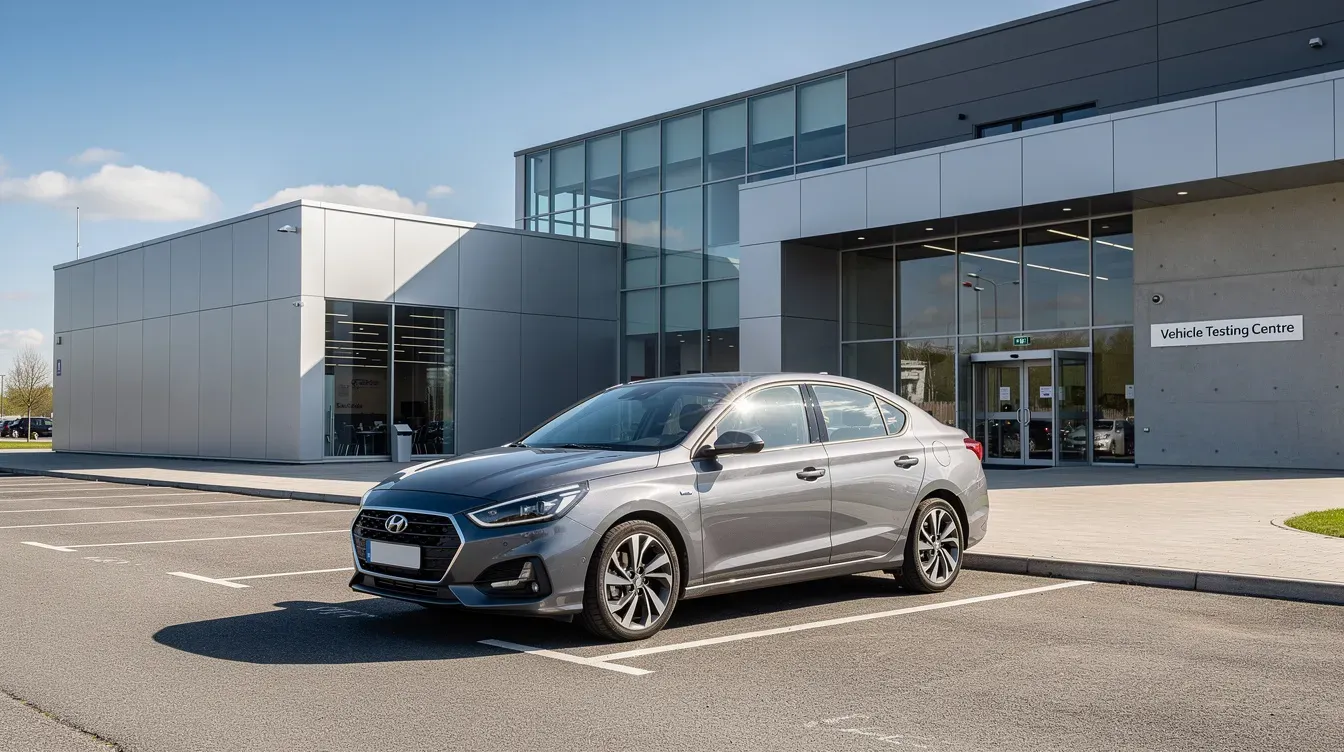
If you need to book an MOT test in Northern Ireland, the process works differently from the rest of the UK. All vehicle tests are managed exclusively by the driver and vehicle agency (DVA), a department within Northern Ireland's Department for Infrastructure. There are no private garages authorised to carry out MOTs here - every test happens at an official DVA test centre. This guide walks you through exactly how to book, what to bring, what happens if you fail, and how to handle the unique quirks of the Northern Ireland system.
Key Takeaways
In Northern Ireland, all MOT and vehicle test appointments must be carried out at an official DVA test centre. The vehicle agency handles every class of test, including cars, motorcycles, light goods vehicles, heavy goods vehicles, buses, and taxis.
You can book your MOT online through the DVA portal or by phone via the DVA booking line. MOT test slots are in high demand in Northern Ireland, so booking the earliest available mot appointment is essential.
Some vehicles may qualify for an automatic temporary exemption certificate (TEC), but owners must still keep the vehicle in roadworthy condition, taxed, and insured at all times.
If your mot expires before your booked test date, PSNI and some british insurers have issued guidance that an expired MOT does not necessarily invalidate cover when a test has been booked - but you must always check your individual policy.
This article covers how to book, the details you need (like your vehicle registration number), how to cancel or change appointments, preparation tips, and what happens after the test.
How to Book Your MOT Test in Northern Ireland (Step‑by‑Step)
This section gives you a fast, practical walkthrough so you can book your MOT test in Northern Ireland right away. Whether it is your first mot or an annual renewal, the steps are the same.
To get started, go to the official DVA mot online booking service, which is accessible through the NI Direct website. First, choose the correct vehicle type - private car, motorcycle, light goods vehicles, or another class. Then select your preferred test centre and pick a date and time from the available slots. The system will ask you to confirm your details and pay the fee. The fixed fee for an MOT test is £30.50 for a standard car. Payment for the MOT test can be made online using a valid debit or credit card.
To complete an mot booking, you will need your vehicle registration number, the last 6 digits of your vehicle chassis number, a valid email address or phone number for confirmation, and a payment card. MOT tests in Northern Ireland start at four years old, meaning vehicles in Northern Ireland need their first MOT at four years from the date of first registration. After that, annual testing is required.
You should book as soon as the DVA sends your reminder letter or when you fall within the allowed booking window before your current MOT expiry date. If you cannot secure an appointment before your MOT expires, book the earliest available date and keep your confirmation as proof of the booking.
On the day of the vehicle test, bring your vehicle registration document (V5C) and arrive slightly early at the test centre to check in. Make sure the vehicle is presentable and in a condition you would expect to pass inspection.
Booking Your MOT / Vehicle Test Online
The fastest way to book your MOT in Northern Ireland is through the official DVA "Book your MOT/vehicle test online" portal. This online service handles all classes, from private cars to motorcycles.
To access the booking page, navigate to the NI Direct website and look for the MOT / vehicle test booking section. You will need to enter your vehicle registration mark, choose the test class (car, motorcycle, light goods vehicle up to 3.5 tonnes, and so on), select your preferred test centre, and provide payment details. Motorbikes have lower MOT testing fees than cars, while taxis and minibuses have higher MOT testing fees than cars - the system will show you the correct fee for your vehicle class.
The DVA online service also allows you to book other types of vehicle test, such as those for heavy goods vehicles and certain trailers. However, buses and taxis may follow a slightly different booking process, so check the DVA website for the specific guidance that applies to your vehicle.
Once your booking is confirmed, you will receive an email containing the test centre address, date, time, and reference number. Keep this email - it is your proof of mot appointment and you may need it if your MOT expires before the test date.
If the site is busy or you encounter errors with slots showing as unavailable, it is recommended to check the online booking system during off-peak hours for cancellation slots. Early mornings and mid-week tend to have better availability. If you are still unable to book, the phone booking line works as a reliable backup.
Booking Your MOT by Telephone (Booking Line Option)
If you cannot use the internet or prefer to speak to a person, you can still book a mot vehicle test by telephone. The booking line for MOTs in Northern Ireland is 0300 200 7862 - though you should always confirm the latest number on the official DVA website.
Telephone booking is straightforward for single vehicles. Fleet owners or those with multiple bookings are generally better served by the online system or specific DVA channels. When you call, have the following ready: your vehicle registration, make and model, preferred test centre, driving licence details, and a payment card for the fee. When booking, prepare your vehicle registration number, driving licence details, and payment method to avoid delays on the phone.
The phone lines typically operate during office hours, for example Monday to Friday, 9am to 5pm. Callers may experience queues at busy times, especially toward month-end or during peak demand periods. If you cannot get through, try again early the next morning.
Choosing a DVA Test Centre and MOT Date
Unlike Great Britain, where thousands of private garages carry out MOTs, Northern Ireland tests are performed only at official DVA test centres. There are 17 MOT test centres in Northern Ireland, spread across locations such as Belfast, Lisburn, Newtownards, Coleraine, Omagh, Enniskillen, Derry/Londonderry, and Newry. You can find a full list of centres on the DVA website. Every MOT centre must display a blue sign with three white triangles, so you can easily identify the correct location when you arrive.
Waiting times differ significantly by test centre. MOT appointments can be booked well in advance due to high demand, and in some areas drivers may face six month delays for MOT appointments. Belfast centres tend to have the longest waits, while more rural centres like Omagh or Enniskillen often have shorter queues.
To secure an earlier slot, be flexible with dates and times. Mid-week mornings generally have more availability than Friday afternoons. Drivers should check for cancellation appointments regularly, as slots freed up by other drivers can appear at short notice. You may also apply for an emergency appointment if your vehicle tax is expiring soon and you have no valid test.
Always try to book early enough that, if the vehicle fails, there is still time to arrange repair work and re-test before your tax or insurance renewal deadlines.
Temporary Exemption Certificates (TECs) and When You Don’t Need a Test Immediately
A temporary exemption certificate TEC is an automatic extension of MOT validity for certain vehicles affected by DVA capacity issues or policy decisions. TECs were introduced in April 2024 to help manage the backlog and have been renewed for specific groups of vehicles since.
Private cars first registered during specific date ranges - for example, 1 June 2019 to 31 May 2020, or 1 June 2021 to 31 May 2022 - with a valid Northern Ireland MOT may receive a 12-month TEC, depending on current DVA rules. Temporary exemption certificates are issued for vehicles over five years old that fall within the qualifying windows.
Some light goods vehicles whose MOTs were cancelled by DVA have also received automatic TECs in the past, allowing owners to continue driving and taxing without a fresh vehicle test. Note that light goods vehicles require an MOT after three years from first registration, which is earlier than private cars. Vehicles over 40 years old may be exempt from MOT testing entirely, though owners should verify this with the DVA.
TECs are usually automatic - no paper or digital document is issued. You must check your MOT and tax status online via the official Vehicle Enquiry Service using your vehicle registration number. A TEC does not remove the legal duty to keep the vehicle safe, roadworthy, taxed, and insured. If your vehicle is not covered by a TEC, you must book a standard MOT test and contact the DVA if you are unsure about your status.
Before the MOT: Preparing Your Vehicle for the Test
Basic preparation reduces the risk of failing the MOT test on simple, avoidable issues. Most failures come down to things you can check yourself in under 30 minutes.
Before your appointment, run through these pre-test checks:
Lights and indicators - walk around the car and confirm all bulbs are working, including brake lights, fog lights, and number plate lights
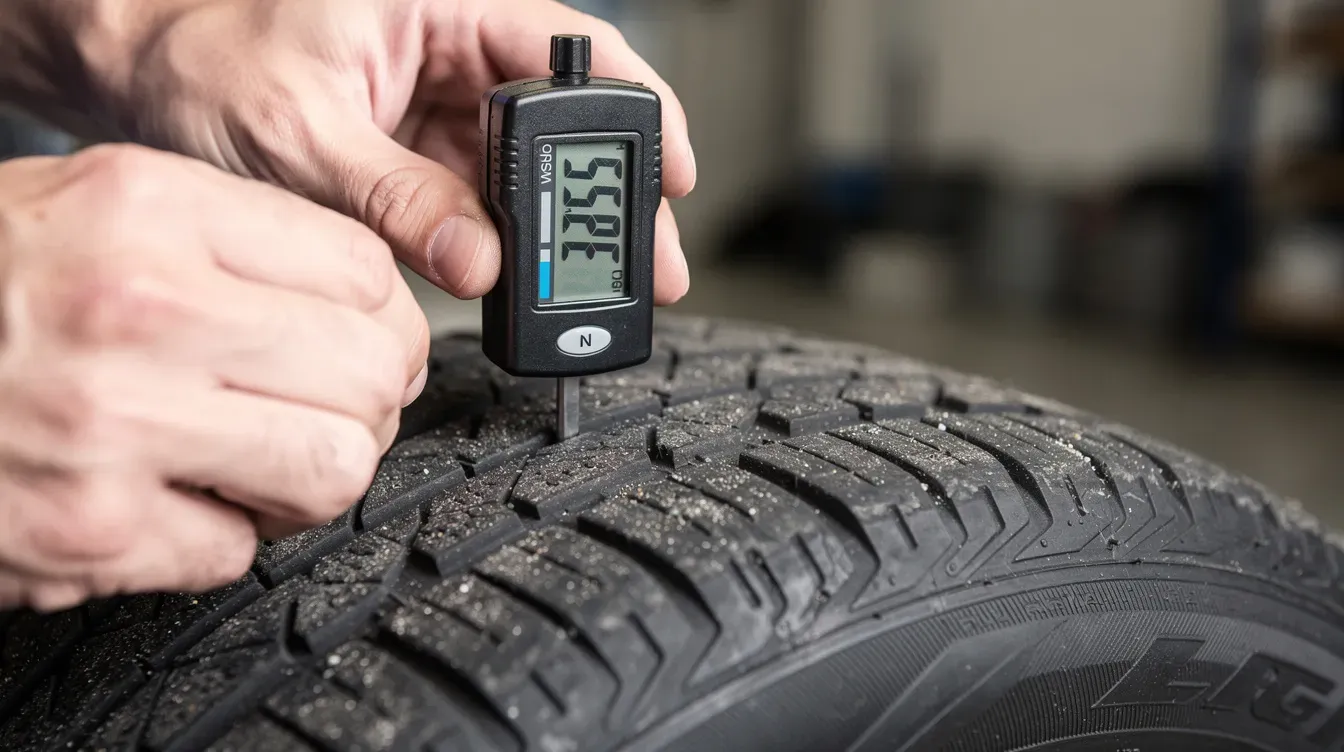
Tyres - check tread depth (minimum 1.6mm) and pressures on all four corners
Windscreen washers and wipers - top up fluid, check blades for splits or wear
Horn - make sure it sounds clearly
Seatbelts - check all belts retract properly and clip in securely
Fluid leaks - look under the vehicle for any visible oil, coolant, or brake fluid drips
Drivers of light goods vehicles should also check load security, doors, mirrors, and any ancillary equipment that could affect the MOT test result. Ensure your vehicle has enough fuel and, for diesel vehicles, warm the engine up before arrival to help accurate emissions testing. Any dashboard warning lights for ABS, airbag, or engine management should be investigated and addressed before the vehicle test, as an illuminated warning light can result in an automatic fail.
After the MOT / Vehicle Test: Results and Next Steps
After the vehicle test, the examiner will confirm whether your car has passed or failed and explain any advisories. This happens at the test centre before you leave.
A pass result means the vehicle meets the required Northern Ireland safety and environmental standards. You will receive a vehicle test certificate confirming MOT validity, which you should keep safe. Note the new expiry date for future mot booking, tax renewal, and insurance purposes.
If the vehicle fails, you will receive a notification of refusal listing the defects, categorised as dangerous, major, or minor. The document will explain how and when to book a re-test. A failed MOT generally means the vehicle should not be used on public roads until repaired and re-tested, except to travel to a pre-booked appointment for repair work or re-testing.
Passing an MOT Test in Northern Ireland
A pass confirms legal compliance on the date of the test, but it does not guarantee the car will remain fault-free until the next MOT. The examiner issues a Northern Ireland vehicle test certificate on passing, which acts as official proof.
Drivers should read any advisory notes on the certificate carefully. These highlight worn items - such as tyres or brake components - that may need attention before the next test. Addressing advisories promptly can prevent a fail next year and keep the vehicle in roadworthy condition.
Record the expiry date and consider setting a calendar alert or signing up for email reminders so you can book your mot in good time next year.
New‑Style Vehicle Test Certificate
DVA has updated the design of the Northern Ireland vehicle test certificate in recent years to make it clearer and harder to forge. The new-style certificate sets out key details: vehicle registration, make and model, test date, expiry date, odometer reading, and any advisory items.
You can find more information about the format and security features of the new-style paper certificate on the official DVA or NI Direct website. When you receive your certificate, check that all details - especially the vehicle registration number and expiry date - are printed correctly. Errors should be raised with the test centre immediately.
Failing an MOT Test and Re‑Test Rules
Failing an MOT is common and usually relates to issues with tyres, brakes, suspension, or lights. The refusal document will list all faults found during the test. Owners must complete all necessary repair work before presenting the vehicle for a re-test.
DVA rules generally require the re-test to be applied for within a set period (typically 21 days) at the same centre. A retest after a failure costs £18.50, provided it is carried out within the allowed timeframe. If the re-test is not completed within the permitted window, the driver will need to pay the full MOT fee of £30.50 again and undergo a complete vehicle test.
A failed MOT means the vehicle is not considered roadworthy. Using it on the road without a valid test certificate can lead to enforcement action by the PSNI and insurance issues. Prioritise safety-critical repairs and use reputable garages who are aware of Northern Ireland DVA standards.
Disagreeing with the Test Result or Making a Complaint
If you believe the MOT result is incorrect, you have the right to request a review or appeal through the DVA. The answer to a disputed result starts at the test centre itself.
The first step is to speak to the test centre manager on the same day, before leaving the site, and ask for the decision to be checked. If you have already left the centre, you may still appeal within a set number of days - typically 14 - by contacting DVA and arranging a re-check, provided the vehicle has not been altered or repaired in the meantime. Successful appeals can sometimes lead to a revised result or a refund of some or all of the MOT fee.
General service complaints about staff conduct, waiting times, or facilities should first be raised with the centre manager. If unresolved, escalate via the DVA's formal complaints procedure, details of which are available on the NI Direct website.
Changing, Cancelling, or Missing Your MOT Appointment
Life happens, and sometimes an mot appointment needs to be changed or cancelled. The rules differ slightly depending on vehicle class.
Private cars and light goods vehicles can usually change or cancel MOT appointments online up to four hours before the booked time. Other categories - such as heavy goods vehicles, buses, and taxis - may have longer cut-off periods. Public and bank holidays may extend cancellation deadlines by one extra day, so check the latest rules on the DVA site.
To make changes, use the online "change, cancel or view your MOT/vehicle test appointment" service. You will need your booking reference number, vehicle registration, and the email address used during booking - a six-digit authentication code is emailed to verify your identity. This online method is faster than calling the booking line.
If you do not attend the test and fail to cancel in time, the fee is normally lost. You will need to pay a new full fee to book another vehicle test.
Using Your MOT for Taxing and Insuring Your Vehicle
In Northern Ireland, as in the rest of the UK, a valid MOT (or TEC where applicable) is essential for taxing and insuring most vehicles. A vehicle can only be taxed if it has a valid MOT on the tax renewal date, unless a qualifying temporary exemption certificate is recorded on the DVLA/DVA system.
Where a driver has booked the earliest available MOT test but it falls after the current expiry, PSNI guidance may allow limited use of the vehicle - but the owner must be able to show a confirmed booking. The Association of British Insurers has previously stated that an expired MOT does not automatically invalidate cover when a test is booked, but each policy differs. Always contact your insurer to check your specific circumstances.
MOT certificates from England, Wales, or Scotland are valid in Northern Ireland, so if you have recently moved or purchased a vehicle from Great Britain, your existing certificate is accepted.
Untaxed vehicles risk enforcement action from the DVLA. If you are unable to secure a test in time and do not hold a TEC, you should consider making a statutory off road notification (SORN) to take the vehicle off the road legally until your test date.
Checking MOT History and Certificate Authenticity
Buyers and owners can check MOT history and certificate details for vehicles tested in Northern Ireland using the official online service. MOT history is available online for tests since December 2017. You can check MOT status online using the vehicle registration number, and anyone can check a vehicle's MOT status - not just the owners.
This is a key step when buying a used car or light goods vehicle in Northern Ireland, as it helps identify patterns of failure or neglected maintenance. MOT expiry updates may take up to 24 hours to reflect online, so allow for a short delay if you have just had a test carried out.
If a paper certificate looks suspicious, cross-check it against the online record using the vehicle registration number. The digital system significantly reduces the risk of forged MOT documents or cloned vehicles.
FAQ
Can I drive my car in Northern Ireland if my MOT has expired but I have a booked appointment?
DVA and PSNI guidance has previously allowed drivers to use a vehicle when no earlier test dates were available, provided you have a genuine booked appointment. You should carry evidence of your mot booking - an email printout or screenshot - and make sure your insurer is satisfied with the arrangement. This guidance can change, so always check the latest PSNI and DVA advice before relying on it.
Do I need an MOT for a brand‑new car in Northern Ireland?
Most new private cars in Northern Ireland do not need an MOT until they are four years old from the date of first registration, after which they must undergo a vehicle test every year. Certain light goods vehicles require their first MOT after three years, and specialist vehicles may follow different schedules. Make a diary note to book your first mot a few weeks before the vehicle's fourth anniversary of first registration.
Can I change the test centre after I’ve already booked my MOT?
Appointments can often be changed to a different DVA test centre using the online change or cancel service, provided you do so before the relevant cut-off time for your vehicle type. Moving to a different centre may reveal earlier or later availability, so compare options on the booking system before confirming. If the system does not allow a direct move, cancel the original booking (ensuring you meet cancellation rules) and then re-book at the new location.
What happens if I lose my MOT certificate in Northern Ireland?
If you lose or damage your MOT vehicle test certificate, you can request a replacement through official DVA channels. Details on how to obtain a replacement - including any fee and required identification - are available on the NI Direct or DVA website. Keeping electronic and paper records of your certificate helps prove the vehicle's MOT status for tax, insurance, and potential buyers.
Can someone else take my vehicle to the MOT test centre for me?
You can ask someone else to take your vehicle for an MOT. Another person can legally drive the vehicle to the DVA test centre as long as they hold a valid licence and are insured to drive that specific car. Confirm the arrangements in advance and make sure the person has the appointment details, booking reference, and enough time to arrive early. Some garages or service providers may offer collection and return services, but check availability and cost locally.