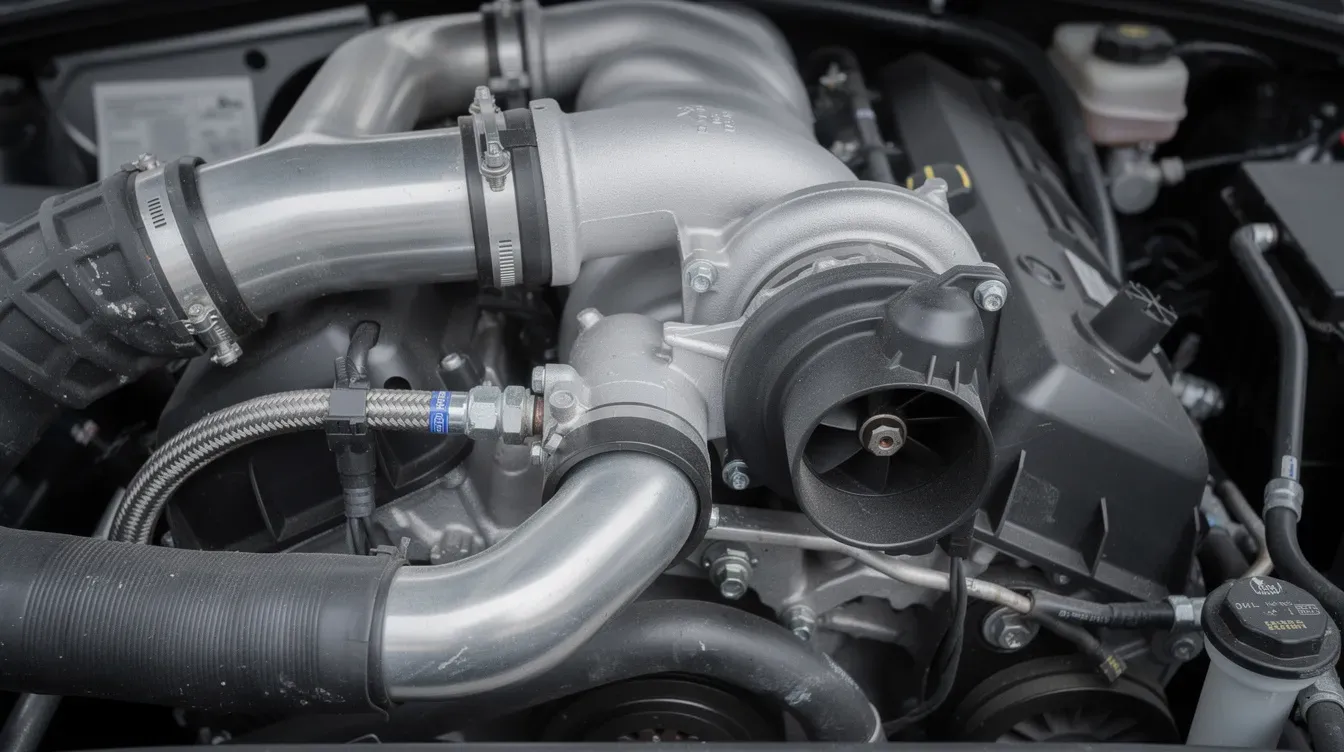
Want to know how much power a car really has before you buy it? A free bhp check lets you enter any UK registration number and instantly see the vehicle's recorded engine power, engine specs and performance data. Whether you are browsing used car listings or verifying what a seller has told you, this is the fastest way to get the facts.
Key Takeaways
You can check bhp for any UK-registered vehicle in seconds by entering its registration number into a free bhp checker, which returns the car's brake horsepower, engine size, fuel type and other performance specifications.
The bhp checker shows engine power in multiple units (BHP, HP, kW, PS) alongside other performance data such as top speed and 0–60 mph times where manufacturer data is available.
Combining a free bhp check with a full vehicle history report gives you a complete picture of a used car, covering everything from MOT history and mileage trends to fuel economy and running costs alongside bhp.
Results are drawn from official registration number records and factory specifications, so they are highly accurate for unmodified vehicles. Modified engines may produce different power figures than what is recorded.
Understanding bhp and torque before buying helps you compare vehicles realistically and budget for insurance premiums, fuel consumption and road tax.
What Is a BHP Check?
A bhp check is an online lookup that returns a vehicle's officially recorded brake horsepower and engine specifications using nothing more than its UK registration number. BHP stands for brake horsepower, measuring engine power output before drivetrain losses. A bhp check reveals a vehicle's power output at the factory level, giving you a reliable baseline for any car you are considering.
The tool pulls the car's bhp from official specification datasets and, where available, shows equivalents in HP, kW and PS. This means you get the exact bhp figure alongside conversions that match however the manufacturer originally quoted the car's power.
Beyond the raw power figures, a bhp check also links to broader vehicle performance data. If performance specifications like 0–60 mph times, top speed and fuel economy are stored for that specific model and engine code, the checker displays them too.
This makes a bhp checker especially useful when comparing used cars or verifying a seller's performance claims before you commit to a test drive. BHP checks help confirm the accuracy of seller claims for used cars, flagging any obvious mismatches between what is advertised and what the official records show.
How Our Free BHP Check Works
Running a free car bhp check takes just a few steps. Here is how the process works:
Enter the vehicle's registration number. Type the UK registration number into the search field. The system validates the format instantly.
The system matches the registration to official records. Registration lookup tools retrieve factory specifications for BHP by cross-referencing DVLA-style datasets, type-approval records and manufacturer specification data.
Your results appear in seconds. The checker returns the recorded engine power and any available performance data, including engine size, fuel type, transmission type and, where the data exists, power RPM and torque output.
The free bhp check focuses on core engine power and engine specs. If you need a deeper understanding of the vehicle's background, such as its MOT history, previous owners or outstanding finance, you can add a full vehicle history report as an optional upgrade.
The checker uses official specification datasets, the same kind of data that manufacturers, insurers and government agencies reference. This means the power figures you see are drawn from the same source as the car's V5C logbook entry, specifically the "maximum net power" field recorded in section P.2.
Alongside bhp, you will typically see engine size in litres or cubic centimetres, fuel type, whether the engine is turbocharged or naturally aspirated, and transmission type. Repeat the process for multiple registration numbers and you can compare vehicles side-by-side before booking viewings or test drives.
Understanding BHP, Engine Power and Vehicle Performance
Brake horsepower bhp is the measure of an engine's power output before losses in the transmission and drivetrain. True BHP is measured with all engine ancillaries attached, meaning it represents what the internal combustion engine can deliver under standardised test conditions. BHP accounts for power losses from friction in the drivetrain, which is why the power produced at the engine is always higher than what reaches the wheels (sometimes called power lost through the drivetrain).
Engine power directly shapes real-world vehicle performance. BHP is a strong indicator of acceleration and highway cruising ability. Higher BHP typically results in faster acceleration and top speed, which matters when overtaking on A-roads, merging onto motorways or climbing hills with a full load.
Here are some typical ranges to help you benchmark any car bhp check result:
Vehicle Type | Typical BHP Range |
|---|---|
Small city cars | 70–110 bhp |
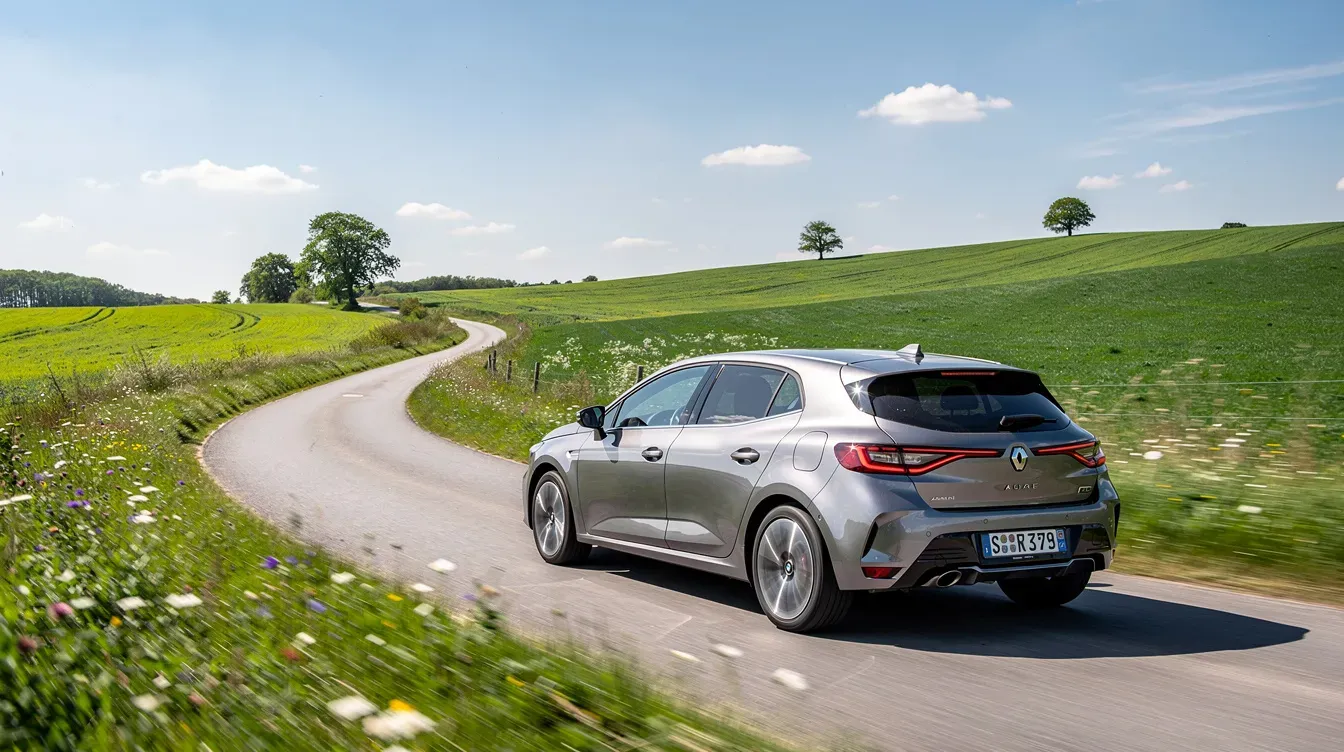
Family hatchbacks | 110–160 bhp |
Hot hatches | 180–250 bhp |
Performance / sports cars | 300–500+ bhp |
Most family cars have between 100–200 BHP, which is more than enough for everyday driving, commuting and occasional long trips. Performance cars can exceed 500 BHP and higher bhp cars are better for performance driving, track days and spirited motoring.
However, the bhp figure alone does not tell the whole story. A car's speed depends more on its power-to-weight ratio than on BHP alone. A lighter car with 130 bhp can feel far quicker than a heavy SUV with the same power output. Torque delivery, gearing and aerodynamics also shape how fast a car feels on the road.
The bhp checker helps drivers choose an engine performance level that matches their usage, whether that is urban commuting, towing a caravan or long-distance motorway driving, so you pick the right power required for your needs.
BHP vs HP, kW, PS and Torque
Different markets quote engine power in different units. BHP, HP, kW and PS are all ways of describing how much power an engine produces, but they are not identical.
HP (horsepower) and BHP are often used interchangeably in UK car listings. Historically, bhp stands for brake horsepower because it was measured by applying a brake to the engine's flywheel. HP can be a more general term that does not always specify exactly where the measurement was taken.
PS is metric horsepower, widely used in European vehicle specifications. PS is close to BHP but not identical: 1 BHP equals approximately 1.014 PS. So a car quoted at 200 bhp is roughly 203 PS. When comparing cars across European and UK listings, this small difference rarely matters in practice, but it is worth knowing.
kW (kilowatt) is the standard unit in the SI system and increasingly common for electric cars and modern manufacturers. The simple rule of thumb is that 1 kW is approximately 1.34 HP. A 150 kW car is about 201 BHP. You will find kW on the V5C logbook and in type-approval documents.
Here is a quick conversion example to help you interpret your bhp check results:
150 bhp ≈ 112 kW ≈ 152 PS
Torque is a different measurement entirely. While bhp shows peak power, torque (measured in Nm) describes the rotational force the engine produces. High torque at low revs means strong pulling force from a standstill or during in-gear acceleration. Two cars with the same car's horsepower can feel very different depending on where in the rev range their torque peaks. When you check bhp, look for torque figures alongside bhp to get a fuller picture of engine performance.
What You Get From a BHP Check
When you run a bhp check by registration number, here is a breakdown of the key data fields you can expect:
Engine power metrics
Brake horsepower (bhp) as the primary figure
Horsepower (HP) where recorded separately
Metric horsepower (PS) and kilowatts (kW)
Peak power RPM where manufacturer data exists
Engine specifications
Engine size in litres or cubic centimetres
Cylinder configuration (inline-3, inline-4, V6, etc.)
Fuel type: petrol, diesel, hybrid or electric
Aspiration: turbocharged or naturally aspirated
Transmission type: manual or automatic
Performance data
0–60 mph or 0–100 km/h times (where available)
Top speed
Power RPM range
Fuel economy and emissions
Combined mpg or l/100 km figures
CO₂ output in g/km
Road tax status implications based on emissions band
These fields let you quickly compare vehicles and their running costs side-by-side without digging through manufacturer brochures. The more data fields that are populated for a given vehicle, the more useful the comparison becomes, especially when you are comparing cars across different trims, model years or fuel types.
Availability of other performance data can vary depending on vehicle age and type. Older or rare models may only show partial engine specifications.
Combining BHP Checks With Vehicle History and Running Costs
A free bhp check is most powerful when combined with a full vehicle history report. This is especially true for anyone buying a used car, where the gap between what a seller claims and what the records show can cost you thousands.
A history report can reveal how many previous owners the car has had, MOT history with mileage trends and advisories, whether the vehicle has been involved in severe accidents, insurance write offs, and whether there is outstanding finance still owed on it. It will also flag if the car has ever been recorded as stolen or scrapped. None of this appears in a bhp-only check.
Seeing fuel economy and estimated annual fuel spend alongside the car's bhp helps you budget running costs realistically, covering fuel consumption, tyres, servicing and road tax.
Consider this scenario: you are comparing two cars, both with 150 bhp. One has a registered figure of 40 mpg combined, a clean MOT history, two previous owners and no write-off markers. The other shows 30 mpg, four previous owners, a gap in MOT records and an advisory for engine mount wear. On paper, the car's performance looks identical. In reality, the second vehicle may cost significantly more to run and carry hidden risk.
Always run both a bhp check and a vehicle check before placing a deposit or travelling to view a car. A bhp check tells you what the car should do. A history report tells you what the car has been through.

How to Use BHP Insights When Buying or Owning a Car
BHP data is not just for car enthusiasts. It is practical information for anyone choosing between trims, planning ownership costs or declaring modifications to an insurer.
Match bhp to your driving profile. Urban commuters benefit more from low-rev torque and good fuel economy than from raw top speed. Frequent motorway users and those who tow caravans or trailers need higher bhp engines and sufficient torque to handle the power required for sustained cruising and hill climbs under load.
Use bhp and torque together. A car's power tells you how fast it can go, but torque tells you how strongly it pulls. For overtaking on A-roads or climbing steep hills fully loaded, the bhp depends on being paired with adequate torque at usable revs. Check both figures from your bhp check results.
Understand the insurance impact. BHP affects vehicle insurance premiums due to performance risk. Insurance companies use BHP to assess risk for premiums. Cars with higher bhp are placed in higher insurance groups, and higher bhp cars typically have higher insurance premiums. BHP affects insurance costs due to accident severity statistics, meaning that higher powered cars are statistically linked to more expensive claims. Young drivers face higher premiums for high BHP vehicles, so if you are a new driver, paying attention to the car's bhp before buying could save you hundreds per year.
Declare modifications accurately. If you have invested in engine tuning, a remap or any modification that changes the car's brake horsepower, you should update your DVLA records and inform your insurer. The bhp checker gives you a baseline registered figure to benchmark against. Failure to declare changes can invalidate your insurance cover.
Balance your performance desires against fuel economy and running costs. Use the bhp check results as a starting point for realistic budgeting, not just a bragging right.
FAQ: BHP Checker and Free BHP Checks
How accurate is a bhp check based on my registration number?
Registration-based bhp checks use official specification data linked to the exact model, trim and engine code recorded for that uk registration number. For unmodified vehicles, this is usually highly accurate, matching what the car had when it left the factory. The bhp figure reflects the manufacturer's type-approval data and is the same figure recorded on the V5C logbook.
If the engine has been tuned, swapped or heavily modified since registration, the actual engine power may differ from the registered figure. Dynamometers are used to measure a vehicle's actual power output, so if you suspect modifications, a professional dyno test or mechanical inspection is the best way to verify the car's true power.
Can I check bhp for any vehicle type, including electric and hybrid cars?
You can generally check bhp (or equivalent power ratings in kW and PS) for most UK-registered petrol, diesel, hybrid and electric vehicles. For electric cars, the checker may show power mainly in kW, with bhp and HP equivalents calculated where possible. Electric motor power is also measured in BHP but offers instantaneous torque, which means electric vehicles can feel faster than their bhp figure alone might suggest.
Hybrids may show combined system power figures, which can differ from the engine-only bhp rating. Some very old or unusual vehicles may have limited performance data, in which case only partial engine specifications may appear.
Does a bhp check show my car’s real-world top speed and acceleration?
Where data is available, the bhp checker displays manufacturer-quoted top speed and 0–60 mph or 0–100 km/h times for the recorded engine version. However, these performance figures are measured under controlled test conditions when the car was new. Older or poorly maintained vehicles may perform differently today.
Weather, load, tyre condition and modifications can all change real-world car's performance compared to the original data. Treat bhp and performance figures as a guide for comparing cars rather than a guaranteed current capability.
Will a higher bhp always mean worse fuel economy and higher running costs?
Not necessarily. Higher bhp engines can consume more fuel when driven hard, but modern turbocharged and hybrid engines often balance a car's power with good fuel economy when driven normally. Factors like vehicle weight, aerodynamics, gearing and driving style can have as much impact on fuel consumption as bhp alone.
Review the fuel economy data and estimated annual fuel costs shown alongside bhp in the check results. Compare similar vehicles with different bhp levels to see how much extra performance really affects insurance, road tax status and fuel spend. A deeper understanding of these numbers helps you avoid overspending.
Do I still need a full history report if I’ve already run a free bhp check?
A bhp check only tells you about engine power and basic specifications. It does not tell you how the car has been treated, whether it has been in severe accidents, or what incidents it has been involved in. A full vehicle history report can reveal outstanding finance, insurance write offs, mileage discrepancies, MOT advisories and recorded thefts, none of which a free check for bhp alone will show.
Anyone considering buying a used car should run both a performance-oriented car bhp check and a comprehensive history report before committing. Combining both checks provides a far safer basis for making a significant purchase decision than relying solely on power figures or seller claims.