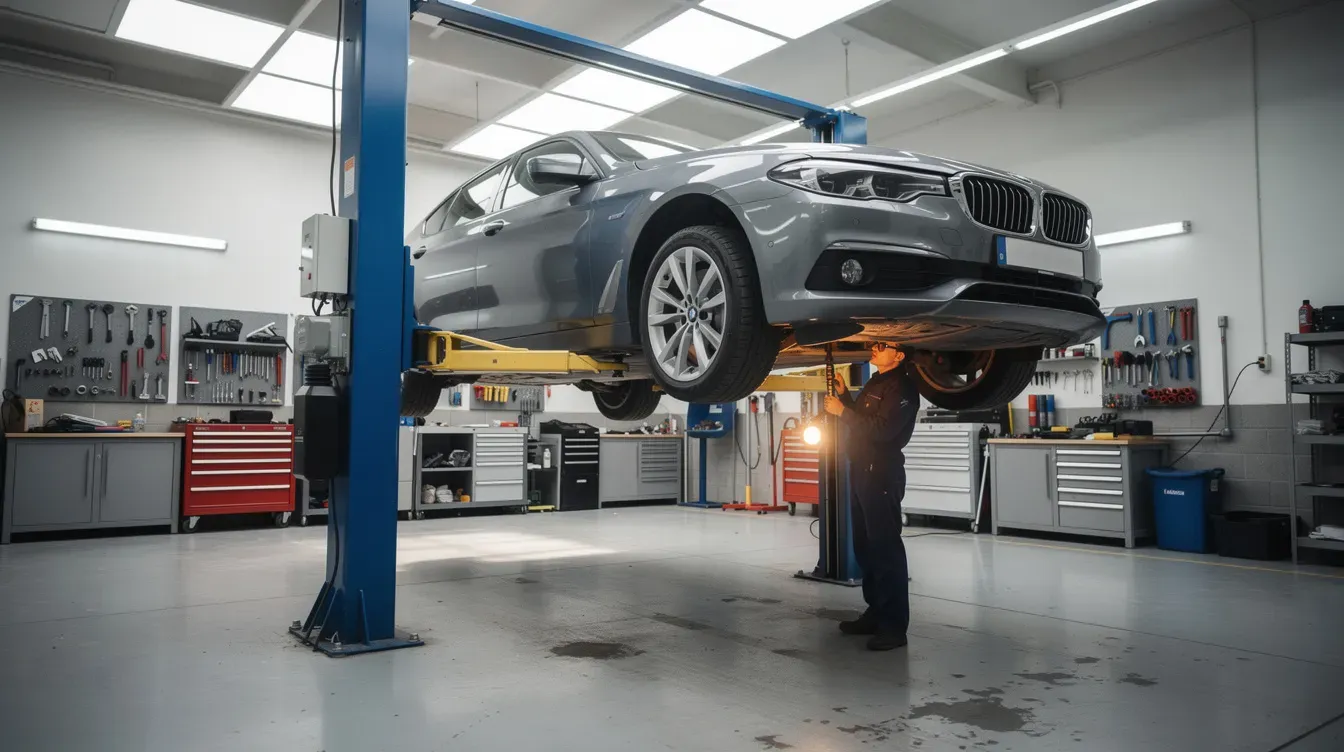
An extended automobile warranty provides financial protection against mechanical or electrical failures that strike after your original factory cover runs out. With a typical car repair costing around £438 on average and major component failures running into thousands, understanding your options before you need them can save serious money and stress.
This guide breaks down exactly what automobile extended warranties cover, what they cost, and how to decide whether one is right for your vehicle.
Key Takeaways
Extended car warranty plans can protect drivers from expensive repair bills once the original car warranty expires, covering unexpected repair costs for vehicles that are ageing or out of manufacturer cover.
Car warranties and car insurance serve different purposes: warranties cover mechanical and electrical breakdowns, while insurance covers accidents, theft, and third-party liability.
Most extended warranty plans exclude consumable items like brake pads, clutch plates, and wiper blades, focusing instead on major components such as engines, gearboxes, and electronics.
Costs and levels of cover vary by car age, mileage, make, and chosen claim limits, so drivers should compare terms carefully before signing any policy document.
Extended warranties are not always the best choice; their value depends on the car's reliability, the owner's risk tolerance, and the ability to pay for unexpected costs out of pocket.
What Is a Car Warranty and How Does It Work?
A car warranty is a legally binding contract in which a provider promises to repair or replace covered parts if they fail within a set time or mileage limit. It is not a gesture of goodwill from a dealer. It is enforceable, and the terms within it determine exactly what you are and are not entitled to.
Most new cars have a warranty lasting three years or 60,000 miles, though some brands now offer up to 7 years or 100,000 miles. Since around 2020, several manufacturers have pushed coverage further, especially on powertrain systems, to compete for buyer confidence.
A car warranty cover typically includes parts and labour for unexpected mechanical and electrical faults, provided the owner follows the manufacturer's servicing schedule. A car warranty covers repair costs for mechanical failures, but it will not pay out if the vehicle has been neglected, modified beyond manufacturer's specifications, or damaged through misuse.
Warranties can be offered by the car manufacturer, by car dealerships, or by third party warranty providers. Each source has different strengths. Manufacturer plans often guarantee OEM parts and dealer-level service. Independent provider plans may offer more flexibility in terms of where the car is serviced and how long the cover lasts.
Once the original cover ends, drivers can opt for an extended warranty to keep similar protection in place. This is especially relevant for anyone planning to hold onto their vehicle beyond the standard factory period, because modern cars are increasingly complex and repair bills reflect that complexity.
What Does an Extended Car Warranty Usually Cover?
Extended car warranty plans are designed to protect against the cost of expensive repairs to key systems rather than covering routine maintenance. Extended warranties cover the cost of expensive repairs that could otherwise catch drivers off guard, and they cover major components like engines and gearboxes.
Here is what a typical extended warranty will cover, depending on the plan tier:
Engine: internals such as pistons, crankshaft, camshaft sensors ignition system components, oil seals, and gaskets power steering motor assemblies
Transmission and drivetrain: components gearboxes ignition system parts, drive plates fuel system connections, differentials, and axle shafts
Steering and suspension: power steering pumps, rack assemblies, shock absorbers, and system cables
Fuel and cooling: tank fuel system components, water pumps, system thermostat, radiator, and fans main ecu modules
Electrical systems: starter motor, alternator, airbag electrics, window motors, pedal assembly sensors, and infotainment units
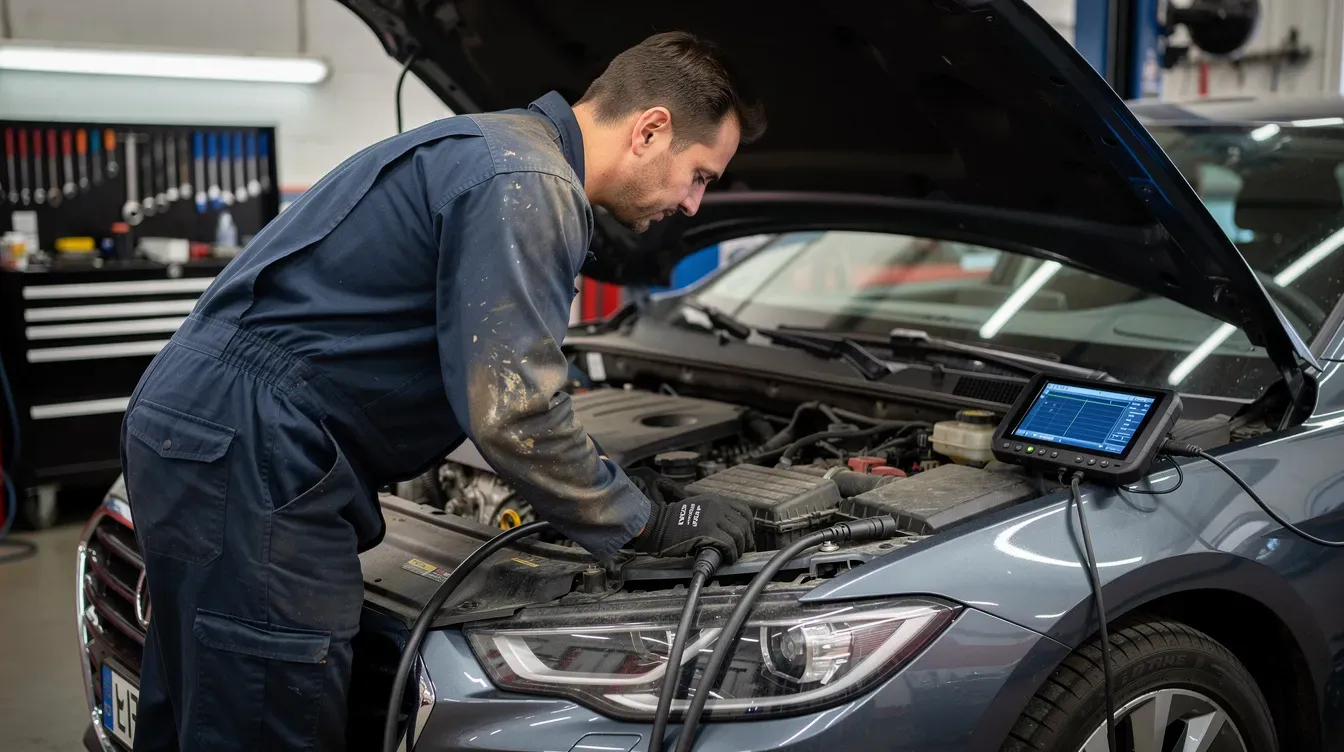
Diagnostics and recovery: many policies also cover diagnostic costs and sometimes recovery if the car breaks down and needs transporting to a garage
Car warranty cover often excludes everyday consumables like tyres, brake pads, clutch plates, wiper blades, and fluids. Warranties typically exclude consumable parts like brake pads and batteries unless they fail as a direct result of a covered part breaking.
A realistic example: If the electronic power steering module fails on a 7-year-old car at 80,000 miles, that is typically a covered claim under a comprehensive or mid-level plan. The warranty pays for parts and labour to replace the module. By contrast, worn brake pads at 45,000 miles would be declined because that is normal wear and tear, not a sudden mechanical or electrical failure.
Types of Car Warranties
Drivers encounter different warranty types across a car's life. From factory cover on new cars to dealer add-ons on used cars and standalone contracts from independent providers, each type has its own strengths and trade-offs.
Manufacturer warranties for new cars typically run 3 to 5 years, though some brands stretch to 10 years with mileage limits. New cars typically come with a three-year warranty at minimum. These policies usually cover bumper-to-bumper failures and include powertrain protection. Warranties can last up to 36 months or more under standard factory terms, with some brands going significantly further.
Dealer warranties on used cars are shorter. Used car warranties often last up to one year and may have low claim limits. They sometimes only cover a narrow list of parts, and the level of cover varies enormously between car dealerships.
Independent extended warranty providers offer more flexible terms, longer durations, and various levels of cover tailored to age and mileage. Policies range from comprehensive exclusionary plans (covering everything except a stated list of exclusions) to stated-component plans (covering only what is specifically named). Named component plans are cheaper but leave gaps; exclusionary plans deliver comprehensive cover at a higher price.
Extended Warranties for Newer Cars
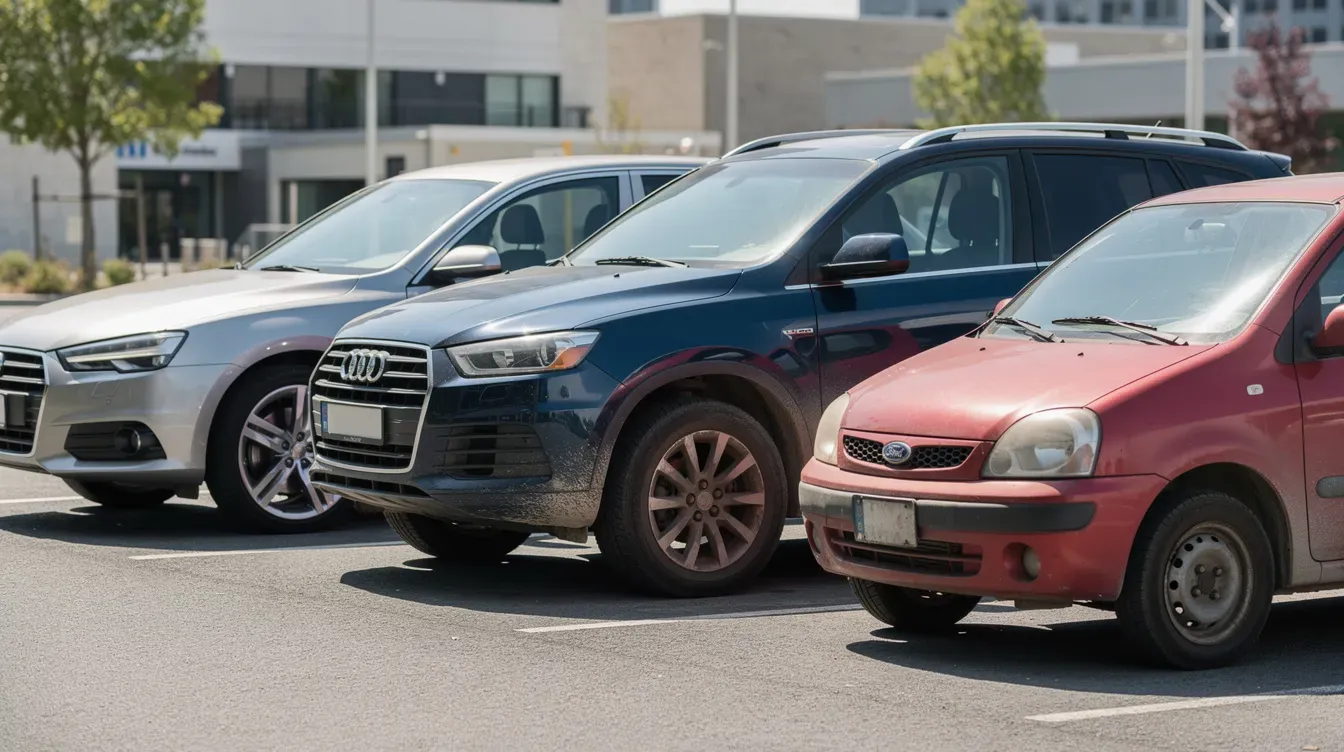
As a new car approaches the end of its original manufacturer's warranty-typically at year 3 or 5-owners can buy an extended warranty from the manufacturer or an independent provider to continue protection.
Manufacturer extended warranty options often require servicing at franchised dealers and may be bundled with roadside assistance, complimentary inspections, or courtesy cars. Manufacturer's extended warranties use genuine parts for repairs, which can help preserve the vehicle's resale value and ensure work meets the manufacturer's original standards.
Independent extended warranty policies can sometimes be cheaper and more flexible about where the car is serviced. Independent warranties are often cheaper and customizable, letting drivers pick the level of cover, the claim limit, and the excess that suits their budget.
Example: A driver with a 4-year-old family hatchback plans to keep it for another 5 years. Rather than gambling on ageing electronics and a high-mileage gearbox, they purchase a comprehensive plan from an independent provider. The plan covers major mechanical and electrical components for the remaining ownership period, turning unpredictable repair bills into a fixed monthly cost.
Extended Warranties for Older Used Cars
Older used cars-typically 6 to 12 years old or with 60,000 to 120,000 miles-are statistically more likely to suffer mechanical faults. This is where an extended warranty becomes most relevant, but also most expensive.
Cover for high-mileage cars is usually more restricted, with tighter claim caps, more exclusions, and sometimes compulsory vehicle inspections before the provider will accept the risk. Premiums rise as vehicles get older and more likely to need expensive repairs. MotorEasy warranties, for instance, cover vehicles up to 13 years old or 130,000 miles. Some warranties cover cars up to 150,000 miles but at higher prices and with more conditions.
Buyers of older diesels or complex turbocharged petrol cars should pay particular attention. Components like injectors, turbochargers, consumables flywheels, and emission control hardware can generate repair bills that dwarf the cost of the warranty itself. For these vehicles, the extended warranty becomes less of a luxury and more of a financial safety net.
Car Warranty vs Car Insurance
Car warranties and car insurance are complementary, not interchangeable. They protect against entirely different risks, and confusing the two is a common mistake.
Car insurance-whether third-party, third-party fire and theft, or comprehensive-is a legal requirement in most jurisdictions. It covers accidents, fire, theft, vandalism, and injury liability. Car warranties do not cover accidental damage or wear and tear. They deal exclusively with breakdowns caused by mechanical or electrical failure, not crashes or external damage.
Simple scenario: A gearbox failure at 70 mph caused by internal mechanical wear is a warranty issue, provided the gearbox is a covered part. Collision damage to the same gearbox after a motorway shunt is an insurance claim. The two insurance products never overlap.
Some motorists also add GAP insurance to bridge the difference between the car's current market value and the original invoice price if the vehicle is written off. This is separate from both the warranty and standard car insurance, but it is another layer of financial protection worth understanding.
What to Watch Out For in Extended Warranty Small Print
The real value of an extended warranty lies in the detail of the policy document. A plan that looks generous on the surface can disappoint at claim time if the small print works against you.
Key concepts to understand:
Betterment: If a repair uses a newer or better part than the original, the provider may require you to pay the difference. This can catch drivers off guard when making a claim for an older vehicle.
Consequential damage: If a covered part fails and damages a non covered part, the policy may or may not pay for the collateral damage. Some warranties cover consequential damage from non-covered parts; others do not. Read this clause carefully.
Labour costs caps: Some providers cap the hourly labour rate they will reimburse. If your chosen garage charges more, you pay the excess.
Claim limits: Most extended warranties include a voluntary excess per claim and have maximum payout limits per claim, per year, and in total. Some warranties cover parts and labour up to the vehicle's current market value, while others set fixed caps.
Common exclusions include pre-existing faults, lack of service history, modifications, and failures caused by neglect or abuse. Warranties often require servicing according to manufacturer specifications, and missing a scheduled service can give the provider grounds to refuse a claim.
Always keep receipts, digital logs, and stamped service books safely stored and available if a dispute arises.
Age, Mileage, and Usage Restrictions
Many extended warranties have upper age limits (for example, 10 to 13 years at start date) and mileage limits (100,000 to 150,000 miles) beyond which they cannot be purchased. Extended warranties can cover vehicles up to 13 years old or 130,000 miles under many standard plans.
Exceeding the agreed mileage during the policy term can reduce cover or invalidate future claims. Drivers must estimate annual mileage realistically at the point of purchase.
Certain high-stress uses-such as ride-hailing, delivery work, track days, or off-road driving-may be excluded or only covered by specialist policies. A commuter who underestimates their annual mileage by 5,000 miles could find themselves outside their agreed terms when they need to make a claim, leaving them exposed to the full repair costs.
Wear and Tear, Consumables, and Serviceable Items
Most policies consider items like brake pads, discs, clutch plates, batteries, exhaust sections, and wiper blades to be wear and tear. Routine maintenance is almost never covered by extended warranties. These items are the driver's responsibility unless a sudden mechanical fault in a covered part causes them to fail.
However, some higher-tier policies do include limited wear and tear cover after an initial waiting period or inspection. Extended warranties can cover wear and tear on components under specific plans, but this usually raises the price noticeably.
Tyres, cosmetic damage, and routine servicing are almost never included in standard extended warranty contracts.
Example: A driver with a high-mileage estate car submits a claim for a failing clutch. The provider inspects and determines the clutch plates have worn gradually over 90,000 miles of normal use. The claim is declined because this is wear and tear, not a sudden mechanical failure. Had the clutch failed due to a fault in the hydraulic release mechanism (a covered part), the outcome would have been different.
How Much Does an Extended Warranty Cost?
Extended warranty prices vary widely depending on the car and the level of protection chosen. Costs are influenced by several measurable factors, and understanding them helps you find the best value for your situation.
Main pricing factors:
Factor | Effect on Price |
|---|---|
Car make and model | Luxury and European brands cost more |
Age and mileage | Older and higher-mileage vehicles attract higher premiums |
Engine type | Diesel, hybrid, and electric cars typically cost more to cover |
Annual mileage | Higher mileage increases risk and price |
Claim limit and excess | Higher excess lowers the premium; higher claim limits raise it |
Level of cover | Comprehensive cover costs more than powertrain-only |
Warranty prices start as low as £30 per month for a mid-range model with a named-component plan. A warranty can have an excess fee ranging from £0 to £50 per claim, with zero-excess policies costing more but simplifying repair bills. A typical car repair costs around £438 on average, which means even a single moderate claim can recover several months of premiums.
Premium or luxury vehicles often have higher-than-average repair costs, pushing comprehensive cover into the thousands. An older city car with a limited plan might cost a few hundred pounds per year, while a 5-year-old luxury SUV with comprehensive cover and a low excess could cost significantly more.
It safeguards against rising parts and labor costs, especially as supply chain pressures and inflation continue to push the price of components and garage time upward.

Is an Extended Warranty Worth It for You?
Extended warranties provide peace of mind for car owners, but they are not automatically good value for every driver. The decision comes down to your specific car, your financial position, and your tolerance for risk.
The value of an extended warranty depends on the specific make and model of the vehicle. Researching a car's historical reliability can determine a warranty's value. Independent reliability surveys and owner forums will tell you whether your model is prone to expensive electrical faults, gearbox failures, or other costly issues in years 5 to 10.
A simple cost–benefit comparison helps: estimate your expected annual repair costs without cover, then compare that to the warranty premium plus any excess or non covered items. If a repair bill would cause financial stress, an extended warranty provides peace of mind and budget stability. Budget stability converts unpredictable repair bills into manageable costs, which is the core value proposition.
Drivers who keep a cash reserve for emergencies and own simple, reliable cars typically find trouble free motoring without an extended warranty. Cars typically need fewer major interventions when they have straightforward mechanicals and a strong reliability record.
On the other hand, owners of complex vehicles-with turbocharged engines, automatic gearboxes, advanced electronics, or hybrid drivetrains-may find cover worthwhile to avoid a single large bill. A significant amount of money can disappear quickly when a turbo fails or an electronic control unit needs replacing.
Practical Checklist Before You Buy
Before committing to any plan, work through these questions:
What exactly does the warranty cover, and what is on the extensive list of exclusions?
Are labour costs fully covered, or does the provider cap rates?
What are the per-claim, annual, and total claim limits?
Which garages can you use, and do you need prior approval before work starts?
Is the policy insured (regulated) or discretionary?
Is the provider a member of an industry code or the motor ombudsman scheme?
Can you cancel during a cooling-off period, and is the policy transferable if you sell the car?
Does the cover include diagnostic costs, recovery, or a courtesy car?
If the provider cannot answer these questions clearly before you buy, treat that as a red flag.
How to Buy and Use an Extended Warranty
The process is straightforward: research, compare, purchase, and then follow the correct procedure if a fault develops. Rushing any step-especially the comparison phase-often leads to regret.
Start by obtaining multiple quotes online. Compare levels of cover side by side, paying attention to claim limits, exclusions, excess amounts, and which garages are approved. Read sample policy documents before entering payment details. Warranty providers differ in how transparent they are at this stage; the best ones make their full terms available before purchase.
The typical claims process:
Notice a fault-warning light, unusual noise, loss of performance
Contact the warranty provider before authorising any work
Get claim approval and a reference number
Take the car to an approved garage (or your chosen repairer, if the policy allows)
The garage diagnoses the problem and confirms whether the failed component is a covered part
The provider authorises the repair and may deal directly with the garage for payment
You pay only the excess and any non covered part costs
Many modern warranty providers offer digital portals or apps where drivers can upload service records, track claims, and see what cover remains on their car warranty.
Example: A driver notices their starter motor failing on a 6-year-old vehicle. They call their warranty provider, receive authorisation, and take the car to their local garage. The garage confirms the failure, orders the part, and invoices the provider directly. The total repair costs come to £520. The driver pays a £25 excess. The warranty covers the remaining £495 in parts and labour. From first call to collection, the process takes four working days.
FAQ
Does an extended warranty cover every repair my car might need?
No. Extended warranty plans are designed to protect against sudden mechanical or electrical failure, not every possible fault or maintenance item. Most will not pay for routine servicing, tyres, brake pads, clutch wear, or cosmetic damage, even though they might cover associated mechanical failures if a covered component is the root cause. Treat an extended warranty as a safety net for major expensive repairs rather than a complete maintenance package.
Can I choose any garage for repairs under my extended warranty?
It depends on your provider. Some require using approved or partner garages, while others allow customers to choose their own repairer within certain labour rate limits. Check whether you can use your trusted local independent garage and whether prior approval is needed before any work starts. Failing to follow the provider's process-such as authorising expensive repair work before calling the warranty company-can lead to claims being reduced or refused entirely.
What happens if I sell my car while it still has extended warranty cover?
Many extended warranties are transferable to the new owner, often for a small admin fee. Vehicles with an active warranty are more attractive to buyers, and an active warranty can increase a vehicle's resale value. However, some policies are non-transferable, in which case you might be able to cancel and request a partial refund based on time or mileage used. Check transfer and cancellation terms before purchase if you plan to change cars within the next 1 to 3 years.
Will missed services or late oil changes invalidate my warranty?
Most car warranties and extended warranties require proof of regular servicing according to the manufacturer's schedule to stay valid. Missed services, late oil changes, or incomplete records can give providers grounds to reject claims-especially for engine or gearbox problems where lubrication is directly linked to the failure. Keep invoices, digital logs, and stamped service books safely stored. If your car has a digital service book, make sure every visit is recorded by the garage.
Is an extended warranty still useful for hybrid or electric cars?
Yes, but with important caveats. While many hybrids and EVs have fewer moving engine parts, they rely heavily on high-voltage batteries, power electronics, and complex cooling systems. Some modern extended warranties offer specific options for hybrid and electric vehicles, including cover for drive batteries and specialist components. Owners of plug-in hybrids and EVs should check carefully which electric and battery components are included, for how long, and whether any separate endorsement or higher premium applies before buying cover.