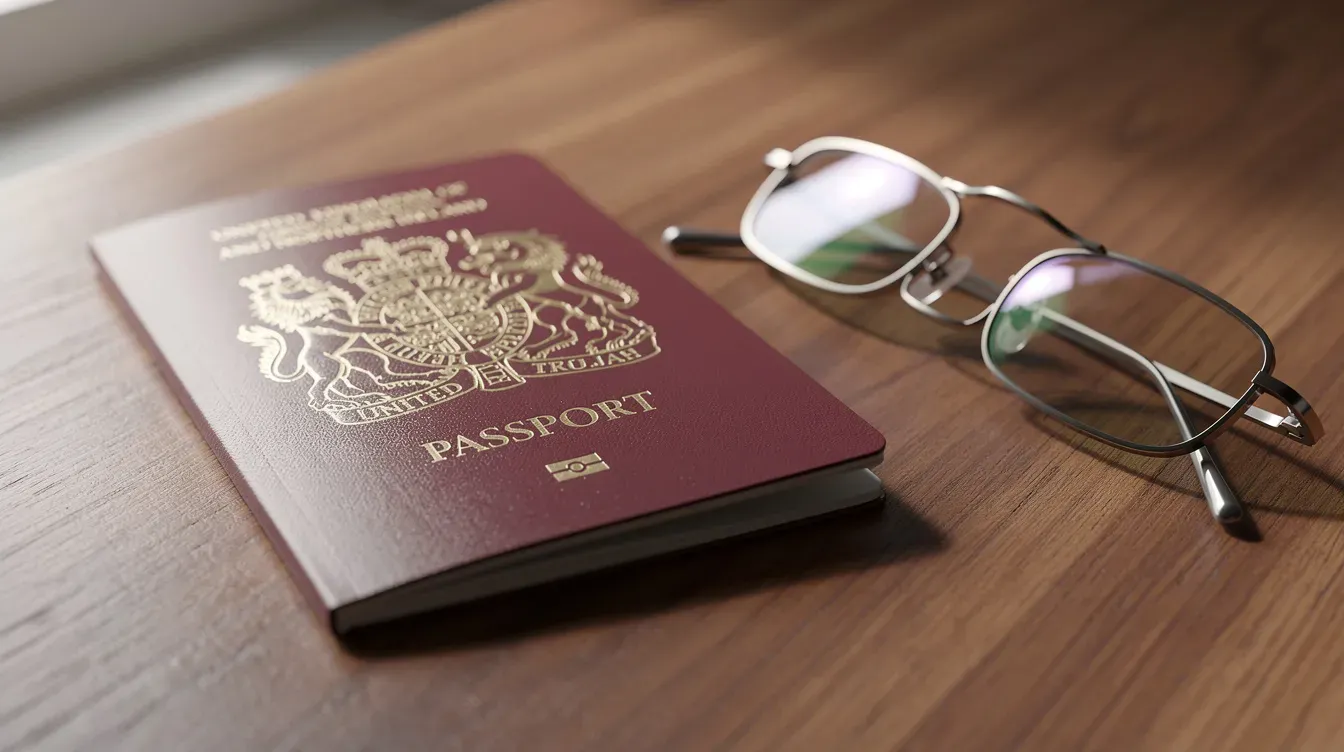
If you need to apply for a british passport first time, the process involves more paperwork and checks than a simple renewal. This guide walks you through every stage of the application process for 2026, from confirming your british citizenship to receiving your new passport by post.
Section A: Quick guide – how to apply for your first British passport
Applying for a first adult passport in the UK is straightforward once you understand the steps. The process applies to anyone aged 16 or over who has never held a uk passport as an adult, or whose last UK passport was issued before 1 January 1994. Here is what you need to do, in order:
Confirm you hold british nationality (usually british citizenship) before paying any fee.
Choose whether to apply online via GOV.UK or apply by post using a paper form.
Complete the passport application form with accurate personal details.
Provide a compliant digital or printed passport photo.
Send original supporting documents to hm passport office.
Pay the application fee by card (online) or by the method specified in the paper booklet.
Attend an identity interview if invited by the passport office.
Receive your passport by courier or Royal Mail, with documents returned separately.
The first step to apply for a British passport is to complete the online application form, which guides you through the rest. Standard processing time is about 3 weeks once all documents are received, though first-time adult applications usually take longer than renewals because of extra identity and nationality checks. Processing times may increase during peak periods.
Passport application fees are non-refundable if the application is refused or withdrawn. Always confirm your eligibility criteria and gather your documents before you start.
Section B: Who can apply for a first adult British passport?
You must have british nationality to apply for a passport. Simply holding immigration status such as indefinite leave to remain, settled status, or pre-settled status does not make you eligible. You need to be a british citizen (or hold another recognised form of British nationality) under UK law.
A first adult passport applies if you are:
Aged 16 or over (or turning 16 within three weeks) and have never held a UK adult passport.
Someone whose last UK passport was issued before 1 January 1994.
Transitioning from a child passport to an adult passport at age 16 or 17.
Key routes by which you may already be a british citizen include:
By birth in the UK, where at least one parent was British or had settled immigration status at the time of your birth (for births after 1 January 1983).
By descent, if born outside the UK to a British citizen parent.
By registration, used in certain historic or special cases.
By naturalisation, after meeting residence, language (uk test), and good character requirements.
British citizenship can be acquired by birth, descent, or naturalisation. You cannot apply if you have not been granted citizenship. If you are unsure of your status, check before starting a british passport application because the fee is lost if you turn out to be ineligible.
Other categories such as British Overseas Territories citizens, British Nationals (Overseas), British Overseas citizens, British subjects, and British protected persons may have different passport entitlements under british nationality legislation.
Does British citizenship guarantee a British passport?
Holding british citizenship is a prerequisite, but it does not create an automatic right to a passport in every situation. A british passport is issued at the discretion of hm passport office and remains the property of the UK Government.
A passport is evidence of identity and nationality, not the legal source of citizenship itself. Losing or being refused a passport does not usually remove your citizenship.
A passport can be refused or cancelled for reasons including serious criminality, national security concerns, court orders restricting travel, deception in the application, bail conditions, or unresolved identity doubts.
Legal restrictions on travel can result in passport refusal.
Most genuine first-time applications from eligible British citizens are granted when the form is accurate and documentation is complete.
Section C: Check your British citizenship before you apply
Confirming your citizenship status is the essential first step before beginning the application process or paying any fee. Evidence of British citizenship is required for all applicants.
The British Nationality Act 1981 sets out who qualifies as a British citizen, including by birth, descent, registration, and naturalisation.
If your situation is complex - for example, parents were european union nationals, you were born abroad, adopted, or have a long-residence case - use official GOV.UK nationality tools or get specialist legal advice.
You must already hold proof of citizenship (such as a naturalisation or registration certificate, or a qualifying birth certificate plus parent's details and documents) before a passport will be issued.
Citizenship by birth or descent – typical evidence
Whether you are automatically British at birth depends on where and when you were born, and your parents' status at the time. The key date is 1 January 1983, when the British Nationality Act 1981 came into force.
Born in the UK on or after 1 January 1983: you need a full birth certificate showing parents' names, plus evidence that at least one parent was a British citizen or had indefinite leave to remain or settled status at the date of your birth. That evidence might be their valid passport from that period, a home office status letter, or their own birth certificate.
Born outside the UK to a British citizen parent: you typically need your full foreign birth certificate, the British parent's passport or citizenship certificate, and (where relevant) your own registration or naturalisation certificate.
Claims through grandparents or complex family histories may trigger requests for additional documents from hm passport office.
Documents usually include a birth or adoption certificate as a baseline, and an adoption certificate where applicable.
Citizenship by registration or naturalisation
Many adults obtain british citizenship by naturalisation after meeting residence, language, and good character requirements. Registration is often used for certain children, historic cases, or people with a qualifying connection to the UK.
You must have already been granted citizenship and hold your certificate of naturalisation or registration before applying for a passport. A pending citizenship application is not enough - submitting a passport application early will lead to refusal and loss of the fee.
Your citizenship ceremony must have taken place (where required), and the certificate details must match the personal details on the passport application form.
Applications may be refused for insufficient evidence of citizenship.
Section D: Choosing how to apply – online vs by post
UK-based first-time adult applicants can usually either apply online via GOV.UK or apply by post using the paper application form. You can apply online or by post for a passport, but applying online is generally cheaper and faster. If applying from abroad, you must mail documents to hm passport office in the UK, and fees and timescales may vary depending on your location.

Applying online – when and why to use it
For most first adult passport applicants in the UK, the passport online route is the preferred method.
Online applications cost £88.50 for adults, which is less than the paper fee. An adult passport application costs £88.50 online.
The online service offers step-by-step guidance, tailored lists of required documents, and the ability to upload digital photographs directly.
The basic journey: create or sign in to a GOV.UK account, fill in the online application, pay the application fee by debit or credit card, nominate someone to confirm your identity online if required, then follow the emailed instructions to send original documents.
The identity verification can be done online after the application submission.
Recommended if you are comfortable with digital services and have access to a device and an email address.
Applying by post – using the paper application form
The paper application form is available from many UK post office branches. It suits anyone who cannot or prefers not to use the online service.
Complete sections relevant to a first adult passport: personal details, parent's details, declarations. Sign and date the form.
Attach two printed passport photographs meeting HMPO specifications.
Include all original supporting documents.
A paper application for an adult passport costs £100, which is higher than the online fee. Payment is normally by card, postal order, or cheque as instructed in the booklet.
You can use the Post Office Check and Send Service for an additional fee, which helps verify your application form and photos before posting. This service does not guarantee approval but reduces common errors.
Paper applications generally have slower processing times compared to applying online.
Section E: Completing the first adult passport application form
Accuracy and consistency on the application form - whether online or paper - are crucial. Errors, omissions, and mismatches between the form and your documents are among the top reasons for delays.
Full name and any previous names
Date and place of birth
Contact details (phone, email) and current UK address history
Details of parents (names, dates and places of birth, nationality)
Details of any previous UK passports, including an expired child passport
Identity documents must match the application form details
Personal details, names and previous passports
Enter your full legal names, including middle names, exactly as shown on official documents. Avoid nicknames or informal variations.
Declare any previous legal names, whether changed by marriage, divorce, deed poll, adoption, or gender recognition. Provide the relevant evidence such as a marriage certificate, civil partnership certificate, or gender recognition certificate.
If you previously held a child passport, include details of that existing passport, even if it has expired, and send it in if you still have it. If you have a damaged passport, include that too.
Unexplained differences between the name on the form and the name on the birth certificate or citizenship certificate are a common cause of delay.
Parents’ details and nationality information
HM passport office usually requires both parents' full names, dates and places of birth, and their nationality or immigration status at the time of your birth. You must provide details as accurately as possible.
Parent's details are used to confirm your claim to british citizenship. For example, if you were born in the UK after 1983, you need to show a parent who was a British citizen or had indefinite leave at the time of your birth.
If one parent's details are genuinely unavailable (estrangement, death), provide as much information as you can, along with a written explanation or additional documents such as a death certificate or relevant court orders.
Complete and accurate parental information can significantly reduce the need for extra checks. The level of detail required will vary depending on individual circumstances.
Section F: Photographs, identity confirmation and referees
First adult passport applications are subject to strict identity checks. These combine compliant passport photographs with identity confirmation by a suitable person - a personal countersignatory is required to confirm identity for the application.
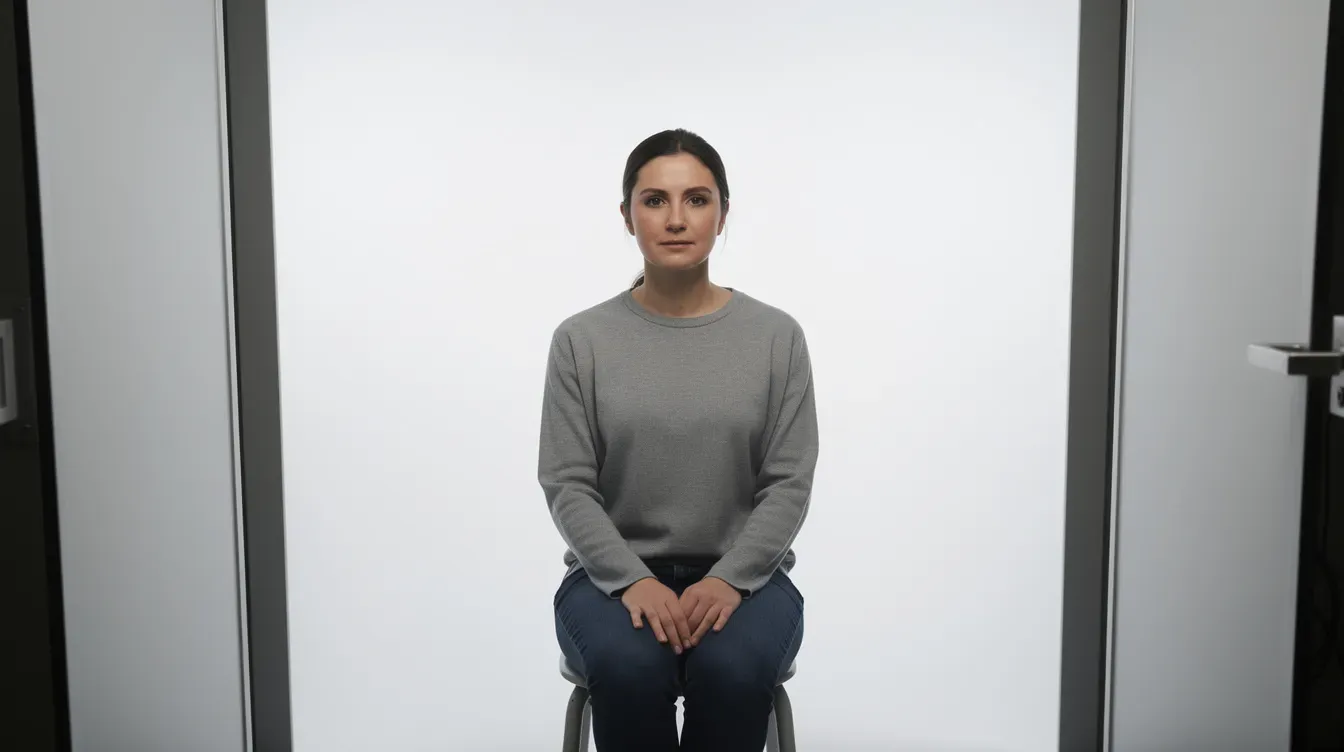
Passport photo requirements
Colour photo on a plain light background, facing the camera with a neutral expression, eyes open, and no shadows or red-eye.
Head coverings are only permitted for religious or medical treatment reasons, and must leave the full face visible from chin to forehead.
For the online application, digital photographs can be uploaded for online applications, meeting GOV.UK's pixel size, file size, and composition standards.
For a paper application, two identical printed photos are required, taken within the last month, on high-quality photo paper.
Professional photo booths or specialist services can help ensure compliance and reduce the risk of rejection.
Who can confirm your identity (referees and countersignatories)
A referee or countersignatory confirms that you are who you say you are and that the photo is a true likeness of you. Here are the core rules:
Referees must be British citizens aged 18 or over.
Referees must hold a current uk passport (a valid passport that has not expired).
Referees must have known the applicant for at least two years.
Referees cannot be related to the applicant by birth or marriage, in a romantic relationship with the applicant, living at the same address, or employed by hm passport office or UK Visas and Immigration.
Referees must confirm the applicant's photograph is a true likeness.
How the process works:
Online confirmers receive an email with a secure link and answer questions to confirm your identity online.
Paper countersignatories sign section 10 of the form and endorse one passport photo with the specified wording on the back.
Providing false information as a referee can lead to serious legal consequences, including criminal prosecution.
Section G: Supporting documents for a first British passport
Original, high-quality documents are essential to prove citizenship, identity, and any name changes. Original documents must be provided for passport applications. Missing or inconsistent documents are one of the most common reasons for delays. Photocopies of documents are not accepted for applications. Original documents proving nationality are needed for the application.
Which documents you need will vary depending on how you became a British citizen and your personal circumstances.
Core documents to prove citizenship and identity
British citizen by birth in the UK: full birth certificate showing parents' details, plus evidence of a parent's British citizenship or settled status at the time (their passport, home office status letter, or naturalisation certificate).
British citizen by naturalisation or registration: original certificate of naturalisation or registration, plus your existing non british passport and biometric residence permit if still held.
All applicants should also provide documents establishing current identity, such as any existing passport (British or non-British), UK driving licence, and official documents showing your current address where requested.
For applicants born abroad: parental passports, foreign birth certificates, and marriage certificates may also be requested. You may need to send original documents in these cases.
Evidence for name changes and special circumstances
If the name on the application does not match the name on the birth certificate or citizenship certificate, hm passport office will expect formal proof of each change. Name change evidence is required if names differ on documents.
Common evidence includes: marriage or civil partnership certificate, decree absolute or final order for divorce, enrolled or unenrolled deed poll, statutory declaration, adoption order (adoption certificate), or gender recognition certificate. A civil partnership certificate is needed where relevant.
Where names differ across multiple documents (different spellings, missing middle names), include a signed letter of explanation and, where possible, older passports or official letters as evidence.
Failing to provide full name-change evidence is a frequent cause of lengthy delays.
Section H: Application fees, processing times and tracking
Costs and timescales change periodically, so always check GOV.UK for the latest figures before you apply. First-time adult applications typically take longer than straightforward renewal applications and may involve more detailed identity checks or an interview.
Fast-track and premium services are generally aimed at renewals or replacements and are either unavailable or very limited for first adult passport applicants. Apply well before any planned travel. You can track your application status online, and you will receive email or text updates if you provide contact details.
Current adult passport application fees (overview)
Online adult standard passport: £88.50. Paper adult standard passport: £100. The application fee for a british passport is £102 in some specific service categories - always confirm on GOV.UK.
A child's passport application costs £66.50 online, and a paper application for a child's passport costs £80.
Additional costs may arise from post office Check and Send services, secure delivery options, or overseas applications (which carry an additional fee).
The application fee is payable in full at the time of application - pay by debit or credit card online, or use the payment method specified in the paper booklet.
Passport application fees are non-refundable if refused, so check eligibility and documentation before you start.
How long does a first adult passport application take?
HM passport office aims to process most standard UK applications within about 3 weeks from receiving all documents, but first-time adult cases often take longer due to additional identity and security checks. Processing times may increase during peak periods.
Delays often occur due to missing or incorrect documents, unclear nationality or identity, name discrepancies, slow responses from referees, and the need for an identity interview. Interviews can extend overall processing times.
Do not book non-refundable travel or tickets until you have received your passport. Processing times are not guaranteed.
Applications made from outside the UK can take longer. Overseas applicants should allow extra time and budget for different processing times that vary depending on the country.
Section I: Passport interviews, checks and common problems
First-time adult british passport applicants are more likely than renewals to be invited to an identity interview or face additional checks. This is normal and not necessarily a sign of wrongdoing. You may need to attend an interview for the passport application.
Interviews are used to confirm identity and reduce fraud risk. They may be conducted remotely (video call) or in person at a regional office, depending on current passport office policy.
Typical triggers for extra checks include complex nationality routes, inconsistent documents, multiple name changes, limited previous official records in the UK, or gaps in documentation.
Respond promptly to any hm passport office requests for information or attendance to avoid further delays. You will be contacted with the date and format of the interview.

What happens if your application is delayed, refused or your passport is cancelled?
Delays often arise when hm passport office is waiting for additional documents, verifying information with other government departments, or arranging an interview. Applications can be delayed due to missing or incorrect documents.
Refusal can occur if entitlement to british nationality is not proven, identity cannot be confirmed, false or misleading information can lead to application refusal, or there are legal restrictions on travel (including bail conditions or court orders).
Unresolved identity concerns may cause a passport application to be refused.
Refusal or cancellation of a passport does not usually remove british citizenship itself, but prevents the person from using that passport to travel.
Read any refusal or cancellation letter carefully, correct any issues, gather more evidence if needed, and consider specialist legal advice for complex cases before reapplying. Individual circumstances and immigration rules may affect next steps.
Section J: Special situations – dual nationals, overseas applicants and children
Some first adult applicants also hold a non british passport, live outside the UK, or are transitioning from a child passport at age 16 or 17. Dual citizenship is permitted in the UK - you do not need to give up another nationality to hold a british passport.
Dual nationals should ensure that the name, date of birth, and gender on their non-British passport match the details used in their british passport application, or provide formal evidence of any differences.
Overseas applications follow similar principles but may require sending documents to different processing centres, paying higher fees, and allowing for longer processing times.
Those aged 16 or 17 apply for a first adult passport even if they previously held a child passport. An adult passport is normally valid for 10 years.
First passport for a child vs first adult passport
Applying for a first british passport for a child (under 16) differs from an adult application. Child passports are valid for 5 years, require evidence of parental responsibility, and may involve slightly different referee rules. Children under 16 must have their own passport.
Once a young person turns 16 (or will turn 16 within a few weeks), they apply for a first adult passport rather than renewing a child passport.
Fees, documents, and processing times for child passports are different. A child's passport application costs £66.50 online, and a paper application for a child's passport costs £80. Parents should check the latest child application guidance on GOV.UK separately.
Section K: Frequently asked questions – first British adult passport
Here are answers to the most common queries about the application process:
Can I apply for a british passport if my citizenship application is still pending? No. You must have been granted citizenship and hold your certificate in hand. Submitting a passport application before this will result in refusal and loss of the fee.
Do I have to attend an identity interview? Not always, but it is common for first-time adult applicants. If hm passport office considers it necessary, you will be contacted. Interviews are now often conducted online.
Can I travel while my application is being processed? No, you cannot travel on a passport that has been sent in or that has not yet been issued. Booking travel before your passport arrives is risky.
What if I only have a digital birth certificate? Officially printed certificates are normally required. Digital copies alone are usually not accepted unless they can be certified. Foreign documents must have certified translations.
Do I need to send my current non-British passport? Yes, if requested. HM passport office often asks for foreign passports used to enter the UK, whether current or expired. You may be required to send original documents.
Can I apply if I need a passport urgently? Fast-track and premium services are generally not available for first adult passport applications. Apply well ahead of any travel. If you need a passport urgently for medical treatment or compassionate reasons, contact hm passport office directly for guidance.
Section L: Conclusion – preparing a successful first British passport application
The path to your first british passport is clear when you follow the right steps: confirm you are a british citizen, gather the correct original documents, choose whether to apply online or apply by post, complete the application form accurately, supply compliant photos, and respond promptly to any hm passport office requests.
Most first-time adult applications succeed when applicants understand the requirements and submit complete, truthful information backed by strong evidence. A british passport is a powerful document confirming your identity and nationality - the application should be treated as a formal legal process rather than a simple service request.
Apply well in advance of any planned travel, and always double-check GOV.UK for the latest immigration rules, application fee levels, and processing time estimates before starting your british passport application. A complete, honest application is the fastest route to holding your first UK passport.